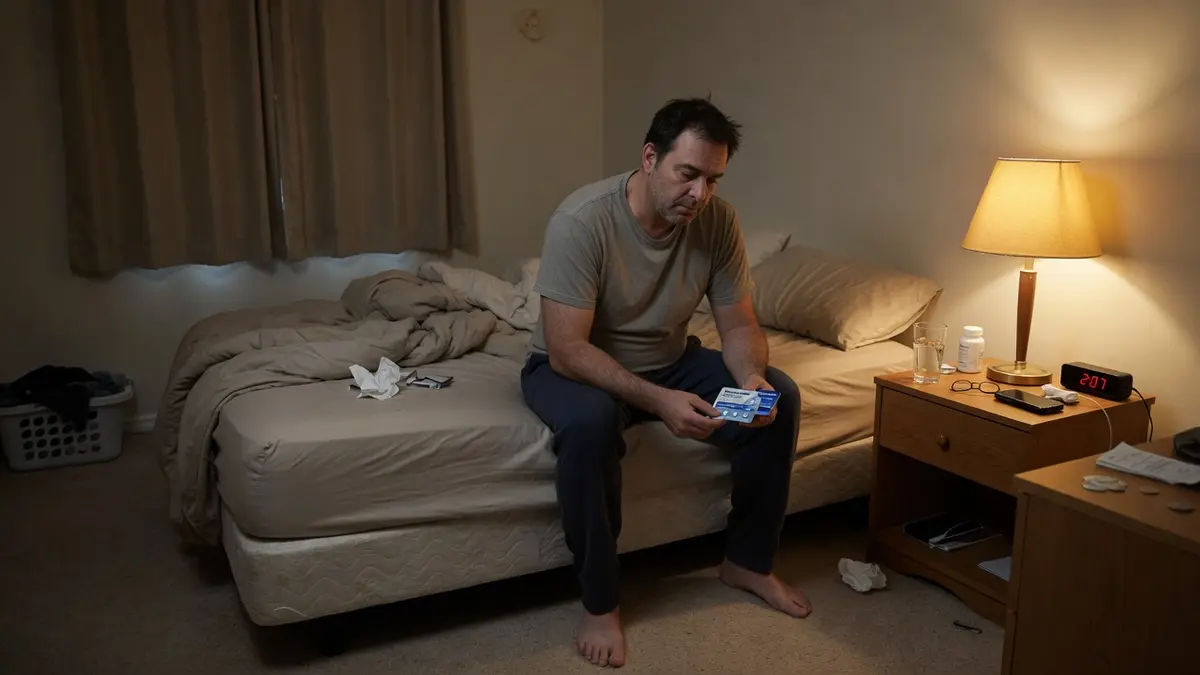

You finally crawl into bed after a long day, only to find your mind wide awake. You check the clock — 11:23 p.m., 12:07 a.m., 12:52 a.m. — and the frustration builds. Or maybe you do fall asleep, but wake up at 3 a.m. and can’t drift back off.
Sound familiar? You’re not alone. According to the Centers for Disease Control and Prevention (CDC), about 1 in 3 adults in the U.S. doesn’t get enough sleep on a regular basis. That means millions of us are walking around tired, cranky, and relying on caffeine to function.
But here’s the good news: better sleep isn’t about luck — it’s about habits. The term for those habits is sleep hygiene — a set of simple, evidence-based practices that help your body fall asleep more easily and stay asleep through the night.
Let’s break down what that means, why it works, and how to build a bedtime routine that actually sticks.
More Helpful Reads You Might Like:
What Is Sleep Hygiene?
Think of sleep hygiene as the daily care routine for your sleep. Just like brushing your teeth keeps your mouth healthy, good sleep habits keep your brain and body rested.
Sleep hygiene includes everything that affects sleep quality — your schedule, bedtime routine, environment, and even daytime habits. It’s not about perfection or strict rules; it’s about creating the conditions your body needs to switch from “on” to “off.”
The Science Behind Falling Asleep
To understand why these habits work, it helps to know a little bit about how sleep happens.
Your body runs on an internal clock called the circadian rhythm, which uses light, temperature, and hormones to tell you when to be alert or sleepy. When it gets dark, your brain releases melatonin, a hormone that signals it’s time to rest.
Meanwhile, another process called sleep pressure builds up the longer you’re awake — kind of like a growing hunger for sleep. When your circadian rhythm and sleep pressure align, you drift off easily.
The problem? Modern life — with late-night screens, irregular schedules, and stress — confuses those signals. Good sleep hygiene helps reset that balance so your body and brain work with you, not against you.
How to Fall Asleep Faster
If you’re lying awake at night, try these evidence-based strategies:
1. Keep a consistent sleep schedule
Go to bed and wake up at the same time every day — even on weekends. This trains your internal clock, making it easier to fall asleep naturally. It might take a week or two, but consistency is key.
2. Create a relaxing bedtime routine
Spend 30–60 minutes winding down. Try reading, stretching, journaling, or listening to calming music. This helps your brain shift gears from “day mode” to “sleep mode.”
Avoid doom-scrolling or checking emails — blue light from screens delays melatonin release, and stressful content spikes alertness right when you’re trying to relax.
3. Watch your evening light exposure
Dim the lights an hour before bed. Light, especially from phones or TVs, tells your brain it’s still daytime. If you use devices, try “night mode” or blue-light filters.
4. Be mindful of caffeine and alcohol
Caffeine can linger in your system for up to 8 hours, so avoid it after 2 p.m. Alcohol may make you sleepy at first but disrupts your sleep cycle later in the night, leading to more awakenings.
5. Cool, dark, and quiet wins
Your body temperature drops slightly to fall asleep, so a cooler bedroom (around 65–68°F) can help. Blackout curtains, white noise machines, or an eye mask can make a huge difference.
How to Stay Asleep Longer
Falling asleep is half the battle — staying asleep can be even trickier. Here’s how to minimize those 3 a.m. wake-ups:
1. Limit late-night snacks and heavy dinners
Eating large or spicy meals close to bedtime can cause discomfort or heartburn, which interrupts sleep. If you’re hungry, go for something light like yogurt or a banana.
2. Manage stress before bed
If racing thoughts keep you up, try a simple breathing exercise or mindfulness meditation. The Harvard Medical School notes that relaxation techniques can reduce nighttime awakenings and improve overall sleep quality.
3. Get daylight early and often
Exposure to natural sunlight in the morning helps regulate your circadian rhythm. Try stepping outside for 10–15 minutes after waking up — it helps your body know when to produce melatonin later that night.
4. Move your body — but not too late
Regular physical activity is one of the best ways to improve sleep quality, according to the National Institutes of Health (NIH). Aim for at least 30 minutes of moderate exercise most days, but finish workouts at least 2–3 hours before bed.
5. Avoid “clock-watching”
When you wake up at night, resist checking the time. Clock-watching increases stress and keeps your brain active. If you can’t fall back asleep after 20 minutes, get up, do something calm in dim light, and return to bed when you feel sleepy again.
Bonus Tips: Healthy Habits for Better Sleep Quality
- Keep naps short and early. A 20–30 minute nap before 3 p.m. can recharge you without messing up your nighttime sleep.
- Reserve your bed for sleep and intimacy only. This helps your brain associate bed with rest — not scrolling or work.
- Stay hydrated, but time it right. Drink water throughout the day, but cut back an hour before bed to avoid bathroom trips at night.
- Address underlying issues. Chronic insomnia, sleep apnea, or restless leg syndrome may need medical evaluation. Don’t hesitate to discuss persistent sleep problems with your healthcare provider.
How Long Does It Take to See Results?
If you’ve been sleeping poorly for a while, your body may need time to adjust. Most people notice improvements within two to three weeks of consistent sleep hygiene practices.
Remember, small steps matter — even something as simple as turning off your phone earlier or dimming the lights before bed can make a big difference over time.
The Takeaway
Good sleep isn’t a luxury — it’s a pillar of health, just like nutrition and exercise. Practicing healthy sleep hygiene helps your brain recharge, your immune system strengthen, and your mood and focus stay sharp.
So tonight, give yourself permission to slow down. Put away the screens, dim the lights, and create a bedtime ritual that feels peaceful. Your body already knows how to sleep — it just needs the right environment and routine to do it naturally.
Medical Disclaimer: This content is for educational purposes only and does not replace professional medical advice, diagnosis, or treatment. Always consult your physician or a qualified healthcare provider with any questions about a medical condition.
References
- Centers for Disease Control and Prevention (CDC). About Sleep
https://www.cdc.gov/sleep/about/index.html - National Institutes of Health (NIH). Healthy Sleep Habits: Get the Sleep You Need.
https://www.nhlbi.nih.gov/health/sleep-deprivation - Harvard Medical School. Relaxation Techniques for Better Sleep.
https://www.health.harvard.edu/mind-and-mood/relaxation-techniques-to-help-you-sleep - Mayo Clinic. Sleep Tips: 6 Steps to Better Sleep.
https://www.mayoclinic.org/healthy-lifestyle/adult-health/in-depth/sleep/art-20048379 - Cleveland Clinic. Sleep Hygiene: Habits to Help You Sleep Better.
https://health.clevelandclinic.org/sleep-hygiene