Lipedema treatment can feel confusing, especially when so much advice online promises quick fixes that rarely deliver real results. For many people, the frustration begins when diet and exercise don’t seem to change the shape of the legs or reduce discomfort.
That’s because lipedema is not simply a weight issue. It’s a chronic condition involving abnormal fat distribution, most often in the legs and sometimes the arms, that can lead to pain, swelling, and easy bruising.
Understanding what actually works for lipedema treatment—and what doesn’t—can make a meaningful difference in daily comfort and long-term health.
What Is Lipedema—and Why Treatment Matters
Lipedema is a condition that primarily affects women and tends to develop during hormonal shifts such as puberty, pregnancy, or menopause. It involves a buildup of fat tissue that behaves differently from typical body fat.
Unlike general weight gain, this tissue often:
- Feels tender or painful
- Bruises easily
- Does not respond well to calorie restriction
Over time, untreated lipedema may affect mobility, posture, and quality of life. In some cases, it can progress and overlap with lymphatic issues, making symptoms more complex.
Why Lipedema Treatment Is Often Misunderstood
Why Diet and Weight Loss Alone May Not Work
One of the most common misconceptions is that lipedema can be reversed with weight loss alone. While maintaining a healthy weight can support overall health, many individuals notice that the affected areas remain largely unchanged.
This happens because lipedema fat is biologically different and may be more resistant to traditional weight-loss approaches.
The Difference Between Lipedema and Regular Fat
Lipedema fat tends to be symmetrical and concentrated in specific areas, often sparing the hands and feet. This pattern can help distinguish it from other conditions like obesity or lymphedema.
Recognizing this difference is essential, because it directly impacts how lipedema treatment should be approached.
More Helpful Reads You Might Like:
5 Evidence-Based Lipedema Treatment Options
Effective lipedema treatment usually combines multiple strategies rather than relying on a single solution.
1. Compression Therapy for Daily Symptom Relief
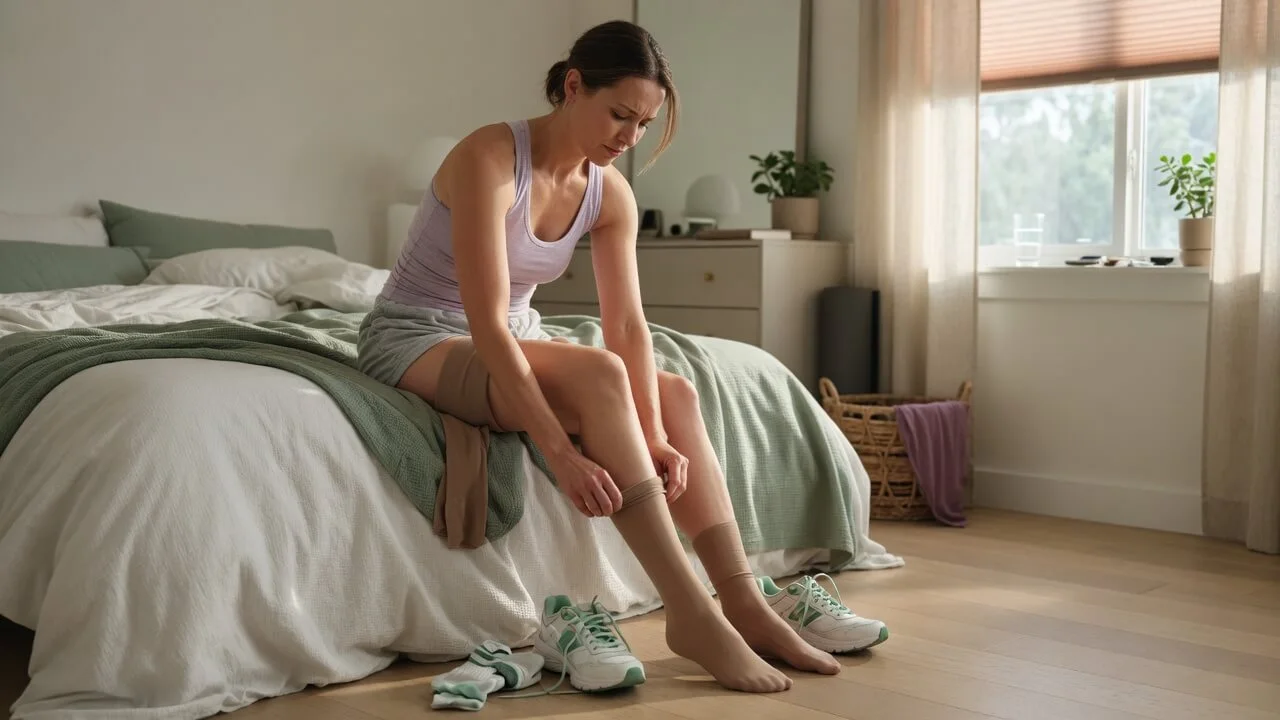
Compression garments are one of the most widely recommended tools in lipedema treatment. They may help reduce discomfort, improve circulation, and limit fluid buildup.
Some individuals notice less heaviness and fatigue in the legs when using compression consistently.
2. Exercise That Supports Lymphatic Flow
Low-impact movement plays an important role. Activities like walking, swimming, and cycling can help support circulation and reduce stiffness.
Water-based exercise may be especially helpful because it combines movement with gentle compression.
3. Nutrition Strategies That May Reduce Symptoms
There is no single “lipedema diet,” but some eating patterns may help reduce inflammation and improve energy levels.
Approaches often focus on:
- Whole, minimally processed foods
- Balanced blood sugar levels
- Adequate hydration
Responses vary, and no dietary approach has been proven to cure lipedema.
4. Manual Lymphatic Drainage and Physical Therapy
Manual lymphatic drainage is a specialized massage technique that may help reduce swelling in some individuals, particularly when fluid retention is present.
Physical therapy can also support mobility, posture, and pain management.
5. Lipedema Surgery Options (When to Consider Them)
In certain cases, lipedema treatment may include surgery, most commonly specialized liposuction techniques designed to preserve lymphatic structures.
This option is typically considered when:
- Symptoms significantly affect quality of life
- Conservative treatments are not enough
- A qualified specialist is involved
Even after surgery, ongoing care is often still needed.
Can Lipedema Be Cured? What Science Actually Says
At this time, there is no definitive cure for lipedema.
However, that does not mean nothing can be done. Many people experience meaningful improvement in pain, mobility, and daily function with the right combination of treatments.
The goal of lipedema treatment is usually to:
- Reduce symptoms
- Slow progression
- Improve quality of life
When Symptoms May Signal Progression or Complications
Signs of Worsening Lipedema
Some signs may suggest that lipedema is progressing:
- Increasing pain or sensitivity
- Reduced mobility
- More noticeable swelling
When to Seek Medical Evaluation
Medical evaluation is important if symptoms begin to interfere with daily activities, or if there are concerns about overlapping conditions such as lymphedema.
Early guidance can help prevent complications and improve long-term outcomes.
How to Build a Realistic Lipedema Treatment Plan
Daily Habits That Make a Difference
Consistency often matters more than intensity. Small daily actions can add up over time:
- Wearing compression regularly
- Staying physically active
- Prioritizing recovery and rest
Why a Multidisciplinary Approach Matters
Lipedema treatment often works best when multiple professionals are involved, such as physicians, physical therapists, and nutrition specialists.
This kind of coordinated care can help tailor strategies to individual needs.
The Bottom Line
Lipedema treatment is not about quick fixes or one-size-fits-all solutions. It’s about understanding how the condition works and building a plan that supports the body over time.
Compression, movement, supportive nutrition, and—when appropriate—surgical options can all play a role.
For many individuals, the most meaningful progress comes from combining these approaches in a way that fits real life.
Medical Disclaimer
This content is for educational purposes only and does not replace professional medical advice, diagnosis, or treatment. Always consult your physician or a qualified healthcare provider with any questions about a medical condition.
Sources & Further Reading
Sources & Further Reading
- National Library of Medicine (NIH) — Lipedema: Overview and Management
https://www.ncbi.nlm.nih.gov/books/NBK573066/ - Cleveland Clinic — Lipedema: Symptoms & Treatment
https://my.clevelandclinic.org/health/diseases/17175-lipedema - Lipedema Foundation — Treatment and Management Overview
https://www.lipedema.org/treating-lipedema - PubMed — Lipedema: Diagnostic and Management Challenges
https://pubmed.ncbi.nlm.nih.gov/38558609/ - PubMed — Nutritional Interventions in Lipedema: A Systematic Review
https://pubmed.ncbi.nlm.nih.gov/41288228/