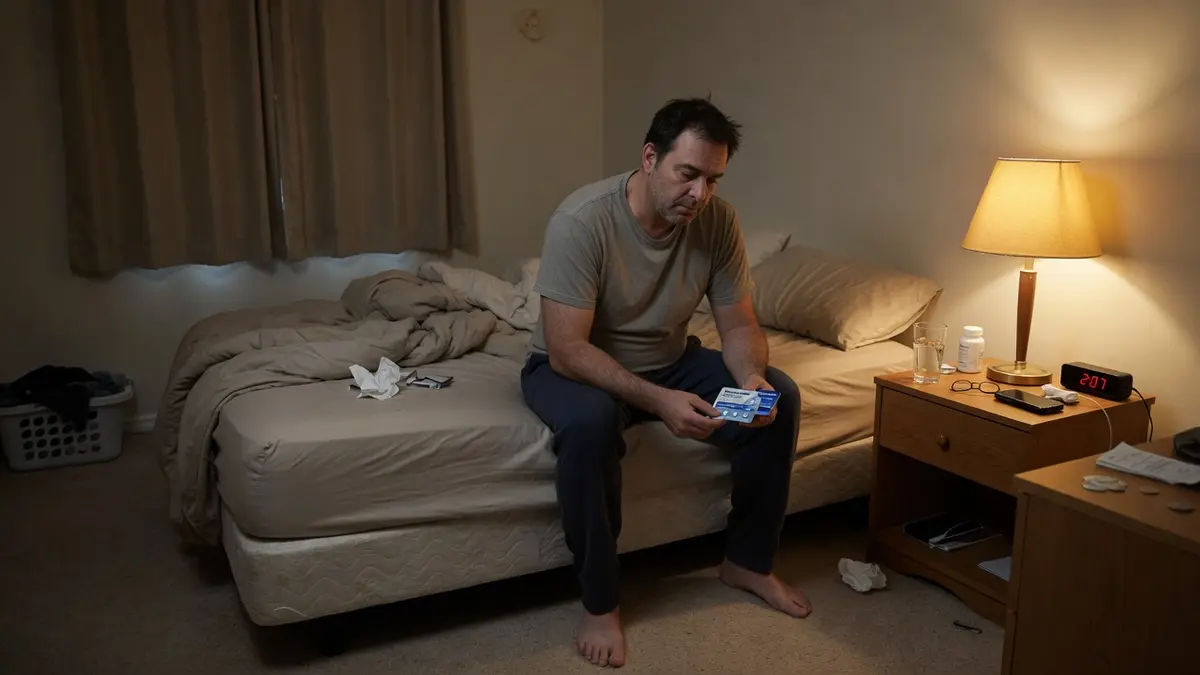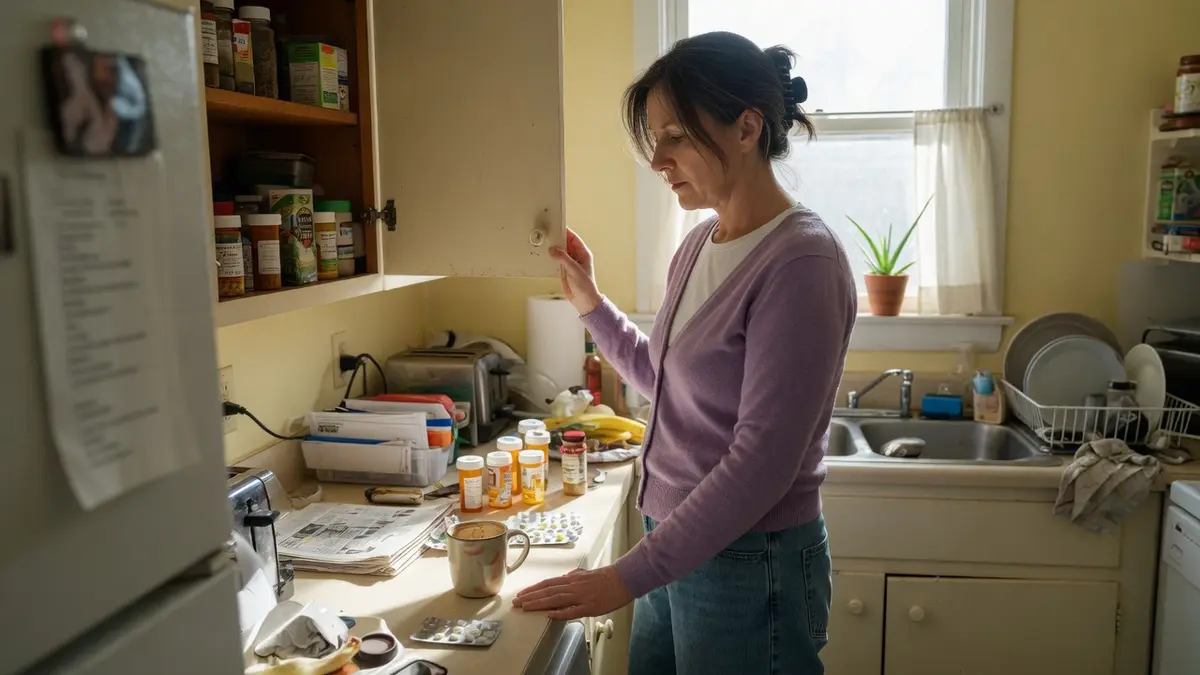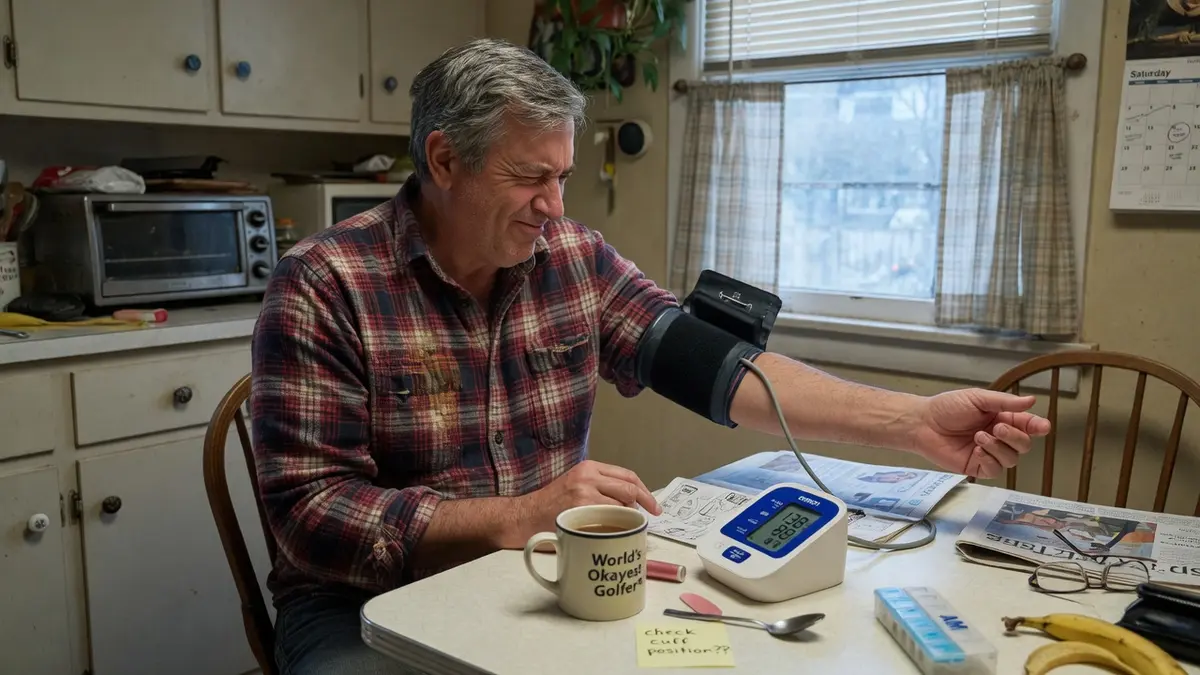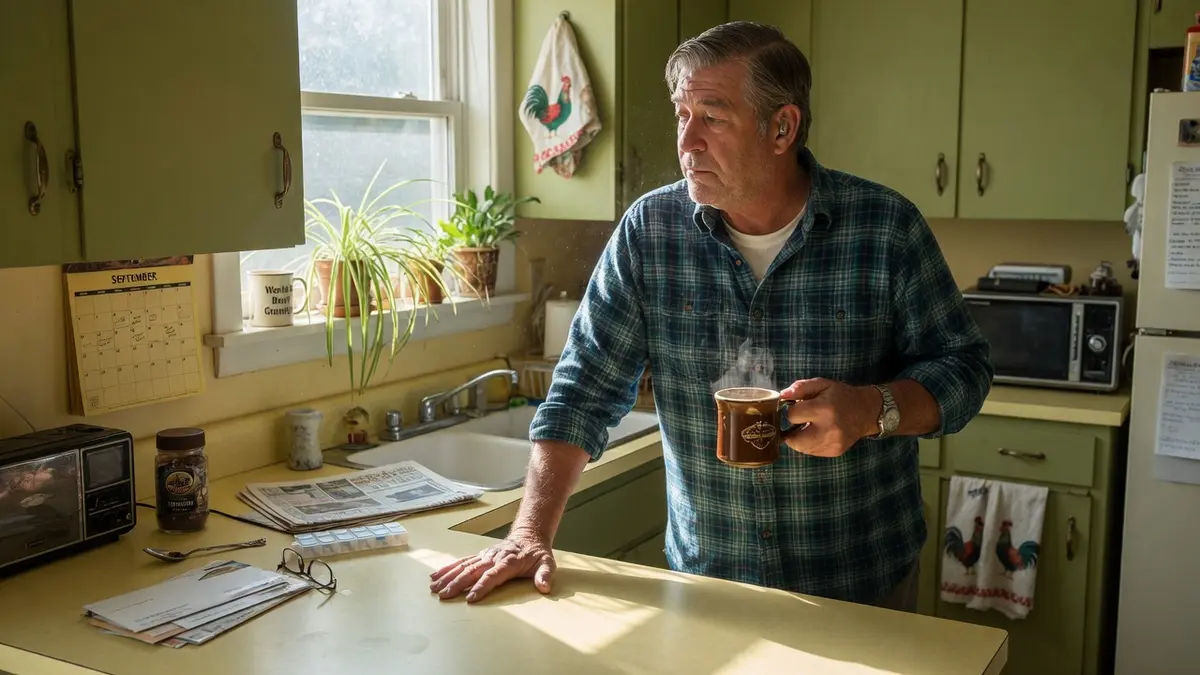
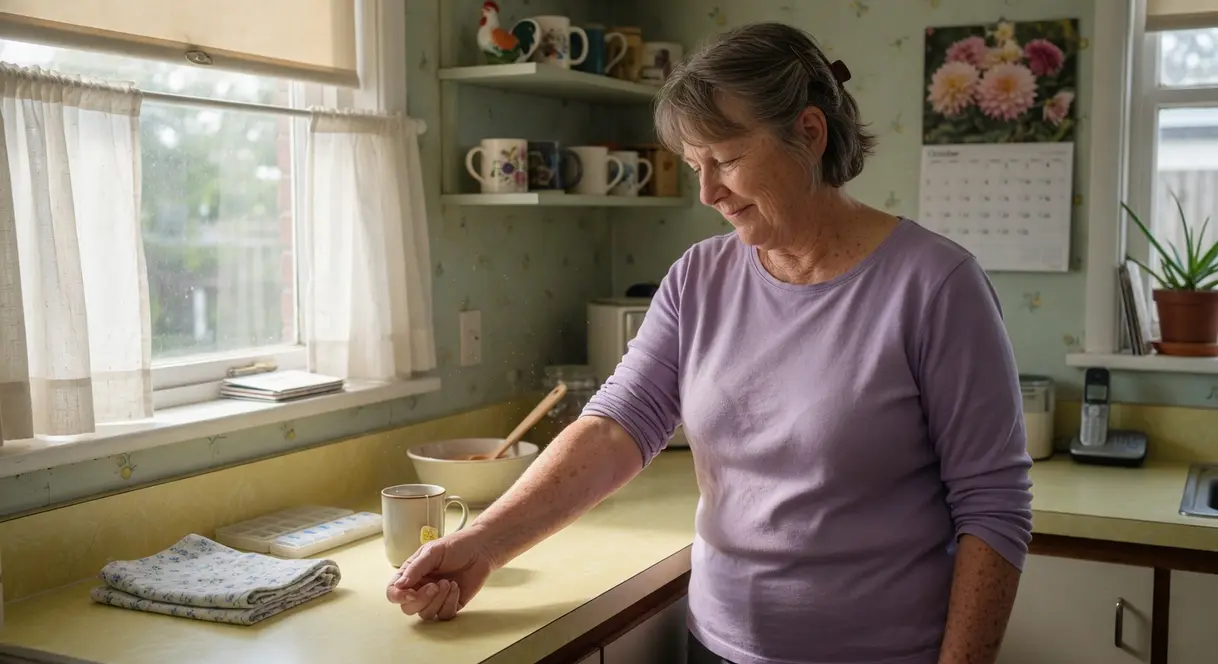
Pull on a long-sleeved shirt that fit fine two winters ago, and suddenly the cuffs swallow your wrists. Or you catch a side view in the mirror and notice your calves look narrower, almost boyish. That quiet shrinking of the arms and legs is one of the more disorienting parts of getting older — partly because it can happen even when your weight on the scale hasn’t budged much.
If you’ve been asking yourself why are my arms and legs getting thinner with age, the short answer is that muscle tissue is being lost faster than it’s being replaced. The longer answer involves hormones, nerves, nutrition, and how much you’re actually using those limbs day to day. The good news: a lot of it responds to the right kind of effort.
What’s actually shrinking
The thinning you see isn’t usually about loss of bone or skin. It’s muscle. Starting somewhere in the 30s, adults lose roughly 3 to 8 percent of their muscle mass per decade, and the rate accelerates after 60. The medical term for this age-related muscle loss is sarcopenia — from the Greek for “poverty of flesh,” which is a bleak but accurate description.
Sarcopenia tends to hit the limbs harder than the trunk. The quadriceps in the thighs, the calves, and the muscles of the upper arm and shoulder are especially vulnerable. That’s why pants start to look loose around the thigh and watchbands need an extra notch, even when the belly stays the same or grows a little.
Common sarcopenia symptoms
Visible thinning is one sign, but it usually comes with others. People losing muscle in arms and legs often notice:
- Difficulty opening jars or carrying grocery bags up stairs
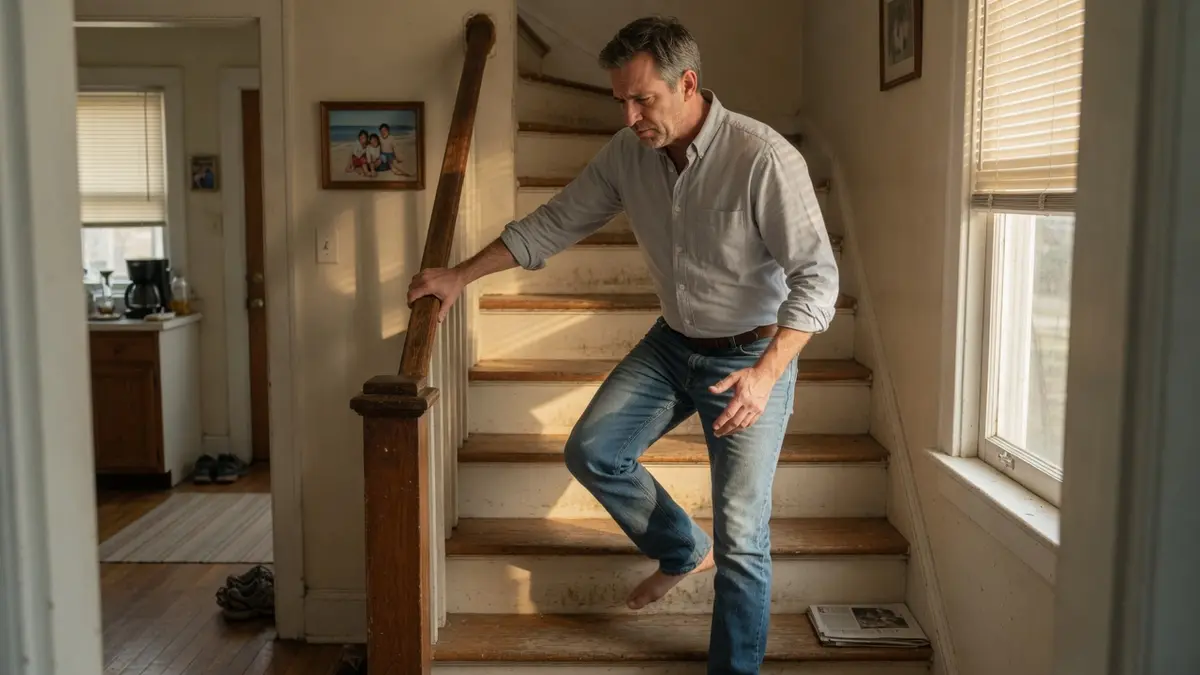
- Getting up from a low chair or the toilet feels harder than it used to
- Slower walking pace, especially when crossing a street on a timer
- More frequent stumbles, or a sense of being unsteady on uneven ground
- Clothes fitting differently on the limbs even when weight is stable
None of these mean disaster. But taken together, they’re worth paying attention to, because muscle is closely tied to balance, metabolism, and the ability to recover from illness or surgery.
Why muscle loss after 50 picks up speed
Several things shift at once, which is part of what makes this so frustrating.
Hormones decline. Testosterone in men drops gradually from the 30s onward. Estrogen falls sharply at menopause. Growth hormone and IGF-1, both of which help build and maintain muscle, taper off too. These changes make it harder to add muscle and easier to lose it.
Nerves disconnect from muscle fibers. Each motor nerve normally controls a group of muscle fibers. With age, some of those nerves die off, and the fibers they used to control either get adopted by neighboring nerves or wither away. The fast-twitch fibers — the ones responsible for power and quick movements — are lost first. That’s part of why older adults often feel they’ve lost “snap” before they’ve lost endurance.
Protein doesn’t go as far. Older muscle is less responsive to dietary protein, a phenomenon researchers call anabolic resistance. The same steak that built muscle at 30 produces a smaller signal at 70.
Activity drops, often quietly. Retirement, sore knees, a fall, a few weeks recovering from pneumonia — any of these can cut daily movement in half. Muscle responds to demand, and when the demand disappears, the tissue follows.
Chronic illness and medications. Conditions like heart failure, COPD, kidney disease, cancer, and uncontrolled diabetes can accelerate muscle wasting. Certain medications, including long-term steroids, can do the same.
More Helpful Reads You Might Like:
- 7 Proven Ways to Increase Testosterone Naturally
- Peptides for Skin Longevity: How They Really Support Aging Skin
- How to Prevent Kidney Stones: 7 Proven Strategies That Work
When skinny arms and legs in older adults warrant a closer look
Gradual thinning over years is typical. Rapid thinning isn’t. A few patterns suggest something more than ordinary aging:
- Losing 5 percent or more of body weight over six months without trying
- One limb shrinking noticeably faster than the other — this can point to a nerve or circulation problem
- Muscle weakness paired with numbness, tingling, or burning pain
- Trouble swallowing, slurred speech, or muscle twitching alongside the thinning
- New shortness of breath, persistent cough, night sweats, or appetite loss
- A recent fall, fracture, or hospitalization that left strength noticeably worse
Those situations deserve a conversation with a clinician, who may check thyroid function, vitamin levels, kidney function, blood sugar, and sometimes order imaging or refer to a neurologist or geriatrician.
How to prevent muscle loss with aging
Two interventions stand out in the research, and they work better together than alone: resistance training and adequate protein. Walking is wonderful for the heart and mood, but it does very little to rebuild muscle that’s already gone.
Resistance training is the closest thing to a fix
Muscles grow when they’re asked to do something slightly harder than they’re used to. That can mean dumbbells, resistance bands, weight machines, body-weight exercises, or carrying heavy household items with intention. Two to three sessions per week, working the major muscle groups — legs, hips, back, chest, shoulders, arms — is what clinical guidelines generally recommend.
The honest answer is that intensity matters more than most people are comfortable with. Lifting a 3-pound dumbbell for 20 reps when your muscles could handle 15 pounds doesn’t do much. The last few repetitions should feel genuinely hard. A trainer who works with older adults, or a physical therapist, can help calibrate this safely, especially if there’s arthritis, a recent injury, or balance concerns.
Progress in older adults can be remarkable. Studies in adults in their 70s and 80s have shown meaningful strength gains within 8 to 12 weeks of consistent training. The tissue still listens.
Protein, spread through the day
Older adults generally need more protein than the standard recommendation of 0.8 grams per kilogram of body weight. Most geriatric nutrition guidelines suggest 1.0 to 1.2 grams per kilogram for healthy older adults, and up to 1.5 for those recovering from illness. For someone weighing 160 pounds (about 73 kg), that’s roughly 75 to 90 grams a day.
Spreading protein across meals seems to matter. Roughly 25 to 30 grams at breakfast, lunch, and dinner — rather than a small breakfast and a huge dinner — gives muscle more frequent building signals. Practical sources include eggs, Greek yogurt, cottage cheese, fish, poultry, lean meat, tofu, lentils, and beans. Whey protein shakes are a reasonable supplement when appetite is small.
The supporting cast
Vitamin D levels affect muscle function, and deficiency is common after 65. A blood test can sort this out. Sleep matters — most muscle repair happens during deep sleep, and chronic short sleep blunts the response to training. Heavy alcohol use accelerates muscle loss. So does sitting for most of the day, even with one good workout sprinkled in.
What this looks like in practice
A reasonable starting point for someone noticing thinner arms and legs: add two short strength sessions a week, even 20 minutes each, focused on squats or sit-to-stands, some kind of pulling and pushing for the upper body, and a loaded carry like walking with a heavy bag. Add a protein source to breakfast if it’s currently toast and coffee. Get vitamin D checked at the next physical.
That’s not glamorous. It’s also more effective than any supplement currently on the market.
Why are my arms and legs getting thinner with age — and what makes the biggest difference
Visible thinning of the limbs after 50 is almost always driven by sarcopenia, accelerated by hormonal shifts, nerve loss, lower protein efficiency, and reduced activity. It’s common, it’s partly preventable, and it’s partly reversible — but not through cardio, diet alone, or wishful thinking. The muscle responds when it’s challenged and fed. A clinician’s input is worth seeking when the thinning is rapid, one-sided, or paired with other symptoms.
Medical Disclaimer: This content is for educational purposes only and does not replace professional medical advice, diagnosis, or treatment. Always consult your physician or a qualified healthcare provider with any questions about a medical condition.
Sources & Further Reading
- NIH News in Health: Slowing Sarcopenia
- NIH StatPearls (NCBI Bookshelf): Sarcopenia
- PMC – NIH: Sarcopenia: Aging-Related Loss of Muscle Mass and Function
- PMC – NIH: Protein Intake and Exercise for Optimal Muscle Function with Aging (ESPEN Expert Group)
- NHLBI – NIH: Peripheral Artery Disease – What Is Peripheral Artery Disease?
- NIA – NIH: Health Benefits of Exercise and Physical Activity