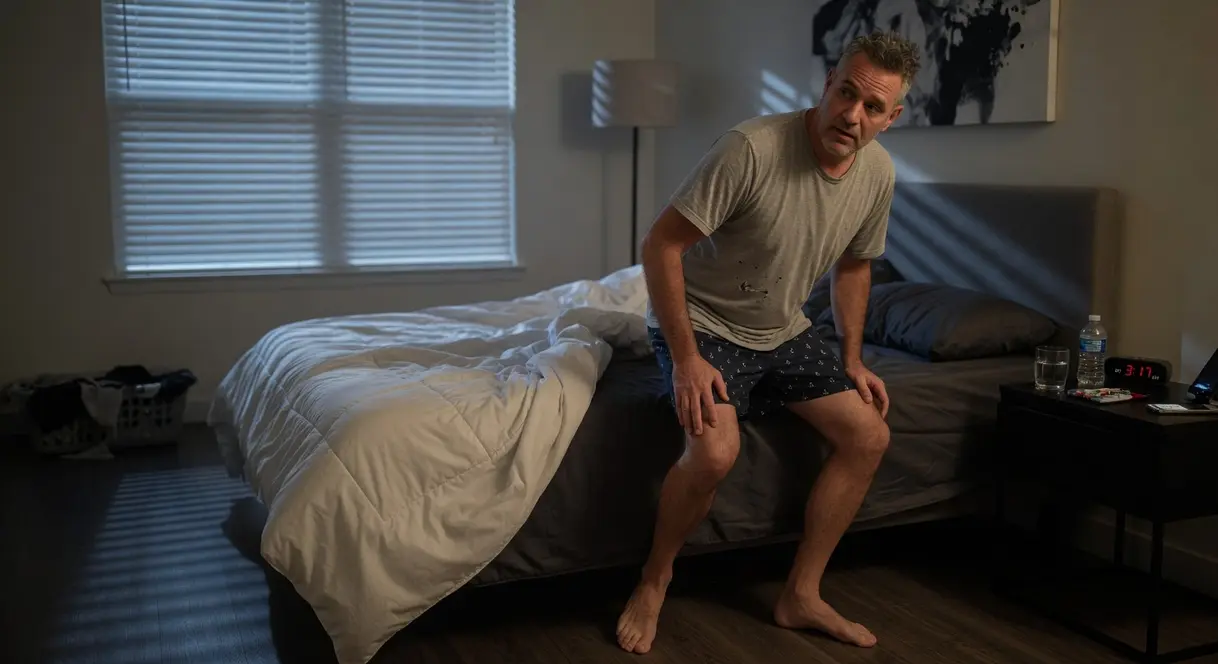
You’re standing at the urinal, waiting. Nothing’s happening. A few seconds pass, then a thin stream finally starts — slower than it used to be, with a stop-and-go quality that wasn’t there five years ago. Then, two hours later, you feel like you need to go again. That cluster of small annoyances is how an enlarged prostate usually announces itself, not with pain or drama, but with a slow shift in how urination feels day to day.
Benign prostatic hyperplasia — BPH, the medical name for a non-cancerous enlarged prostate — is one of the most common conditions in men over 50. The gland sits just below the bladder and wraps around the urethra, the tube that carries urine out of the body. When it grows, it squeezes that tube. Everything downstream of that squeeze starts to feel different. Recognizing enlarged prostate symptoms early matters because the changes tend to creep in gradually, and most men adapt without realizing they’re adapting.
What an enlarged prostate actually feels like
The honest answer is that BPH rarely hurts. It’s more about friction and inconvenience. Men describe it in remarkably similar ways once you ask the right questions: the stream isn’t what it was, the bladder doesn’t seem to empty all the way, and sleep gets interrupted by trips to the bathroom.
Doctors often split the signs of enlarged prostate into two groups. There are obstructive symptoms — the ones caused by a narrowed urethra — and irritative symptoms, which come from a bladder that’s working harder than it should.
Obstructive symptoms
These show up when urine has trouble getting out:
- A weak or slow urine stream. Many men first notice this while standing next to someone else at a urinal, or when the stream no longer reaches as far as it once did. Weak urine stream causes in older men frequently trace back to prostate enlargement, though they’re not the only cause.
- Hesitancy. A pause of several seconds before the stream starts, even when the urge feels strong.
- Straining. Feeling like you have to push or bear down to get things going.
- Intermittent flow. The stream starts, stops, starts again. Some men describe it as “sputtering.”
- Dribbling at the end. A few drops that escape after you think you’re done, sometimes minutes later.
- Incomplete emptying. Walking away from the toilet and still feeling full.
Irritative symptoms
These come from a bladder that’s been pushing against resistance for months or years:
- Frequency. Going more often than feels reasonable — every hour or two during the day.
- Urgency. A sudden, hard-to-postpone need to go, sometimes strong enough that getting to a bathroom in time becomes a small daily worry.
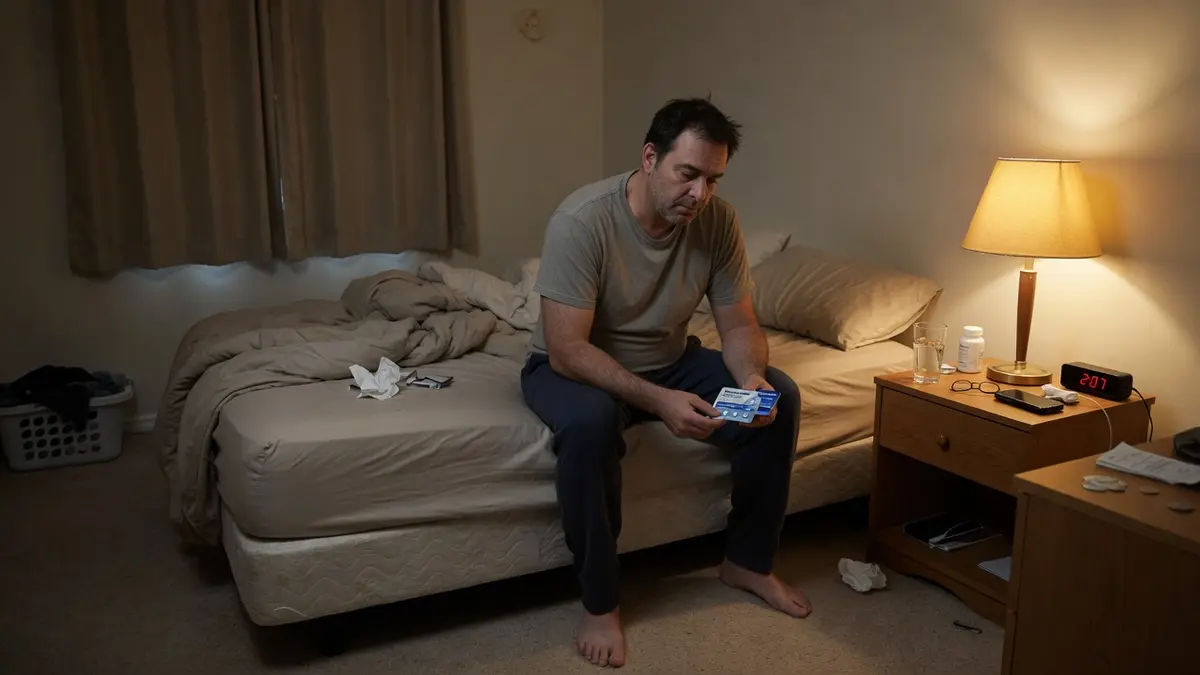
- Frequent urination at night. Known medically as nocturia. Waking once after age 60 is common; waking two, three, or four times is not just a normal part of aging and is one of the most disruptive BPH symptoms in men.
More Helpful Reads You Might Like:
- 7 Signs Your Hair Loss Might Be Caused by Low Iron
- 7 Early Signs Your Kidneys May Not Be Working Properly
- Constipation and Fatigue: What Your Body May Be Trying to Tell You
The symptoms men tend to brush off
Here’s the thing — the symptoms above are well known, but men often dismiss them for years. A few patterns come up again and again in primary care visits.
Mapping bathrooms. If you find yourself scouting restrooms before a road trip, sitting on the aisle at the movies, or skipping that second glass of water at dinner because you know what’ll happen later, that’s a behavioral signal. The body has already adapted to a problem the mind hasn’t named yet.
Sleep that isn’t quite sleep. Waking up two or three times to urinate gets blamed on aging, on drinking water too late, on a restless mind. Sometimes it’s those things. Often it isn’t. Persistent nighttime bathroom trips that weren’t happening a few years ago deserve attention, especially when daytime energy starts to suffer.
The “I just went” feeling. Leaving the bathroom and feeling the urge again within 15 or 20 minutes usually means the bladder didn’t empty. Residual urine — the volume left behind after voiding — can build up quietly and increase the risk of urinary tract infections and bladder stones over time.
Post-void dribbling on underwear. Small wet spots that appear after you’ve zipped up are easy to chalk up to bad luck. They’re a classic BPH sign and worth mentioning to a clinician rather than tolerating.
Avoidance. Cutting back on fluids, avoiding long meetings, declining the second beer — these are quiet workarounds. Workarounds aren’t treatment.
What BPH does not usually feel like
This part matters, because some symptoms point away from a routine enlarged prostate and toward something that needs faster evaluation.
BPH doesn’t typically cause blood in the urine. It doesn’t usually cause sharp pain during urination, fever, or pain in the lower back or pelvis. It doesn’t cause sudden weight loss, bone pain, or erectile dysfunction as a standalone symptom — though urinary symptoms and sexual function can overlap in older men for other reasons.
When any of those show up, the conversation shifts. Infections, kidney stones, bladder problems, and prostate cancer can produce overlapping urinary symptoms, and they need different workups. An enlarged prostate is common; assuming every urinary change comes from BPH is a mistake worth avoiding.
When to see a doctor for prostate symptoms
A reasonable threshold is this: if urinary changes are affecting sleep, daily plans, or quality of life, it’s time for an appointment. There’s no medal for waiting.
Some situations call for faster action. Seek medical care promptly — same day or emergency — for:
- Inability to urinate at all, known as acute urinary retention. This is painful, the bladder feels distended, and it requires immediate treatment.
- Blood in the urine, whether bright red or tea-colored.
- Fever with urinary symptoms, chills, or pain in the lower back or flank, which can suggest infection reaching the kidneys.
- Severe pain in the lower abdomen, groin, or perineum.
- Recurrent urinary tract infections.
For the slower-burning symptoms — the weak stream, the nighttime trips, the dribbling — a regular visit with a primary care doctor or urologist is the right starting point. Evaluation typically involves a symptom questionnaire (often the AUA Symptom Index or IPSS), a urine test, a digital rectal exam, and sometimes a PSA blood test or an ultrasound to measure how much urine the bladder holds after voiding.
Things that can make enlarged prostate symptoms worse
A few everyday factors tend to amplify symptoms even when the underlying anatomy hasn’t changed much:
- Cold and decongestant medications. Pseudoephedrine and phenylephrine tighten the muscle at the bladder neck and can trigger sudden retention in men with BPH. Worth knowing before reaching for a cold remedy.
- Antihistamines, especially older sedating ones like diphenhydramine, which can worsen emptying.
- Caffeine and alcohol, both bladder irritants and diuretics.
- Large fluid intake in the evening, which feeds nighttime urination directly.
- Constipation, which adds pressure in the pelvis and can make symptoms feel worse.
Adjusting these doesn’t cure BPH, but it often takes the edge off enough to make the symptoms easier to live with while a fuller plan is sorted out.
The takeaway on enlarged prostate symptoms
Most men with an enlarged prostate don’t wake up one morning with a dramatic problem. They live with small changes — a weaker stream, an extra trip to the bathroom at 3 a.m., a sense that things aren’t quite finishing — and rearrange life around them. Those quiet adjustments are often the most reliable signs of enlarged prostate worth paying attention to. The condition is highly treatable, ranging from lifestyle adjustments and medications to minimally invasive procedures, and the earlier a clinician sees the pattern, the more options stay on the table.
Medical Disclaimer: This content is for educational purposes only and does not replace professional medical advice, diagnosis, or treatment. Always consult your physician or a qualified healthcare provider with any questions about a medical condition.
Sources & Further Reading
- Mayo Clinic: Benign Prostatic Hyperplasia (BPH) – Symptoms and Causes
- NIDDK (NIH): Enlarged Prostate (Benign Prostatic Hyperplasia)
- Urology Care Foundation: Benign Prostatic Hyperplasia (BPH) – Symptoms, Diagnosis & Treatment
- American Urological Association: Management of Lower Urinary Tract Symptoms Attributed to BPH – AUA Guideline (2026)
- StatPearls – NCBI Bookshelf: Benign Prostatic Hyperplasia
- PubMed: The Role of Nocturia in the Quality of Life of Men with Lower Urinary Tract Symptoms