 Written by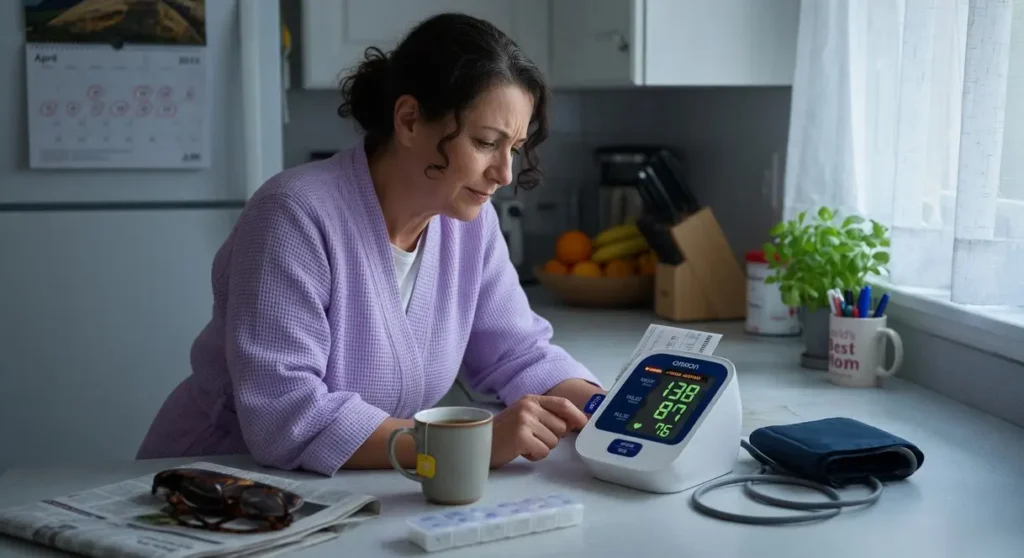
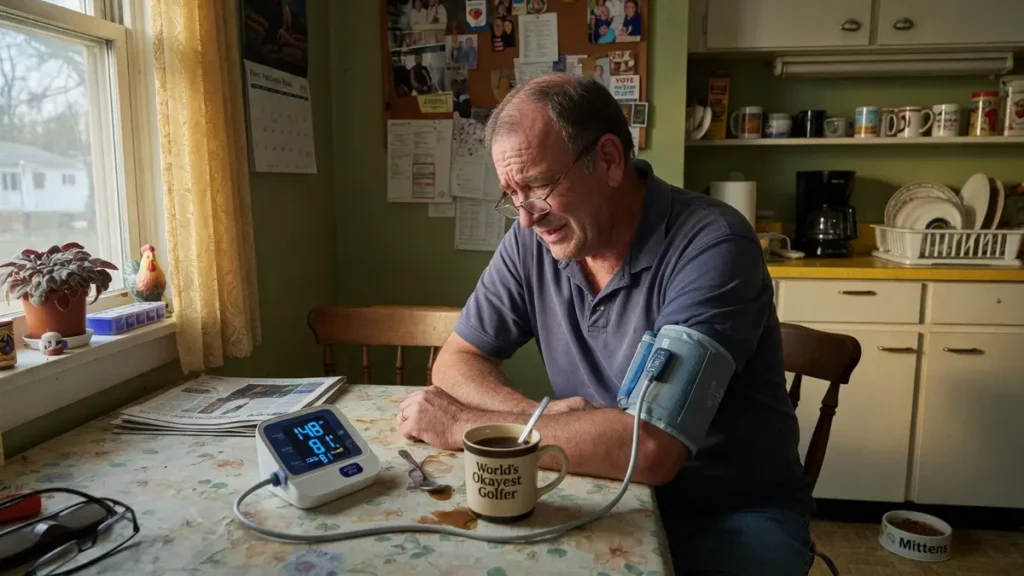
Picture this: someone straps on a drugstore blood pressure cuff after dinner, gets a reading of 152/94, panics, and calls their doctor the next morning. At the clinic, the nurse takes it again — 124/78. So which number is right? And does the home device actually work?
In this article
This scenario plays out in primary care offices constantly, and the answer is more nuanced than most people expect. So, are home blood pressure monitors accurate? The short version: yes, most validated devices are accurate enough to be clinically useful — sometimes more useful than a single in-office reading. But accuracy depends almost entirely on the device you bought and how you’re using it.
How Accurate Are Today’s Home Monitors, Really?
Modern automatic upper-arm cuffs that have been independently validated tend to perform within a few millimeters of mercury (mmHg) of a manual reading taken by a trained clinician. Clinical guidelines have actually shifted over the past decade to favor home and ambulatory monitoring — partly because a single doctor’s office reading can be misleading in both directions.
That “white coat” effect, where blood pressure spikes simply from being in a medical setting, is real. So is its mirror image, called masked hypertension, where readings look fine at the doctor but run high at home. Home monitoring catches both, which is one reason cardiologists increasingly rely on home blood pressure monitor readings to guide treatment decisions.
The catch? Not every device on the shelf has been rigorously tested. Independent validation lists exist — groups like the US Blood Pressure Validated Device Listing and STRIDE BP keep updated registries — and a surprising number of popular monitors aren’t on them. Wrist cuffs, fingertip devices, and most smartwatch-based blood pressure features are generally less reliable than a validated upper-arm cuff, sometimes substantially so.
What “validated” actually means
A validated monitor has been compared against a reference standard in a structured study, usually across a range of arm sizes and blood pressure levels. It’s not a marketing term. If a device’s box brags about being “clinically tested” but the brand doesn’t appear on an independent validation list, that’s a yellow flag.
More Helpful Reads You Might Like:
- Do Healthy Adults Need Heart Screening? What Really Matters
- 7 Uterine Fibroid Treatment Options—With and Without Surgery
Why Blood Pressure Readings Vary at Home
Here’s the thing — blood pressure isn’t a fixed number. It’s a moving target that shifts throughout the day in response to stress, posture, hydration, caffeine, conversation, a full bladder, even the temperature of the room. A 10 to 20 mmHg swing between morning and evening is normal. A swing within a single sitting isn’t unusual either.
That’s part of why blood pressure readings vary at home: the body itself varies. But user technique adds another layer of inconsistency on top of normal physiology, and that’s where most of the trouble starts.
The most common home blood pressure monitor errors
Most inaccurate home readings aren’t the device’s fault. They’re technique problems. The usual suspects:
- Wrong cuff size. A cuff that’s too small inflates more aggressively and can falsely raise systolic readings by 10 mmHg or more. A cuff that’s too large underestimates. Measure the upper arm circumference and match it to the cuff’s labeled range.
- Arm position. The cuff should sit at heart level. Letting the arm dangle or holding it up high can shift the reading by 5 to 10 mmHg in either direction.
- Crossed legs or unsupported back. Both can raise systolic pressure noticeably. Feet flat on the floor, back against a chair.
- Talking during the measurement. Even small conversation can push systolic up by 10 mmHg.
- Recent caffeine, nicotine, exercise, or a full bladder. Any of these can temporarily elevate readings.
- Not resting first. Sitting quietly for five minutes before measuring matters more than people realize.
- Cuff over clothing. A thick sleeve under the cuff distorts pressure transmission.
- Taking only one reading. Single readings are noisy. Two or three readings, a minute apart, averaged together, are far more reliable.
Worth knowing: most people who claim their monitor is “broken” turn out to have a technique issue. Devices do drift over time, but in practice, the human is usually the bigger variable.
How to Get an Accurate Blood Pressure Reading at Home
The protocol that researchers use is straightforward, and it’s the same one any patient can replicate. The goal is to remove as many sources of noise as possible so the number on the screen reflects something close to true resting pressure.
Sit in a chair with back support and feet flat on the floor for five minutes before measuring. No caffeine, exercise, or smoking in the prior 30 minutes. Empty the bladder first. Rest the bare arm on a table so the cuff sits at the level of the heart. Wrap the cuff snugly on the upper arm, about an inch above the elbow crease. Stay quiet. Don’t scroll a phone or watch TV during the measurement.
Take two readings about a minute apart, and if they disagree by more than 5 mmHg, take a third. Record the average. For diagnostic purposes, clinicians often want readings taken twice a day — morning and evening — for about a week, then averaged. A single random reading on a Tuesday afternoon doesn’t tell anyone much.
Home vs doctor blood pressure reading: which is “right”?
This is one of the most common questions in primary care, and the honest answer is that neither one is automatically correct. A properly taken home average over a week tends to predict cardiovascular risk at least as well as office readings — sometimes better, because it captures more of the day-to-day picture.
That said, if home and office numbers consistently disagree by a wide margin, it’s worth bringing the home monitor into a clinic appointment. Most doctors will happily check it against their own equipment to confirm calibration. This takes about two minutes and settles the question fast.
When to Check With a Doctor
Home monitoring is a tool, not a diagnosis. A few situations warrant a conversation with a clinician rather than another round of measurements:
- Consistently elevated readings — for example, averages above 135/85 mmHg over several days
- A sudden, sustained jump in readings without an obvious explanation
- Readings paired with symptoms like chest pain, shortness of breath, severe headache, vision changes, weakness on one side, or confusion (these warrant urgent care, not a follow-up appointment)
- Very low readings accompanied by dizziness or fainting
- Wildly inconsistent numbers despite good technique
A single high reading isn’t an emergency by itself in most people. Patterns matter more than spikes.
Picking a Monitor That Won’t Let You Down
A few practical guidelines when shopping. Choose an automatic upper-arm cuff over a wrist or finger device. Confirm the model is on an independent validation list before buying. Check that the cuff size range fits the intended user’s arm — “standard” cuffs don’t fit everyone, and a mismatched cuff is the single most common source of inaccurate readings at home. Memory functions that store readings, or Bluetooth syncing to an app, make tracking easier but don’t affect accuracy.
Monitors can drift over time, especially after a few years or a drop. Bringing the device to an annual check-up for a side-by-side comparison takes minutes and catches problems early.
So Are Home Blood Pressure Monitors Accurate Enough to Trust?
For a validated upper-arm device used with reasonable technique, yes — accurate enough that major cardiology guidelines now recommend home monitoring as a core part of diagnosing and managing hypertension. The pitfalls aren’t usually the hardware. They’re the small technique details that quietly distort readings, and the assumption that a single number on a single day means something on its own. Buy a validated cuff, follow the protocol, average several readings across a week, and the data the monitor produces is genuinely useful — both for the person tracking it and the clinician interpreting it.
Medical Disclaimer: This content is for educational purposes only and does not replace professional medical advice, diagnosis, or treatment. Always consult your physician or a qualified healthcare provider with any questions about a medical condition.
Sources & Further Reading
How we sourced this article: we rely on peer-reviewed studies, clinical guidelines and public-health agencies (CDC, NIH, AHA, WHO), check every link before publishing, and update articles when the evidence changes. Read our editorial approach.
- PubMed: Reliability of Home Blood Pressure Monitoring: In the Context of Validation and Accuracy
- PubMed: Accuracy of Blood-Pressure Monitors Owned by Patients with Hypertension (ACCU-RATE Study)
- American Heart Association & American Medical Association: Self-Measured Blood Pressure Monitoring at Home — A Joint Policy Statement
- Mayo Clinic: Get the Most Out of Home Blood Pressure Monitoring
- FDA: Do Not Use Unauthorized Devices for Measuring Blood Pressure — FDA Safety Communication
- CDC: Measuring Your Blood Pressure — Self-Measured Blood Pressure Monitoring