 Written by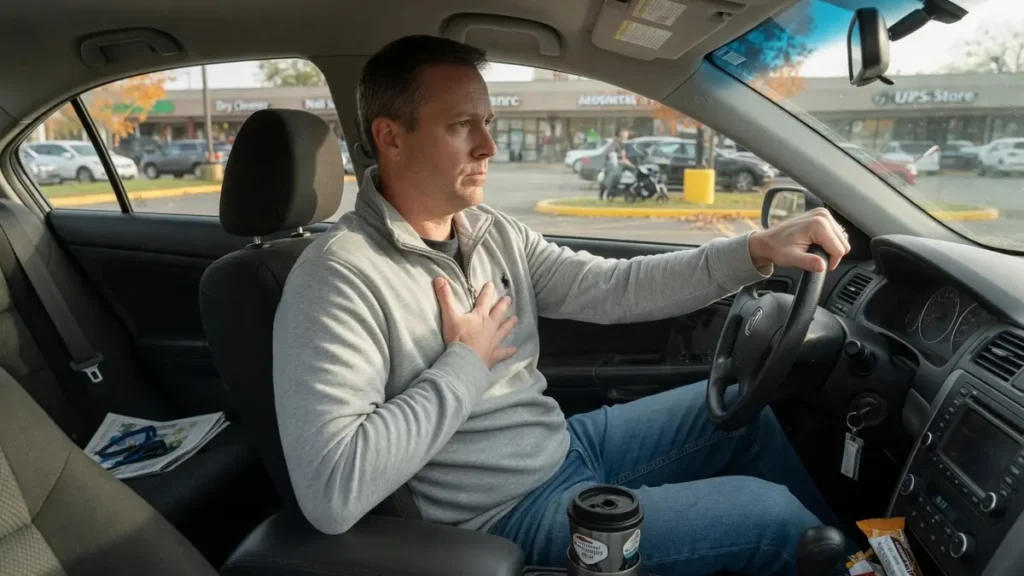
It usually hits when you least expect it. You’re lying in bed, or sitting in a meeting, or stuck in traffic, and suddenly your chest tightens. Your heart starts pounding. Your hands tingle, your breath feels short, and a single thought takes over: Is this a heart attack? Then, twenty minutes later, it passes — and you’re left wondering whether you overreacted or dodged something serious.
In this article
Sorting out anxiety vs heart attack symptoms is genuinely hard, even for doctors, because the two conditions share a lot of the same wiring. Your body responds to panic with the same surge of adrenaline it uses for a real emergency. So the sensations overlap. The honest answer is that no checklist replaces a medical evaluation when something feels truly wrong. But there are patterns worth knowing — features that lean one way or the other and can help you make a calmer, smarter decision in the moment.
Why anxiety and heart problems feel so similar
When you’re anxious, your nervous system floods your body with adrenaline. That’s the same hormone that spikes during a cardiac event. The result is a cluster of symptoms that genuinely mimic heart trouble: a racing or pounding heartbeat (palpitations), chest discomfort, shortness of breath, sweating, dizziness, and a sense of dread.
This is why anxiety symptoms that mimic heart problems send so many people to emergency rooms. And that’s not a failure on anyone’s part. Chest pain is exactly the kind of symptom you should take seriously. The goal isn’t to talk yourself out of getting checked — it’s to understand the clues well enough to respond appropriately.
More Helpful Reads You Might Like:
- Panic Attack vs Anxiety Attack: How to Tell the Difference
- What Is Lipoprotein(a) and Why It Matters for Heart Attack Risk
Telling anxiety vs heart attack symptoms apart
No single feature is definitive. But certain characteristics of chest pain and the surrounding symptoms tend to point in different directions.
How the chest pain feels
The quality and location of chest pain offer some of the most useful clues, though they’re not foolproof.
- More often linked to a heart problem: Pressure, squeezing, heaviness, or a feeling like something is sitting on your chest. The discomfort may spread to the left arm, jaw, neck, back, or shoulder. It often gets worse with physical exertion and eases with rest.
- More often linked to anxiety: Sharp, stabbing, or fleeting pain that’s localized to a small spot. It may worsen when you press on the chest wall or take a deep breath, and it tends to come and go rapidly rather than building steadily.
Here’s the catch: heart-related pain doesn’t always read from the textbook, especially in women, older adults, and people with diabetes. Some cardiac events show up as mild discomfort, nausea, or unusual fatigue rather than crushing chest pain. That’s why exertion matters so much as a clue.
What triggers it and how long it lasts
Timing tells you a lot. If chest discomfort reliably appears when you climb stairs, walk uphill, or push yourself physically — and reliably fades when you stop — that pattern leans cardiac and deserves prompt evaluation. Anxiety-related symptoms, by contrast, often strike at rest, during stress, or seemingly out of nowhere.
Duration helps too. A panic attack typically peaks within about 10 minutes and then gradually winds down, usually resolving within 20 to 30 minutes. Cardiac chest pain that represents a heart attack tends to persist or steadily worsen and won’t reliably calm down on its own.
The accompanying symptoms
When you’re deciding whether your chest pain is anxiety or something more, the company it keeps matters.
- Lean toward anxiety: Tingling in the hands or around the mouth, a feeling of unreality or detachment, a lump in the throat, trembling, and an overwhelming sense of fear that you might lose control. These often follow a stressful trigger and improve as you calm down.
- Lean toward a cardiac cause: Cold sweats, nausea or vomiting, lightheadedness alongside the chest pain, pain radiating to the arm or jaw, and shortness of breath that feels out of proportion to what you’re doing.
Tingling in the fingers is a good example of a distinguishing feature. During a panic attack, rapid breathing can lower carbon dioxide levels in the blood, which produces tingling, especially symmetrically in both hands. That particular symptom is much more typical of anxiety than of a heart attack.
Panic attack vs heart attack: the practical comparison
People often describe a panic attack as feeling like they’re dying, and that fear is real — it’s not exaggeration or weakness. The physical experience can be genuinely terrifying. What tends to separate a panic attack vs heart attack is the arc of the episode and how it responds to calming down.
A panic attack usually builds fast, peaks, and then resolves, often leaving you exhausted but physically fine afterward. It frequently improves with slow breathing, grounding techniques, or simply riding it out. Cardiac symptoms, on the other hand, don’t typically respond to relaxation and may intensify with activity.
That said — and this is the part worth sitting with — you cannot diagnose a heart attack on your own, and neither can anyone else without testing. An electrocardiogram (a quick recording of your heart’s electrical activity) and blood tests for cardiac markers are the only reliable ways to rule it out. If there’s genuine doubt, getting checked is the right call every single time.
When to go to the ER for chest pain
Some situations call for emergency care without hesitation. Call 911 or get to an emergency room right away if you have chest pain or discomfort along with any of the following:
- Pain spreading to your arm, jaw, neck, back, or shoulder
- Shortness of breath, especially at rest or out of proportion to activity
- Cold sweats, nausea, or vomiting accompanying the chest pain
- Pain that starts or worsens with exertion
- Fainting, severe dizziness, or a feeling that you might pass out
- Chest pressure lasting more than a few minutes, or that goes away and comes back
- An irregular or very fast heartbeat that doesn’t settle
Your personal risk profile matters here. If you have known heart disease, high blood pressure, diabetes, high cholesterol, a family history of early heart disease, or you smoke, the threshold for seeking care should be lower. New chest pain in someone with these risk factors deserves a medical opinion, not self-reassurance.
And don’t drive yourself if you suspect a heart attack. Calling 911 means treatment can begin in the ambulance, and it’s safer than risking symptoms behind the wheel.
How to tell if chest pain is anxiety over time
If you’ve already been evaluated and a doctor has confirmed your heart is healthy, that information changes things. People with diagnosed anxiety or panic disorder often learn to recognize their own pattern — the way an episode begins, peaks, and fades. Knowing how to tell if chest pain is anxiety for your body comes partly from that documented reassurance.
Still, a couple of cautions apply. A prior diagnosis of anxiety doesn’t make you immune to heart problems later, particularly as you age or if new risk factors develop. If your symptoms change in character, last longer, or start tracking with exertion, treat that as new and worth re-evaluating. Don’t assume every chest sensation is “just anxiety” forever.
For symptoms that turn out to be anxiety-driven, several approaches can help in the moment and over time:
- Slow, controlled breathing. Breathing out longer than you breathe in can ease the rapid-breathing cycle that fuels tingling and lightheadedness.
- Grounding techniques. Focusing on your five senses or naming objects around you can interrupt the spiral of fear.
- Cognitive behavioral therapy. Research suggests this form of talk therapy is effective for panic disorder and helps reduce how often episodes occur.
- Limiting stimulants. Caffeine and certain medications can amplify palpitations and anxiety in some people.
If panic attacks are frequent or interfering with your life, a primary care provider or mental health professional can help build a longer-term plan, which may include therapy, medication, or both.
So is it anxiety or a heart problem? Here’s how to decide in the moment
The most useful way to weigh anxiety vs heart attack symptoms is to look at the whole picture rather than one sensation. Pain that’s sharp, fleeting, tied to stress, and accompanied by tingling and a sense of dread leans toward anxiety. Pressure that builds with exertion, spreads to the arm or jaw, and comes with cold sweats or nausea leans toward your heart — and toward the emergency room.
When you’re genuinely unsure, especially with a first episode or any cardiac risk factors, err on the side of getting evaluated. A few hours in an ER and a normal workup is a far better outcome than the alternative. Doctors would much rather reassure you than miss something, and no good clinician will fault you for taking chest pain seriously.
Medical Disclaimer: This content is for educational purposes only and does not replace professional medical advice, diagnosis, or treatment. Always consult your physician or a qualified healthcare provider with any questions about a medical condition.
Sources & Further Reading
How we sourced this article: we rely on peer-reviewed studies, clinical guidelines and public-health agencies (CDC, NIH, AHA, WHO), check every link before publishing, and update articles when the evidence changes. Read our editorial approach.
- American Heart Association: How to Tell the Difference Between a Heart Attack and Panic Attack
- American Heart Association: Warning Signs of a Heart Attack
- Mayo Clinic: Panic Attacks and Panic Disorder – Symptoms and Causes
- Johns Hopkins Medicine: Anxiety and Heart Disease
- PubMed: Panic Disorder and Chest Pain – Mechanisms, Morbidity, and Management
- PubMed: Assessment and Treatment of Nocturnal Panic Attacks