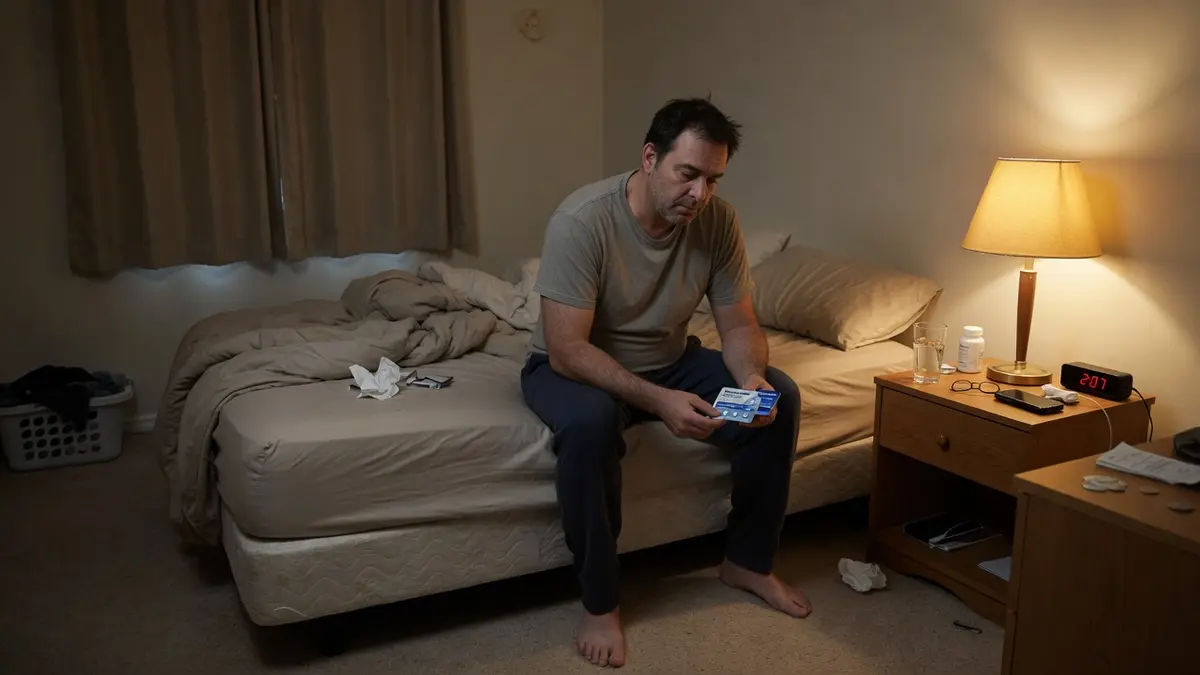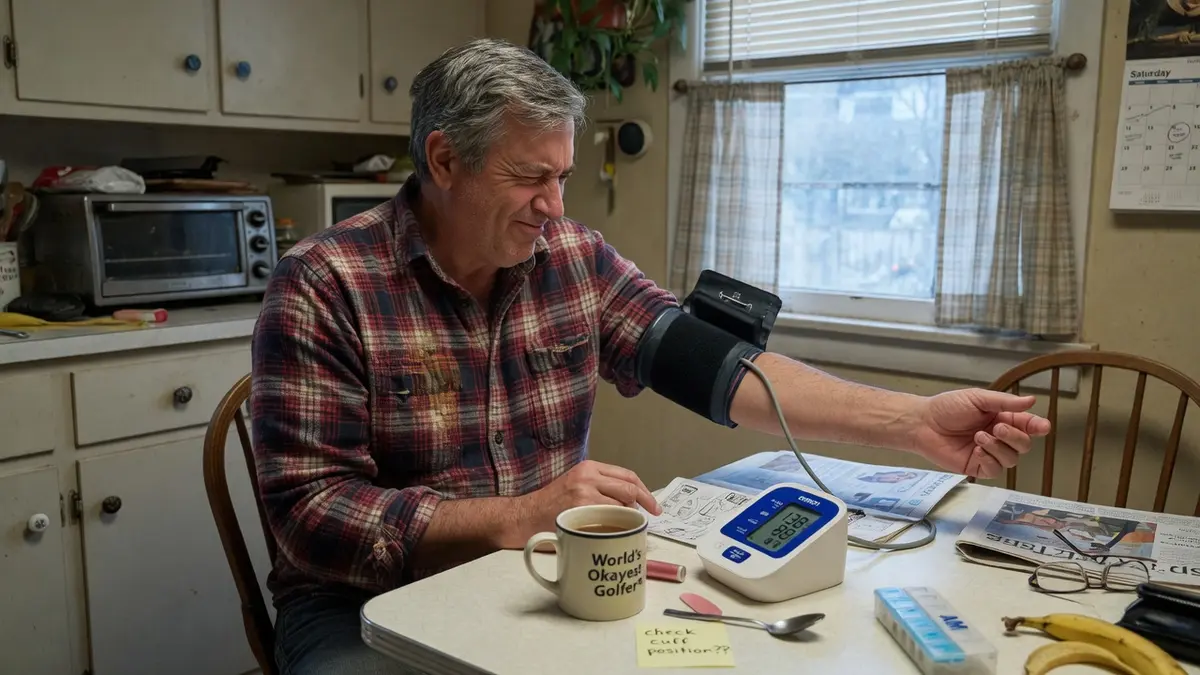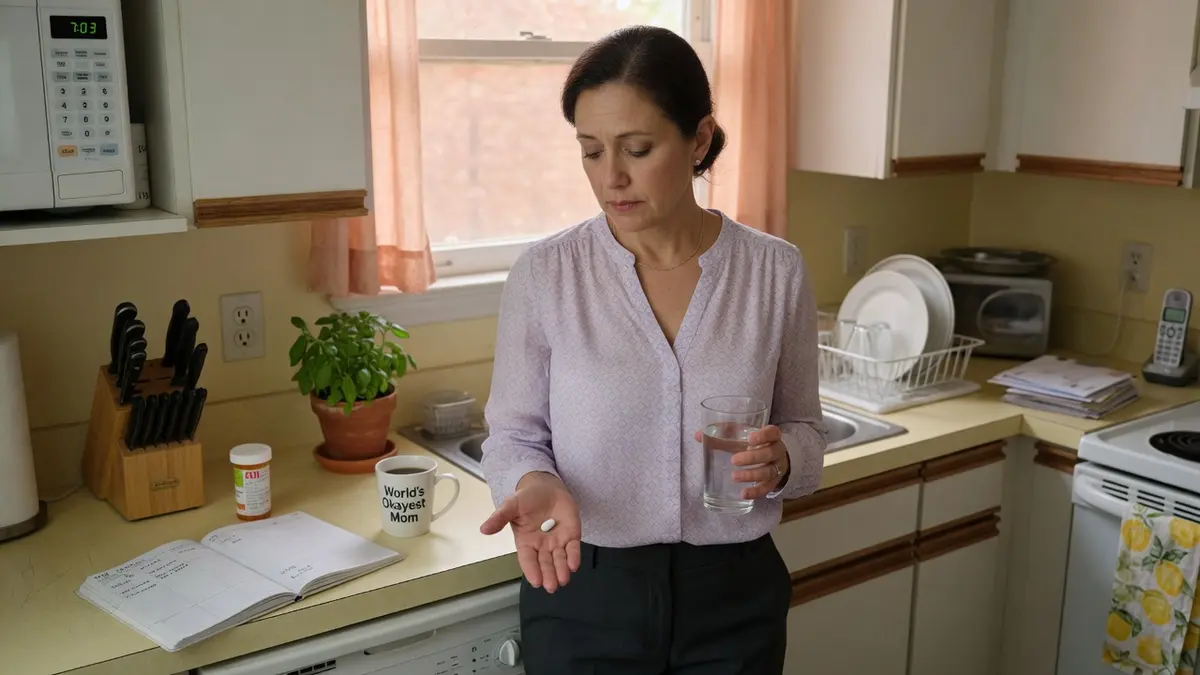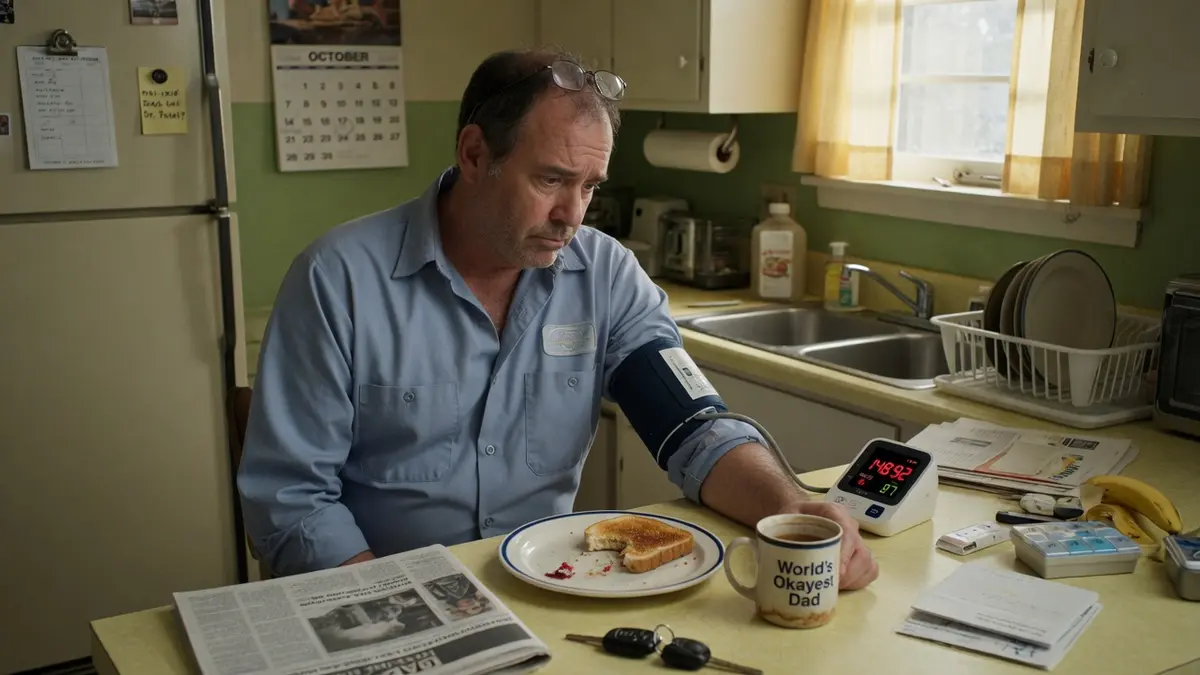

A patient comes in with a folder of normal test results. Blood work, fine. Imaging, clean. The aching back, the headaches that won’t quit, the stomach that’s been off for months — every individual workup points to nothing. They leave more frustrated than when they arrived, convinced something has been missed. And sometimes something has been missed, but it isn’t a tumor or a torn disc. It’s that the brain and body are wired together far more tightly than most people realize.
So can depression cause physical pain? Yes — and not in a vague, hand-wavy way. The aches, fatigue, and digestive trouble that often travel with depression are real, measurable, and rooted in the same nervous system that regulates mood. People dismiss these symptoms or chase them from specialist to specialist precisely because they don’t feel emotional. They feel physical, because they are.
Why the body hurts when the mind is struggling
The short version: the brain doesn’t keep mood and physical sensation in separate filing cabinets. The chemicals and pathways that shape how you feel emotionally also shape how you feel pain.
Two messengers — serotonin and norepinephrine — do double duty. They help regulate mood, and they also help dial pain signals up or down as those signals travel through the spinal cord and brain. When these systems run low or out of balance, the volume knob on pain can get stuck higher than it should be. That’s part of why some people with depression experience ordinary sensations as genuinely uncomfortable, and why the same medications that treat depression are sometimes used to treat chronic pain conditions.
There’s also the stress angle. Depression often keeps the body’s stress response switched on longer than it’s meant to be. Persistently elevated stress hormones can increase muscle tension, disrupt sleep, irritate the gut, and leave the immune system in a low-grade inflammatory state. Research suggests that this kind of chronic inflammation is associated with both depressive symptoms and the bodily aches that come with them. None of this is imagined. It’s biology doing exactly what it does under sustained strain.
More Helpful Reads You Might Like:
- Mental Health After Gender Transition: What a Large Study Reveals
- Can Stress Cause Stomach Problems? What Your Gut Is Trying to Tell You
- 7 Signs of Borderline Personality Disorder and When to Seek Help
The physical signs of depression people tend to miss
Mood and motivation get all the attention. But the physical signs of depression are often what actually drive someone to a doctor — they just rarely name depression as the suspect. A few of the most commonly overlooked patterns:
- Unexplained body aches and fatigue. A deep, dragging tiredness that sleep doesn’t fix, often paired with sore muscles or joints that no injury explains.
- Headaches and body pain. Tension-type headaches, neck and shoulder tightness, and generalized aching are frequently reported, and depression headaches and body pain often worsen together during low periods.
- Depression and stomach problems. Nausea, cramping, constipation, diarrhea, or a stomach that simply feels “off” — the gut and brain are in constant conversation through what’s called the gut-brain axis.
- Chest heaviness or tightness. A pressure that can mimic anxiety or, frighteningly, a heart issue, which always deserves evaluation first.
- Changes in appetite and weight. Eating much more or much less than usual, often without conscious intent.
- Sleep that’s broken in both directions. Trouble falling asleep, waking at 3 a.m., or sleeping far too much and still feeling exhausted.
Why does my body hurt when I’m sad?
This is one of the most common questions people quietly type into a search bar, usually late at night. The honest answer is that sadness and pain share real estate in the brain. Regions involved in processing physical pain — like the anterior cingulate cortex — also light up during emotional distress. The brain treats social and emotional hurt with some of the same circuitry it uses for a stubbed toe. So when you feel emotionally low and your body aches in response, that’s not weakness or imagination. It’s overlap in the machinery.
How to tell physical symptoms of depression from a separate medical problem
Here’s the part that’s genuinely tricky, and worth saying plainly: you can’t reliably sort this out on your own, and you shouldn’t try to. Plenty of conditions cause fatigue and aches — thyroid problems, anemia, autoimmune disease, sleep apnea, infections, and more. Depression doesn’t get to be the default explanation just because the obvious tests came back clean.
That said, a few patterns make a mind-body connection more likely. Physical symptoms that arrive alongside low mood, loss of interest in things you used to enjoy, or a change in how you’re functioning day to day deserve a closer look at mental health, not just another scan. Symptoms that shift with your emotional state — flaring during stressful stretches and easing during better ones — also point that direction. And when multiple unrelated body systems are acting up at once, with no single diagnosis tying them together, depression becomes a reasonable thing to put on the table.
The smartest move is to treat both possibilities as real. A good physician can screen for depression and rule out other causes in the same visit. These aren’t competing explanations so much as overlapping ones — and treating depression can ease physical symptoms even when another condition is present too.
What actually helps
When physical symptoms trace back to depression, the treatments that work on mood often work on the body as well. That’s not a coincidence — it’s the shared biology paying off in the other direction.
- Talk therapy. Approaches like cognitive behavioral therapy can reduce both depressive symptoms and the physical complaints that ride along with them. Some people are surprised when their headaches or stomach trouble ease after a few months of therapy.
- Medication, when appropriate. Certain antidepressants that act on serotonin and norepinephrine are sometimes chosen specifically because they help with pain and mood at once. This is a conversation to have with a prescriber, not a decision to make alone.
- Movement. Regular physical activity has solid evidence for improving mood, and it tends to loosen the muscle tension and fatigue that depression piles on. It doesn’t have to be intense — consistent matters more than hard.
- Sleep repair. Because broken sleep amplifies both pain and low mood, steadying your sleep schedule can quietly improve several symptoms at once.
Self-care helps, but it has limits, and there’s no shame in those limits. If symptoms have lasted more than a couple of weeks and are interfering with work, relationships, or basic daily life, professional support is the appropriate next step — not a last resort.
When to seek medical care
Some symptoms always need prompt, in-person evaluation before anything gets chalked up to depression. Don’t wait on these:
- Chest pain, pressure, shortness of breath, or pain spreading to the arm or jaw — call emergency services.
- Sudden severe headache unlike any you’ve had before.
- Unexplained weight loss, fever, or night sweats.
- New weakness, numbness, or difficulty speaking.
- Pain that’s rapidly worsening or keeping you from functioning.
And a safety note that matters more than any other: if you’re having thoughts of harming yourself or feel you can’t keep yourself safe, reach out right away. In the U.S., you can call or text 988 to reach the Suicide and Crisis Lifeline, any time, day or night. Help is available, and reaching for it is a strong thing to do.
Medical Disclaimer: This content is for educational purposes only and does not replace professional medical advice, diagnosis, or treatment. Always consult your physician or a qualified healthcare provider with any questions about a medical condition.
So, can depression cause physical pain — and what should you do with that?
Yes, depression can cause physical pain, and recognizing that link is often the thing that finally moves a stalled search for answers forward. If you’ve been collecting normal test results while your body keeps hurting, bring the emotional side into the conversation with your doctor directly. Mention the mood, the sleep, the loss of interest — not just the aches. Treating the whole picture, rather than each symptom in isolation, is usually what gets people feeling like themselves again.
Sources & Further Reading
- Mayo Clinic: Pain and Depression — Is There a Link?
- PubMed: The Link Between Depression and Physical Symptoms (Trivedi, 2004)
- PMC: The Link Between Depression and Physical Symptoms — Full Text (Trivedi, 2004)
- PubMed: Comorbid Painful Physical Symptoms and Depression — Prevalence, Work Loss, and Help Seeking
- NIMH: Understanding the Link Between Chronic Disease and Depression
- PMC: Pain and Depression — A Neurobiological Perspective of Their Relationship