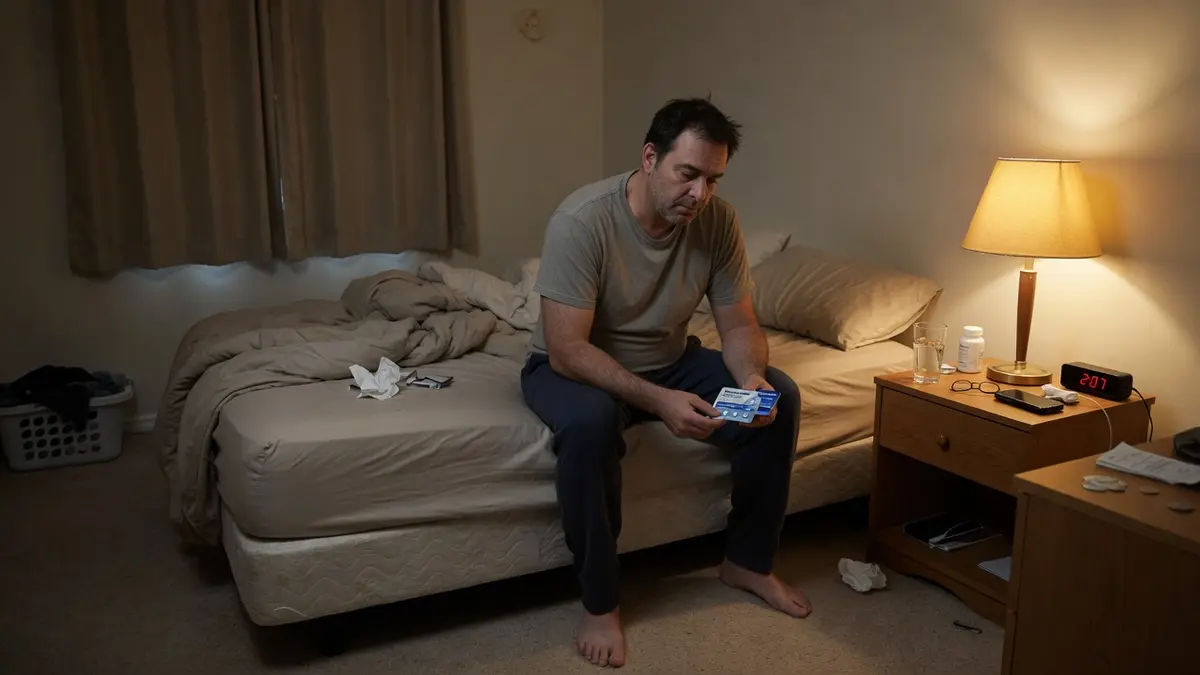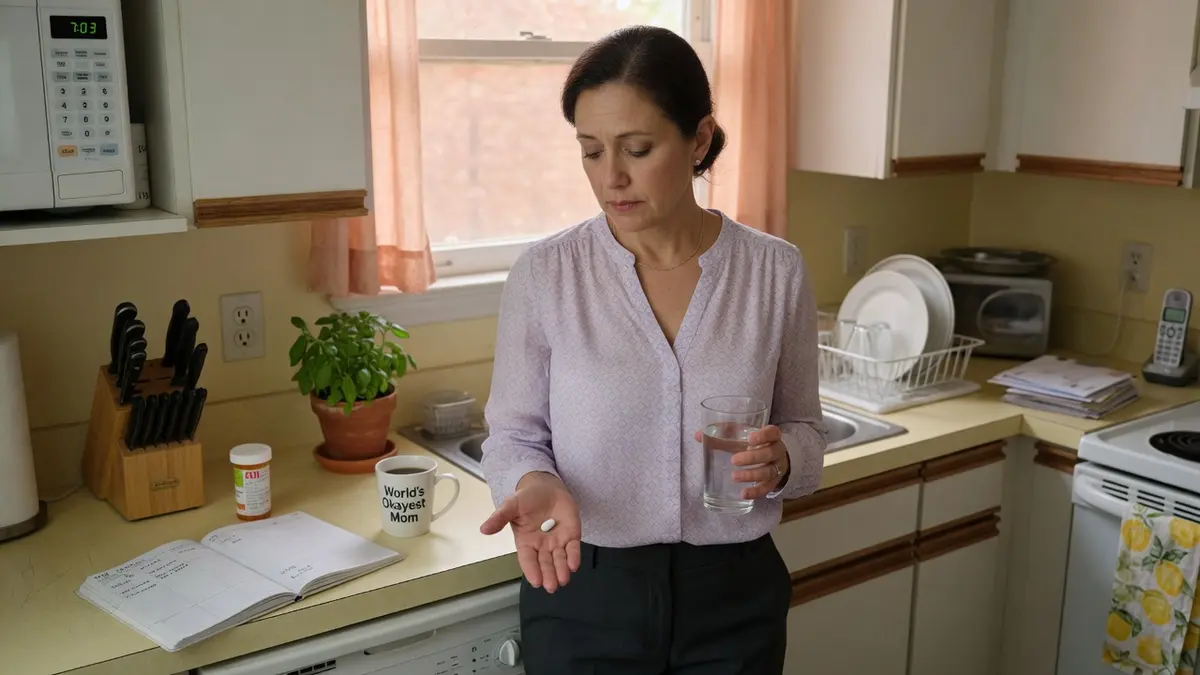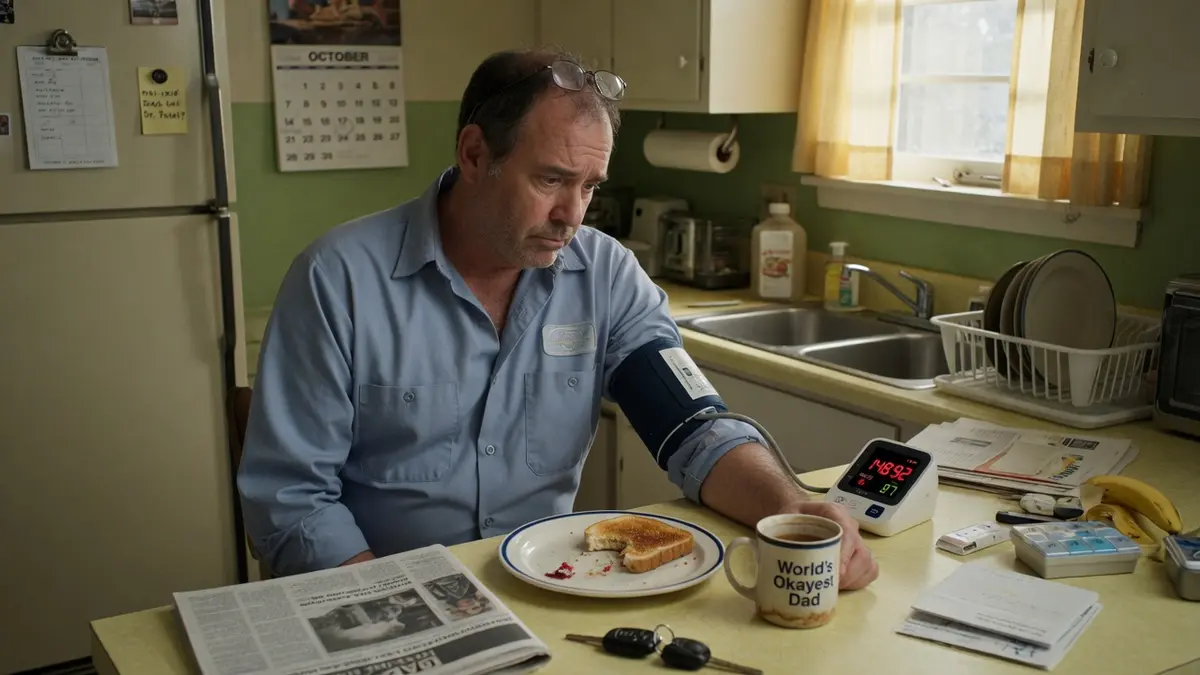

A man in his forties shows up at his doctor’s office complaining of back pain that won’t quit. His sleep is wrecked, he’s snapping at his kids, and he can’t remember the last time anything felt interesting. He doesn’t mention his mood, because in his mind, nothing is wrong with his mood. He’s not sad. He’s just tired, sore, and irritable. What he doesn’t realize is that he could be describing depression.
This is one of the most common blind spots in mental health: the assumption that depression always shows up as tearfulness or a heavy, visible sadness. In reality, some of the most telling signs of depression besides sadness are easy to write off as stress, aging, or a bad stretch at work. People can spend months — sometimes years — attributing these symptoms to everything except what’s actually going on.
Why depression doesn’t always look like sadness
Depression is a condition that affects mood, energy, thinking, and the body all at once. Sadness is just one possible expression of it, and for a meaningful number of adults, it isn’t the loudest one. Researchers have long recognized that depression can present very differently from person to person, which is part of why it gets missed.
Men, for instance, are more likely to report irritability, anger, or physical complaints than they are to describe feeling “down.” Older adults sometimes experience depression mainly as fatigue, memory trouble, or a vague loss of interest, which can be mistaken for normal aging. And some people simply describe a flat, empty feeling — not sadness, but the absence of feeling much of anything at all.
The term anhedonia — the loss of pleasure or interest in things you used to enjoy — captures a lot of what people experience when depression shows up without obvious sadness. You’re not crying. You’re just… not into anything anymore.
More Helpful Reads You Might Like:
- 7 Signs of Borderline Personality Disorder and When to Seek Help
- Why Do I Feel Pain Without Injury? Understanding the Hidden Causes
- Why Do I Feel Anxious for No Reason? 7 Hidden Causes Explained
The hidden symptoms of depression most people overlook
When sadness isn’t front and center, depression tends to hide inside symptoms that feel physical, behavioral, or situational. Here are the ones that get dismissed most often.
Irritability, anger, and a short fuse
Irritability and depression travel together more often than people expect. Instead of feeling low, some adults feel perpetually annoyed — quick to anger, intolerant of small frustrations, on edge with the people they care about. It can feel less like depression and more like everyone around you suddenly became exhausting. This shows up frequently in men and in younger adults, and it’s one of the easiest signs to misread as a personality problem rather than a mood disorder.
Physical pain with no clear cause
The body and the brain aren’t separate systems, and depression can announce itself through physical signs of depression that send people to their primary care doctor instead of a therapist. Headaches, back pain, muscle aches, digestive trouble, and a general sense of bodily heaviness are all common. Research suggests that people with depression are significantly more likely to report unexplained physical pain, and that pain can be harder to treat until the underlying mood symptoms are addressed.
Bone-deep fatigue
This isn’t ordinary tiredness. It’s the kind of exhaustion that sleep doesn’t fix — where getting through a normal day feels like wading through wet sand. Fatigue is one of the most frequently reported symptoms in depression, and because so many things cause tiredness, it’s also one of the most ignored.
Emptiness and numbness
Depression without sadness sometimes feels like nothing at all. People describe it as flatness, emptiness, or watching their own life from behind glass. Things that used to bring joy or even mild satisfaction stop registering. This numbness can be more distressing than sadness, because there’s no clear emotion to point to — just an absence.
Trouble concentrating and a foggy memory
Depression can make it hard to focus, follow conversations, make decisions, or remember details. People often blame this on stress or being overwhelmed, but cognitive symptoms — sometimes called “brain fog” — are a recognized part of the condition, not a separate failing.
Changes in sleep and appetite
Both directions count. Some people sleep too little and wake at 4 a.m. with their minds racing. Others sleep ten hours and still feel wrecked. Appetite can vanish, or it can swing the other way. A pattern of oversleeping and increased appetite, often along with a heavy, leaden feeling in the arms and legs and intense sensitivity to rejection, is sometimes described as atypical depression — a recognized subtype where mood can briefly lift in response to good news, which is part of why it gets overlooked.
How to tell ordinary stress from something more
Everyone has rough weeks. Tiredness, irritability, and a temporary loss of interest are part of being human, and they don’t automatically mean depression. The honest answer is that there’s no single symptom that draws a clean line. What matters more is the pattern.
A few questions worth sitting with:
- How long has it lasted? Clinical guidelines generally look for symptoms that persist most of the day, nearly every day, for at least two weeks.
- Is it affecting how you function? Trouble keeping up at work, pulling away from people, or letting basic routines slide is a meaningful signal.
- Has more than one symptom clustered together? Fatigue alone is one thing. Fatigue plus loss of interest plus irritability plus poor sleep is a different picture.
- Does anything bring relief? When rest, time off, or things you normally enjoy don’t move the needle at all, that’s worth paying attention to.
None of this is a diagnosis. Depression is diagnosed by a qualified professional who can rule out other causes — thyroid problems, certain medications, vitamin deficiencies, and other medical conditions can all mimic depressive symptoms. That’s exactly why getting checked out matters rather than self-labeling.
When to seek medical care
Reaching out to a primary care doctor or mental health professional is reasonable any time these symptoms last more than a couple of weeks, keep coming back, or start interfering with daily life. There’s no threshold of “bad enough” you have to cross first. If the atypical symptoms — the irritability, the unexplained pain, the numbness — have you wondering, that’s a good enough reason to ask.
Some situations warrant urgent attention. Reach out right away if you or someone you know experiences any of the following:
- Thoughts of death, suicide, or self-harm
- A feeling that life isn’t worth living, or that others would be better off without you
- An inability to care for yourself — not eating, not sleeping, unable to function for days
- A sudden, severe worsening of mood or behavior
In the U.S., the 988 Suicide and Crisis Lifeline is available 24/7 by call or text. If someone is in immediate danger, emergency services (911) are the right call. Asking for help in a crisis is not an overreaction — it’s the appropriate response.
What to do next
If any of this feels familiar, a practical first step is to write down what you’ve noticed — which symptoms, how long, and how they’re affecting your days. Bring that list to a doctor’s appointment. It gives the conversation a concrete starting point and makes it harder for important details to get lost or brushed aside, including by you.
Effective treatments exist, and they work for a wide range of presentations — including the quieter, more physical, more irritable versions of the condition. Therapy, medication, lifestyle changes, or some combination are all options a clinician can help sort through. What doesn’t help is waiting for the symptoms to look more “textbook” before taking them seriously.
Medical Disclaimer: This content is for educational purposes only and does not replace professional medical advice, diagnosis, or treatment. Always consult your physician or a qualified healthcare provider with any questions about a medical condition.
Recognizing the signs of depression besides sadness early
Depression is far better at hiding than most people assume, and it doesn’t owe anyone a tidy presentation. When you stop expecting tears and start paying attention to the fatigue, the short temper, the aches, and the emptiness, the signs of depression besides sadness become a lot easier to catch — and catching them early is what gets people to help sooner.
Sources & Further Reading
- National Institute of Mental Health: Depression
- PubMed: The Link Between Depression and Physical Symptoms
- Mayo Clinic: Male Depression – Understanding the Issues
- Mayo Clinic: Depression (Major Depressive Disorder) – Symptoms and Causes
- NCBI Bookshelf – StatPearls: Major Depressive Disorder
- PubMed: Sleep Disorders as Core Symptoms of Depression