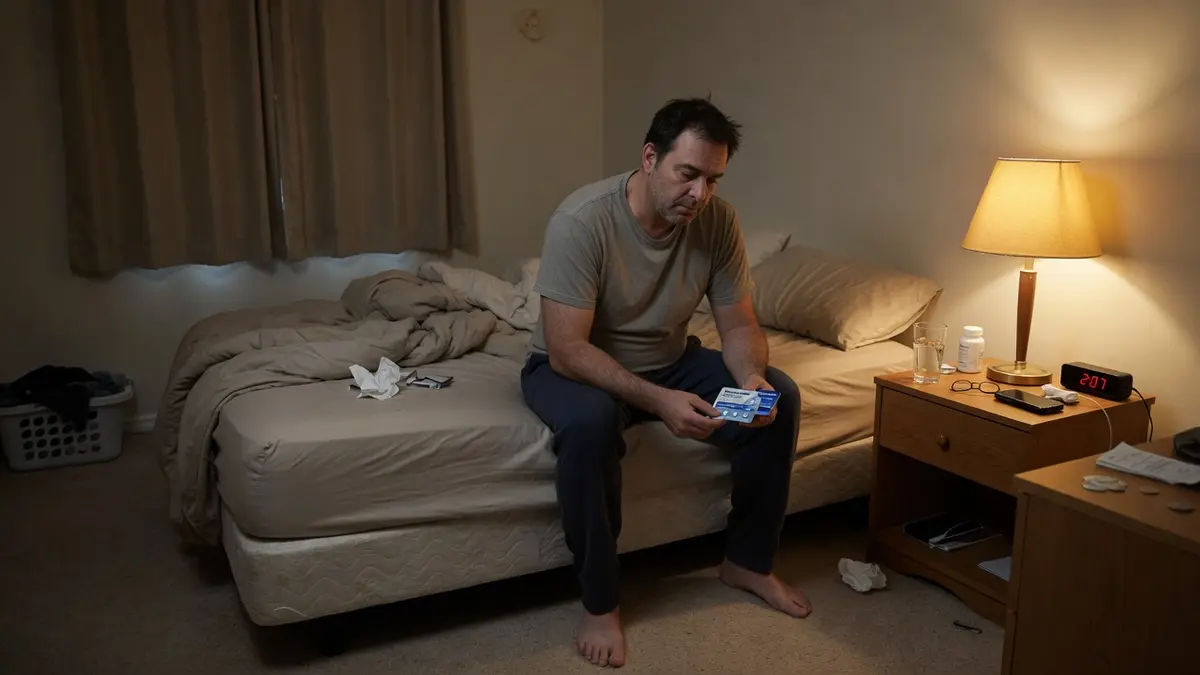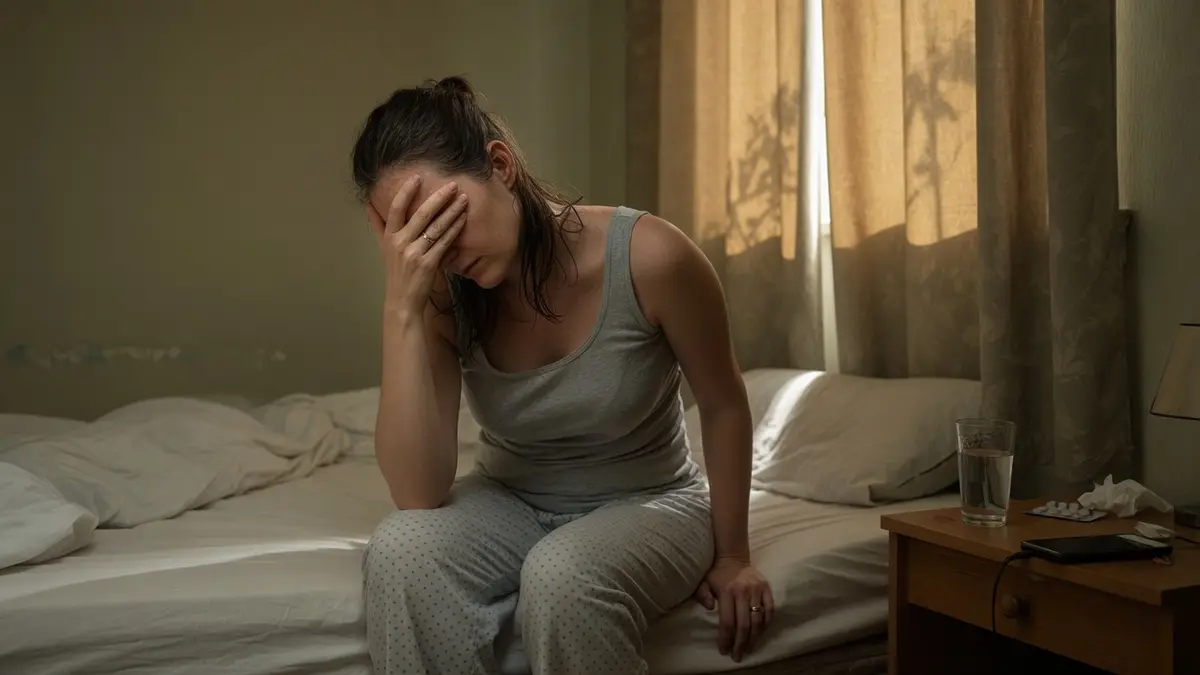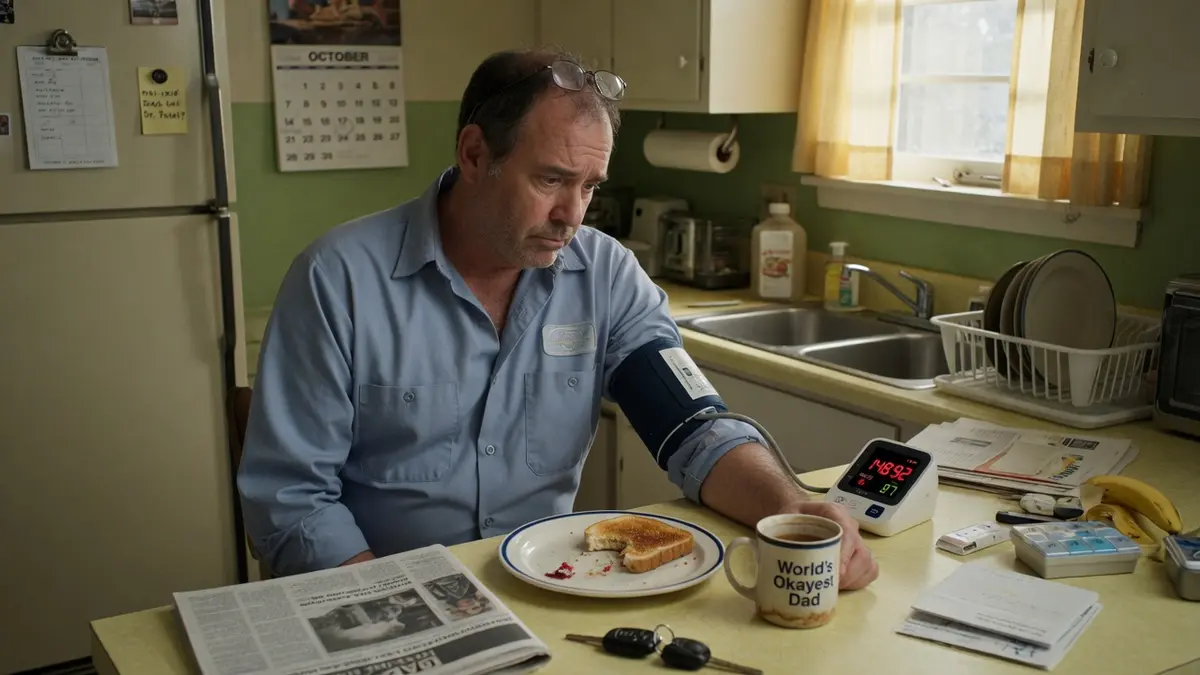
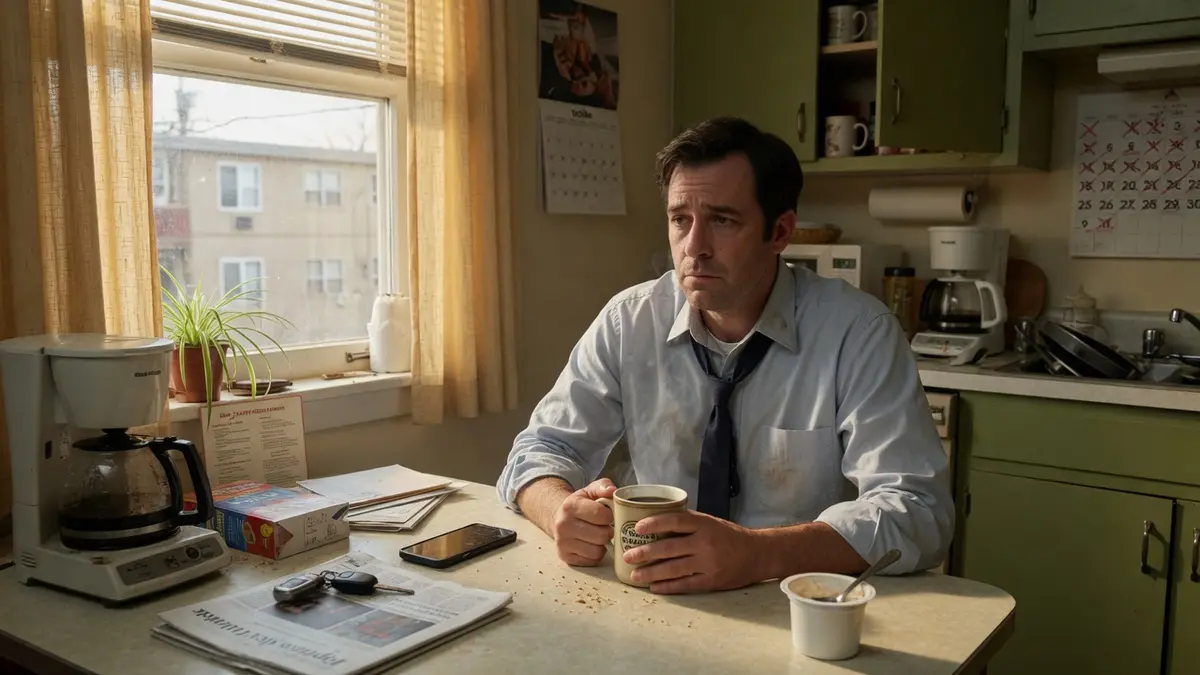
You bombed a presentation at work, or your kid got sick the same week your car broke down, and now you can’t sleep, your shoulders feel like concrete, and your brain won’t stop running worst-case scenarios at 2 a.m. A few days of that? Expected. But when the tension drags into a third or fourth week and you start wondering whether this is just how you live now, it’s fair to ask how long should stress last before it stops being a normal reaction and starts being a problem worth addressing.
The honest answer is that there’s no single stopwatch number, but there are useful patterns. Stress is supposed to be temporary. It’s a response to a demand, and when the demand passes, the response is meant to fade. When it doesn’t fade, that’s the signal worth paying attention to.
How long is it normal to feel stressed?
Acute stress, the kind triggered by a specific event, typically peaks fast and eases within hours to a few days once the situation resolves or you adapt to it. Think of a job interview, a deadline, or a tense conversation. Your heart rate climbs, your focus narrows, and then your body settles back down afterward. That’s the system working the way it should.
For bigger stressors, like starting a new job, moving, or recovering from a breakup, it’s common to feel off for a few weeks. Mental health clinicians often use a rough window of around three months as the point where a stress reaction tied to an identifiable event should be settling rather than intensifying. If you’re past that window and still feeling consumed by it, that’s worth a closer look.
Here’s the thing: the timeline matters less than the trajectory. Stress that’s slowly improving week over week is usually doing what it’s supposed to. Stress that’s flat or getting worse, even after the original trigger is gone, is the version that tends to wear the body down.
More Helpful Reads You Might Like:
- 7 Subtle Signs of Burnout You Might Be Ignoring
- Can Stress Cause Memory Problems? What Science Shows
- Why You Feel Chest Tightness When Stressed (And What It Means)
Chronic stress vs. normal stress: where the line sits
Normal stress has an off switch. You feel the pressure, you deal with the thing, and your nervous system recovers. Chronic stress is what happens when that recovery never fully arrives, either because the stressor keeps going (an ongoing illness, money trouble, a difficult job) or because the body stays revved up even after the threat is over.
The distinction between chronic stress vs. normal stress isn’t really about how intense it feels in the moment. Plenty of short-term stress feels awful. The difference is duration and recovery. When stress hormones like cortisol stay elevated for weeks or months, the constant activation is associated with real physical effects, which is why prolonged stress gets treated differently than a rough week.
A few things tend to separate the two:
- Normal stress comes in waves and you can usually point to what’s causing it.
- Chronic stress feels more like a constant background hum that’s hard to switch off even during downtime.
- Normal stress tends to lift when the situation changes. Chronic stress can persist even after circumstances improve.
So when does stress become a problem? Practically speaking, it’s when it stops being a response to your life and starts interfering with it, disrupting your sleep, your relationships, your work, or your health.
Signs stress is affecting your health
The body is surprisingly loud about prolonged stress, though the signals are easy to write off as unrelated. Worth knowing which ones tend to cluster together.
Physical signs
- Trouble falling or staying asleep, or waking up still exhausted
- Persistent headaches, jaw clenching, or muscle tension in the neck and shoulders
- Stomach problems, including nausea, cramping, or changes in appetite
- A racing heart or chest tightness that isn’t tied to exertion
- Getting sick more often than usual, since prolonged stress is associated with a weaker immune response
- Noticeable changes in weight without trying
Mental and emotional signs
- Feeling irritable, on edge, or quick to anger over small things
- Difficulty concentrating or making decisions that used to be easy
- A sense of dread that follows you around without a clear cause
- Withdrawing from people or activities you normally enjoy
- Relying more on alcohol, food, or screens to take the edge off
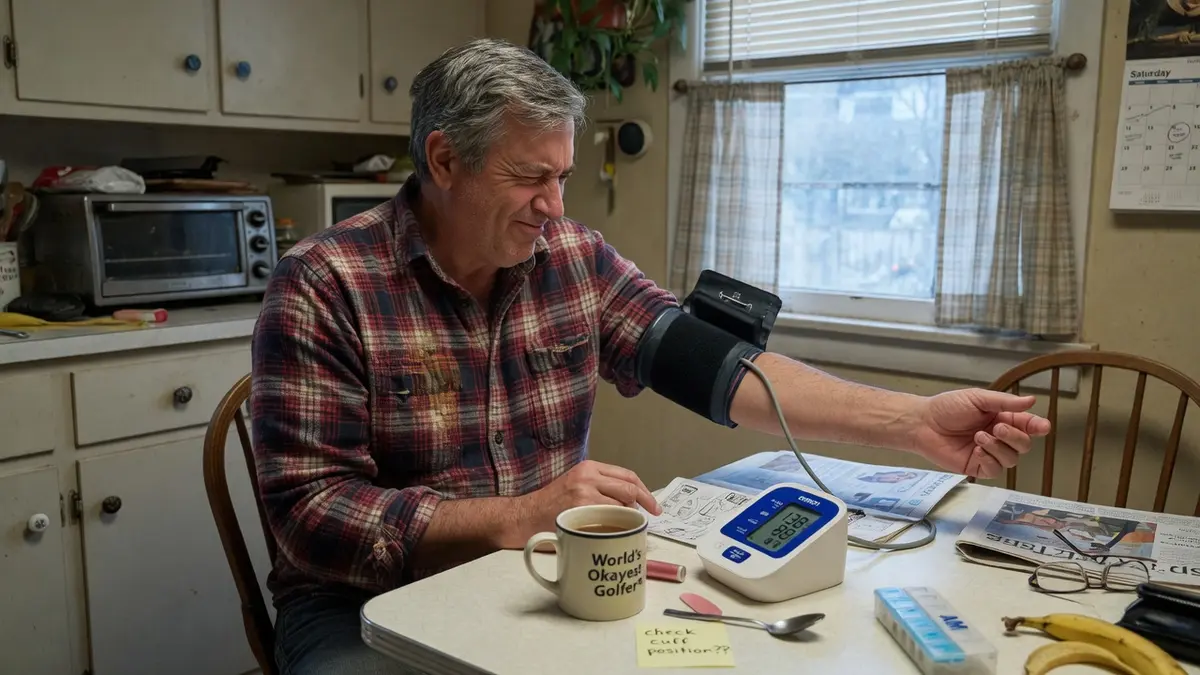
One or two of these on a hard week isn’t cause for concern. Several of them, sticking around for weeks, are the clearer signs stress is affecting your health rather than just your mood. Research suggests that long-running stress is linked to higher blood pressure, disrupted sleep, and worsening of conditions like irritable bowel syndrome, so these aren’t just in your head.
How long is too long to be stressed?
If you’re trying to gauge how long is too long to be stressed, a reasonable rule of thumb: when stress symptoms persist most days for more than two to four weeks and aren’t improving, it’s worth taking seriously. That’s especially true if the original trigger has resolved but you still feel stuck in high gear.
Two patterns deserve extra attention. The first is stress that keeps escalating instead of plateauing or easing. The second is stress that’s quietly reshaping your daily function, you’re calling in sick, snapping at people you love, or dropping things you used to handle without thinking. Both suggest the stress response has outlived its usefulness and tipped into something that’s costing you.
When to see a doctor for stress
Deciding when to see a doctor for stress doesn’t require hitting some dramatic breaking point. A primary care visit is reasonable any time stress is interfering with your sleep, work, relationships, or physical health for more than a few weeks, or when the coping tools that used to work for you have stopped working.
Reach out sooner if you’re experiencing any of the following:
- Chest pain, a pounding heart, or shortness of breath you can’t explain, which should be evaluated promptly to rule out other causes
- Panic attacks, sudden waves of intense fear with physical symptoms like dizziness or a racing pulse
- Sleep that’s been badly disrupted for weeks
- Using alcohol or other substances to cope
- Feeling hopeless, or finding it hard to get through ordinary daily tasks
And this one isn’t negotiable: if you’re having thoughts of harming yourself or feel like you can’t go on, treat it as urgent. In the U.S., you can call or text 988 to reach the Suicide and Crisis Lifeline any time, day or night. That’s what it’s there for.
A doctor can help sort out whether what you’re feeling is stress, anxiety, depression, or a physical condition that’s mimicking stress, since thyroid problems and other issues can produce similar symptoms. They can also point you toward therapy, which has strong evidence behind it for stress and anxiety, and discuss other options if needed.
What actually helps while you wait it out
If your stress is recent and tied to something specific, a few practical moves can speed up recovery. Regular movement, even a daily walk, helps burn off the physical charge of stress hormones. Protecting your sleep matters more than almost anything else, since poor sleep and stress feed each other in a loop. Cutting back on caffeine and alcohol can take some of the edge off the physical symptoms. And naming the stressor out loud, to a friend or in writing, tends to make it feel more manageable than letting it rattle around unspoken.
None of that replaces care when stress has become chronic. But for the garden-variety rough patch, it’s often enough to get the recovery process moving.
Medical Disclaimer: This content is for educational purposes only and does not replace professional medical advice, diagnosis, or treatment. Always consult your physician or a qualified healthcare provider with any questions about a medical condition.
Sources & Further Reading
- Mayo Clinic: Chronic Stress Puts Your Health at Risk
- Mayo Clinic: Stress Symptoms – Effects on Your Body and Behavior
- American Psychological Association: Stress Effects on the Body
- National Institute of Mental Health: I’m So Stressed Out! Fact Sheet
- PMC / NIH: The Effects of Chronic Stress on Health – New Insights into the Molecular Mechanisms of Brain–Body Communication