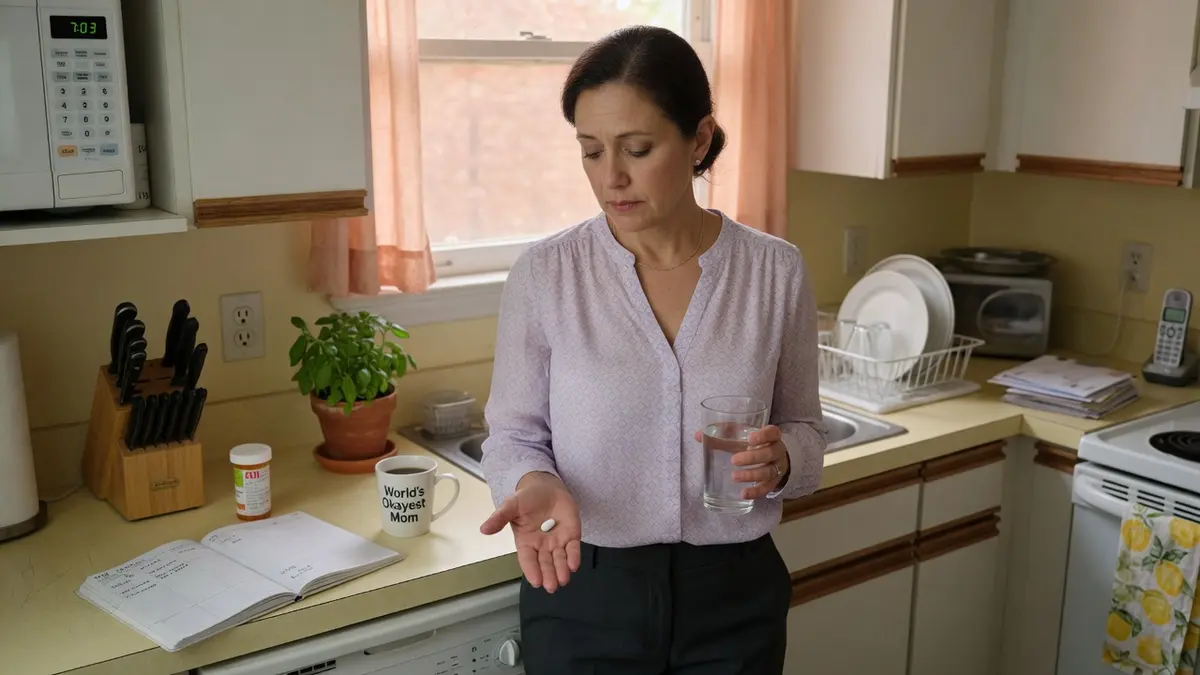

Heavy periods that disrupt daily life. Persistent pelvic pressure that doesn’t quite go away. Fatigue from ongoing blood loss. For many women, these are not isolated symptoms—they may be signs of uterine fibroids.
Uterine fibroid treatment is often more nuanced than expected. Some women never need treatment at all, while others require a combination of therapies to control symptoms or protect fertility. Understanding the full range of options can make a significant difference in both comfort and long-term health.
What Are Uterine Fibroids and When Do They Need Treatment?
Uterine fibroids are noncancerous growths that develop in or around the uterus. According to the American College of Obstetricians and Gynecologists (ACOG), they are extremely common, especially during reproductive years.
Not all fibroids cause symptoms. In many cases, they are found incidentally during routine exams. However, uterine fibroid treatment may be considered when symptoms begin to interfere with quality of life.
Common symptoms include:
- Heavy or prolonged menstrual bleeding
- Pelvic pain or pressure
- Frequent urination
- Constipation
- Difficulty getting pregnant
Why Uterine Fibroid Treatment Is Not One-Size-Fits-All
How Symptoms, Size, and Fertility Goals Shape Treatment
Choosing the right uterine fibroid treatment depends on several factors. Size and location matter, but so do personal priorities—especially whether future pregnancy is desired.
For example:
- Submucosal fibroids (inside the uterine cavity) are more likely to affect fertility
- Large fibroids may cause pressure symptoms
- Mild symptoms may not require immediate intervention
When Watchful Waiting Is a Safe Option
In some cases, the best uterine fibroid treatment is no treatment at all—at least initially.
Watchful waiting may be appropriate when:
- Symptoms are mild or absent
- Fibroids are small
- The individual is approaching menopause
Hormonal changes after menopause often cause fibroids to shrink naturally.
More Helpful Reads You Might Like:
7 Uterine Fibroid Treatment Options—With and Without Surgery
Understanding the range of uterine fibroid treatment options helps clarify what may work best for different situations.
1. Anti-inflammatory Medications (NSAIDs)
These medications may help reduce menstrual pain, although they do not shrink fibroids.
2. Hormonal Birth Control
Birth control pills, patches, or rings can regulate menstrual cycles and reduce heavy bleeding.
3. Hormonal IUD (Levonorgestrel IUD)
This option is often used to control heavy bleeding and may significantly improve quality of life for some women.
4. Tranexamic Acid
A non-hormonal medication taken during periods to reduce blood loss. It may be especially useful for those avoiding hormonal treatments.
5. GnRH Antagonists and Agonists
These medications temporarily lower estrogen levels, which may shrink fibroids and reduce bleeding. They are often used short-term due to potential side effects like bone loss.
6. Minimally Invasive Procedures
- Uterine artery embolization (UAE): Blocks blood flow to fibroids, causing them to shrink
- Radiofrequency ablation: Uses heat to destroy fibroid tissue
These options may preserve the uterus but are not always ideal for those planning pregnancy.
7. Surgical Options
- Myomectomy: Removes fibroids while preserving the uterus
- Hysterectomy: Removes the uterus and is the only definitive cure
When to Consider Surgery for Fibroids
Signs That Treatment Needs to Be More Aggressive
Surgical uterine fibroid treatment may be considered when:
- Bleeding leads to anemia
- Pain is persistent or severe
- Fibroids grow rapidly
- Fertility is affected
How to Know If You Need a Specialist Evaluation
Evaluation by a gynecologist—or sometimes a minimally invasive surgery specialist—can help clarify:
- Whether fibroids are the true cause of symptoms
- Which treatment aligns with reproductive goals
- The risks and benefits of each option
How to Choose the Best Uterine Fibroid Treatment for You
Questions to Ask Your Doctor
- Are my symptoms clearly caused by fibroids?
- Do I need imaging to better understand size and location?
- How will this treatment affect fertility?
- What are the short- and long-term risks?
Balancing Symptom Relief and Long-Term Health
The best uterine fibroid treatment is not always the most aggressive one. For some, symptom control is enough. For others, a more definitive solution may provide relief and peace of mind.
Individual preferences matter. Some women prioritize avoiding surgery, while others prefer a one-time solution.
The Bottom Line
Uterine fibroid treatment includes a wide spectrum of options—from simple symptom control to advanced procedures and surgery. The right choice depends on symptoms, health goals, and personal preferences.
For many women, relief is possible without surgery. For others, surgical treatment offers the most effective long-term outcome. The key is a personalized approach guided by evidence-based care.
Medical Disclaimer
This content is for educational purposes only and does not replace professional medical advice, diagnosis, or treatment. Always consult your physician or a qualified healthcare provider with any questions about a medical condition.
Sources & Further Reading
Uterine Leiomyomas: Management
https://www.acog.org/clinical/clinical-guidance/practice-bulletin/articles/2021/06/management-of-symptomatic-uterine-leiomyomas
Relugolix Combination Therapy for Uterine Fibroids
https://pubmed.ncbi.nlm.nih.gov/33596357/
Elagolix for Heavy Menstrual Bleeding in Women with Fibroids
https://www.nejm.org/doi/full/10.1056/NEJMoa1904351
Uterine Fibroids Overview – Mayo Clinic
https://www.mayoclinic.org/diseases-conditions/uterine-fibroids/symptoms-causes/syc-20354288
Uterine Fibroids – MedlinePlus
https://medlineplus.gov/uterinefibroids.html
Uterine Artery Embolization – NIH
https://www.nhlbi.nih.gov/health-topics/uterine-fibroids