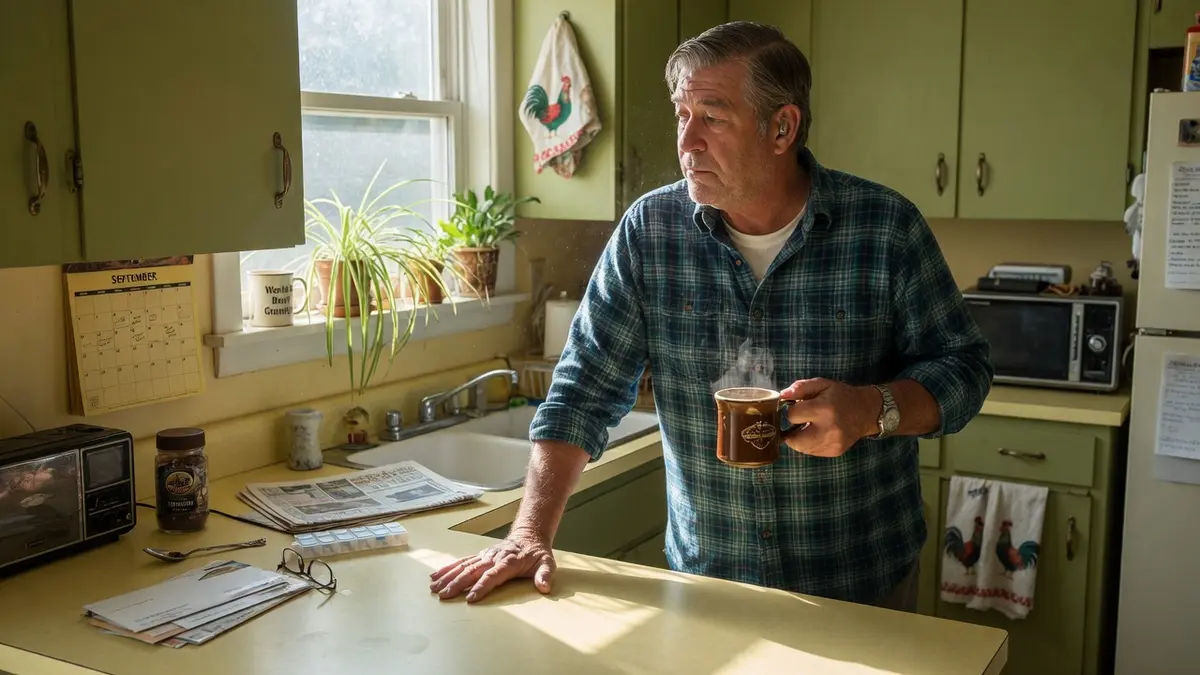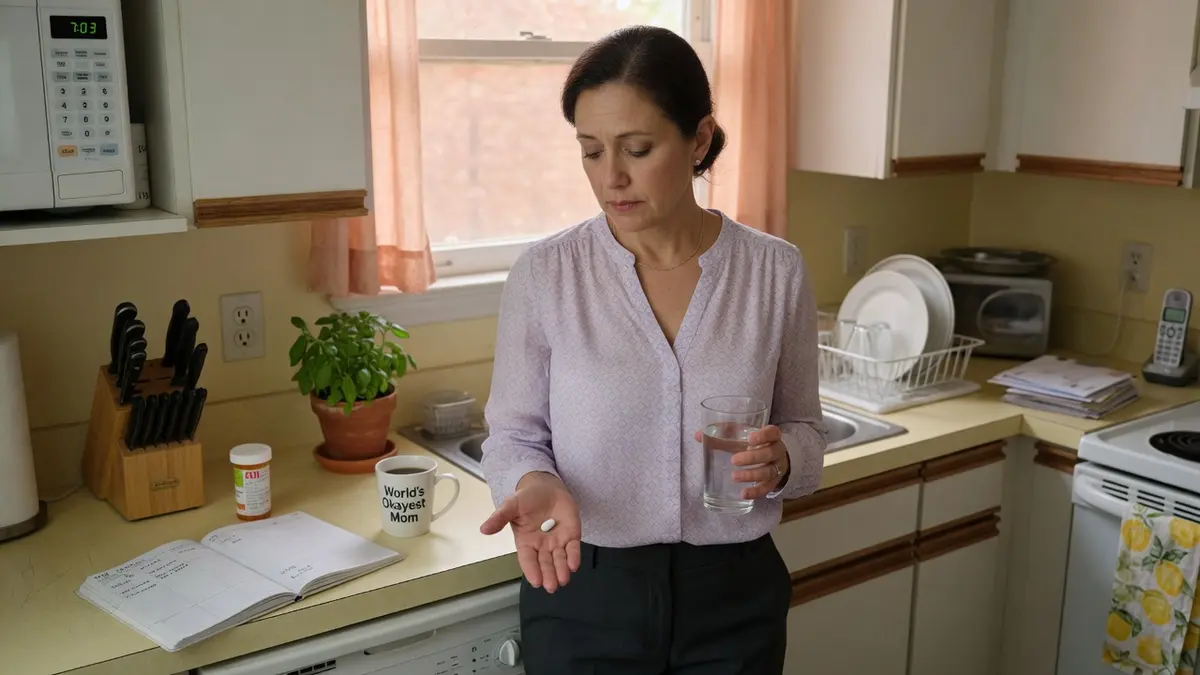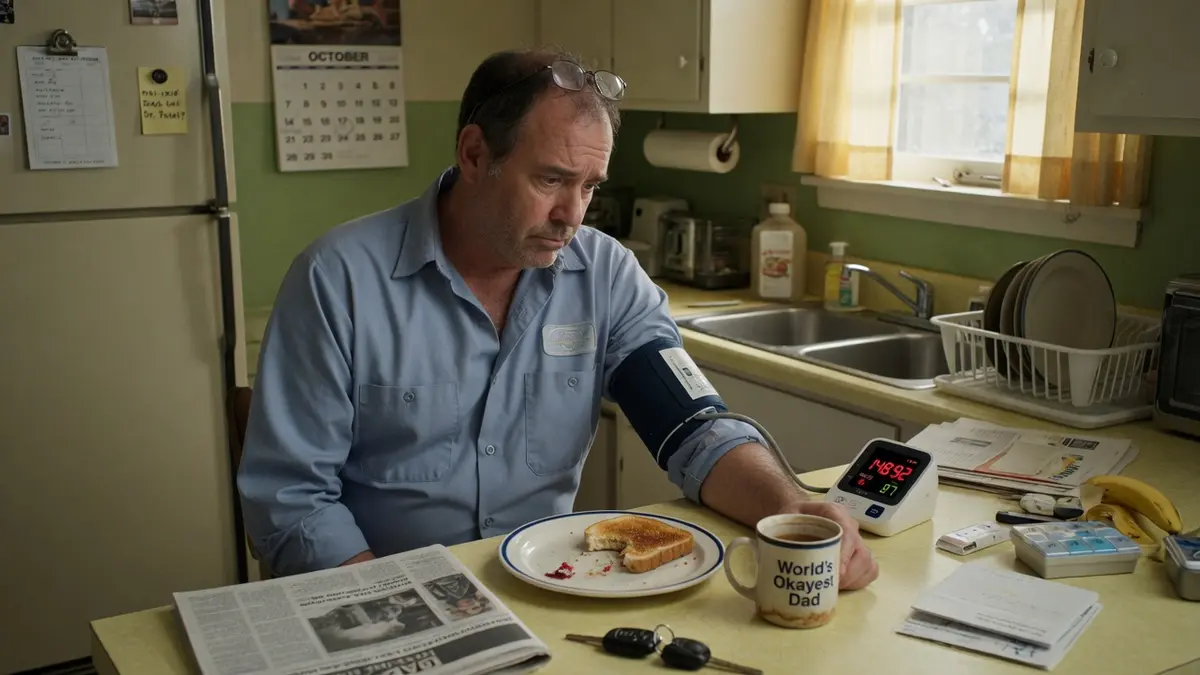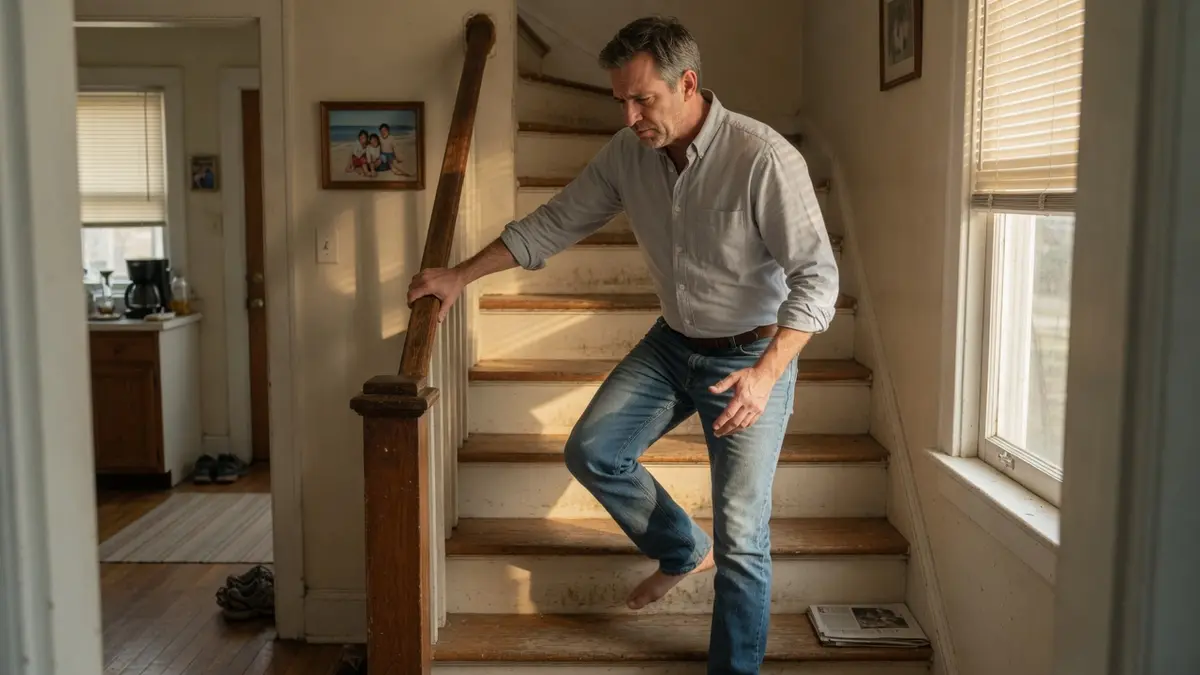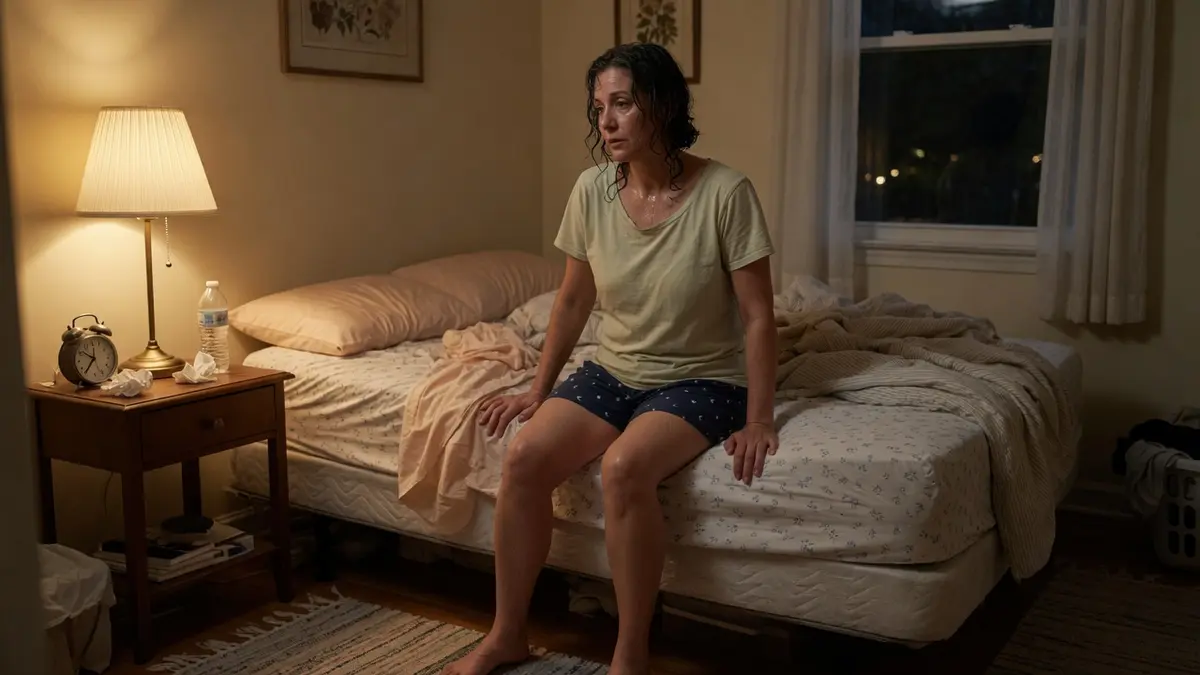
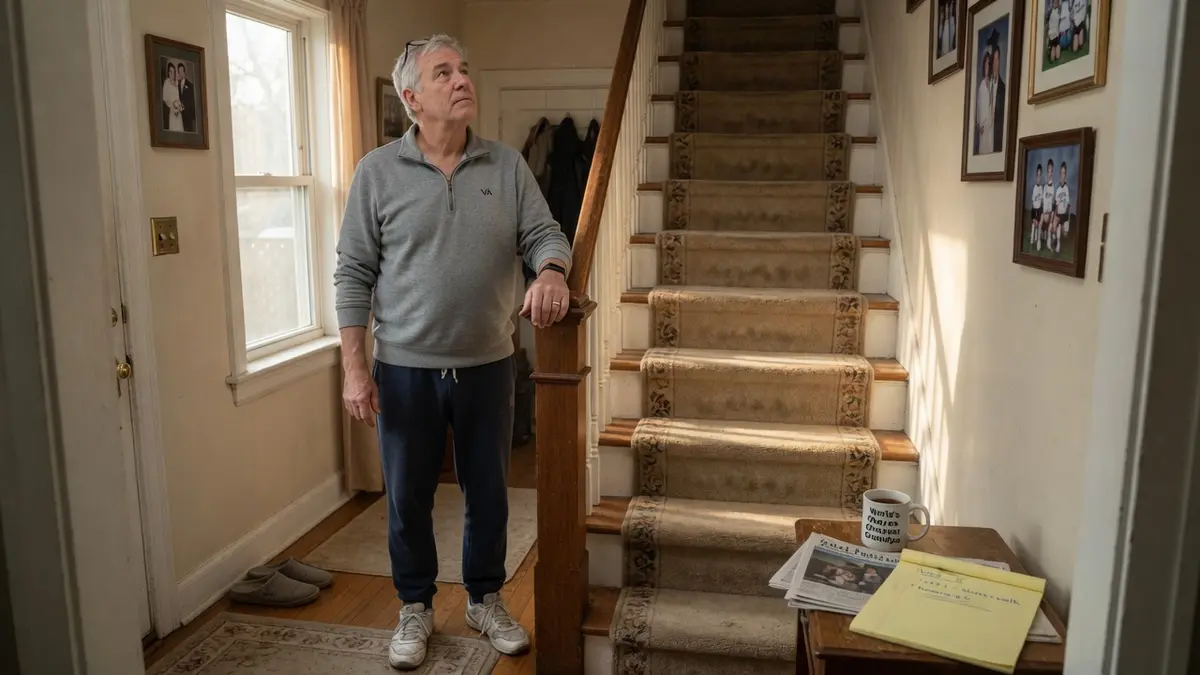
Picture two 68-year-olds. One climbs the stairs to a second-floor apartment carrying groceries without stopping. The other pauses at the landing, hand on the rail, catching their breath. Same age, same genes more or less — but their bodies are aging at very different speeds. A lot of that difference comes down to one thing: how much they move, and what kind of movement they do.
The good news is that the best exercise for aging after 60 isn’t some elite regimen or a punishing boot camp. It’s a surprisingly specific, manageable combination that research keeps pointing to again and again. And if you haven’t exercised in years, the evidence is genuinely encouraging — your body still responds, sometimes faster than you’d expect.
What “slowing aging” actually means here
Aging isn’t one process. It’s the slow loss of muscle, the stiffening of arteries, the decline in how efficiently your heart and lungs deliver oxygen, and the gradual erosion of balance and bone density. Exercise can’t stop the calendar. But it can meaningfully slow several of these biological declines at once, which is why it’s the closest thing we have to a longevity intervention that actually holds up under scrutiny.
Here’s the thing worth understanding: after 60, the most dramatic age-related change for most people is the loss of muscle, called sarcopenia. Adults can lose roughly 3 to 8 percent of muscle mass per decade after 30, and the rate often accelerates later in life. Less muscle means less strength, slower metabolism, worse balance, and a higher risk of falls. That single fact shapes a lot of the advice that follows.
Why exercise to slow aging beats most supplements
Plenty of products promise to slow aging. The evidence behind most of them is thin. Exercise, by contrast, has decades of consistent research showing it lowers the risk of heart disease, type 2 diabetes, several cancers, cognitive decline, and early death. Studies in older adults have found that the people who stay physically active tend to keep more of their independence — and that’s really what most people are after when they say they want to age well.
More Helpful Reads You Might Like:
- Why Do I Wake Up at 3AM Every Night?
- Do Healthy Adults Need Heart Screening? What Really Matters
- Peptides for Skin Longevity: How They Really Support Aging Skin
Cardio vs strength training for longevity: you need both
People love to ask which one wins. The honest answer is that framing it as cardio vs strength training for longevity misses the point — they protect different things, and the combination outperforms either one alone.
Aerobic exercise — walking, cycling, swimming, dancing — trains your heart and lungs. It improves cardiovascular fitness, which is one of the strongest predictors of how long someone lives. Research suggests that higher cardiorespiratory fitness is associated with a lower risk of death across nearly every age group, including people well past 60.
Strength training does something cardio can’t: it rebuilds and preserves muscle. For older adults specifically, resistance work helps maintain bone density, supports joint stability, and keeps everyday tasks — standing from a chair, lifting a grandchild, carrying laundry — from becoming harder than they need to be. Strength training for older adults also appears to help with insulin sensitivity and may support brain health.
When studies have compared groups, those who combine both forms tend to show better outcomes for mobility, metabolic health, and survival than those doing only one. So the real answer isn’t “pick one.” It’s “do both, even in small amounts.”
Don’t skip balance and flexibility
There’s a quiet third category that gets ignored until someone falls. Balance training — standing on one foot, heel-to-toe walking, tai chi, certain yoga movements — reduces fall risk, and falls are one of the leading causes of serious injury and lost independence after 65. A few minutes built into your routine goes a long way. Flexibility work keeps joints moving through their full range, which makes everything else easier and more comfortable.
How much exercise after 60 do you actually need?
This is where people often overestimate the requirement and talk themselves out of starting. Clinical guidelines for older adults are fairly clear, and the numbers are more reachable than most assume.
- Aerobic activity: about 150 minutes per week of moderate-intensity movement — roughly 30 minutes, five days a week. “Moderate” means you can talk but not sing. Brisk walking counts. You can also split this into shorter chunks; three 10-minute walks are as valid as one 30-minute one.
- Strength training: at least two sessions per week working the major muscle groups — legs, hips, back, chest, shoulders, arms. This can be done with resistance bands, light dumbbells, weight machines, or even your own body weight.
- Balance work: a few short sessions weekly, especially for anyone who’s noticed they feel less steady or has had a near-fall.
If 150 minutes sounds like a lot, here’s something reassuring: research consistently shows that the biggest health jump happens when someone goes from doing almost nothing to doing a little. The difference between zero and 60 minutes a week matters more, proportionally, than the difference between 150 and 300. So an imperfect amount still counts for a great deal.
Starting exercise after 60 when you’ve been inactive
It’s never too late, and that’s not a feel-good line — it’s what the data shows. Studies have found that adults who begin strength training in their 70s, 80s, and even 90s can gain measurable muscle and strength within a few months. The body’s ability to adapt doesn’t disappear with age. It just needs a reason to.
That said, starting exercise after 60 calls for some sensible pacing:
- Begin lighter and shorter than you think you should, then build gradually. Soreness for a day or two is normal; sharp pain is not.
- Warm up with a few minutes of easy movement before anything more demanding.
- With strength work, focus on form first and weight second. Slow, controlled repetitions beat heavy, sloppy ones.
- Add resistance or duration in small increments — roughly 10 percent at a time is a reasonable rule of thumb.
- Sit-to-stand from a chair, wall push-ups, and step-ups are excellent starting points that build real-world strength.
One candid note: the first two or three weeks are often the hardest, not because the exercise is brutal, but because the routine hasn’t settled in yet and progress feels invisible. Strength gains in the very beginning come partly from your nervous system getting better at recruiting muscle, before the muscle itself visibly changes. So if the scale and the mirror don’t budge right away, that doesn’t mean nothing’s happening.
When to check with a doctor first
Most people can start a gentle walking and bodyweight routine safely without clearance. But it’s worth talking to a physician before ramping up if any of the following apply.
- Chest pain, pressure, or unusual shortness of breath with exertion
- A heart condition, recent cardiac event, or uncontrolled high blood pressure
- Dizziness, fainting spells, or frequent loss of balance
- Significant joint pain, recent surgery, or an injury that limits movement
- Diabetes, especially if it affects your feet or circulation
Stop and seek medical care if you experience chest pain, severe breathlessness, sudden dizziness, or pain that feels different from ordinary muscle soreness. Working with a physical therapist for a few sessions can also be money well spent, particularly if mobility or balance is already a concern — they can tailor movements to your body rather than a generic plan.
The best exercise for aging after 60 is the mix you’ll keep doing
If there’s a single practical message, it’s that the best exercise for aging after 60 isn’t one perfect activity — it’s a combination of cardio, strength, and balance work, done consistently at a level you can sustain. Start with two short strength sessions and a few brisk walks each week. Add a minute or two of balance practice while you brush your teeth. Build from there. The plan that fits into your actual life will always beat the ideal plan you abandon in a month.
Medical Disclaimer: This content is for educational purposes only and does not replace professional medical advice, diagnosis, or treatment. Always consult your physician or a qualified healthcare provider with any questions about a medical condition.
Sources & Further Reading
- PubMed: Resistance Exercise Reverses Aging in Human Skeletal Muscle
- PMC / NIH: Exercise in Aging: Be Balanced
- National Institute on Aging: Health Benefits of Exercise and Physical Activity
- National Institute on Aging: How Can Strength Training Build Healthier Bodies as We Age?
- CDC: Older Adults – Adding Physical Activity Recommendations
- Mayo Clinic News Network: High-Intensity Aerobic Training Can Reverse Aging Processes in Adults