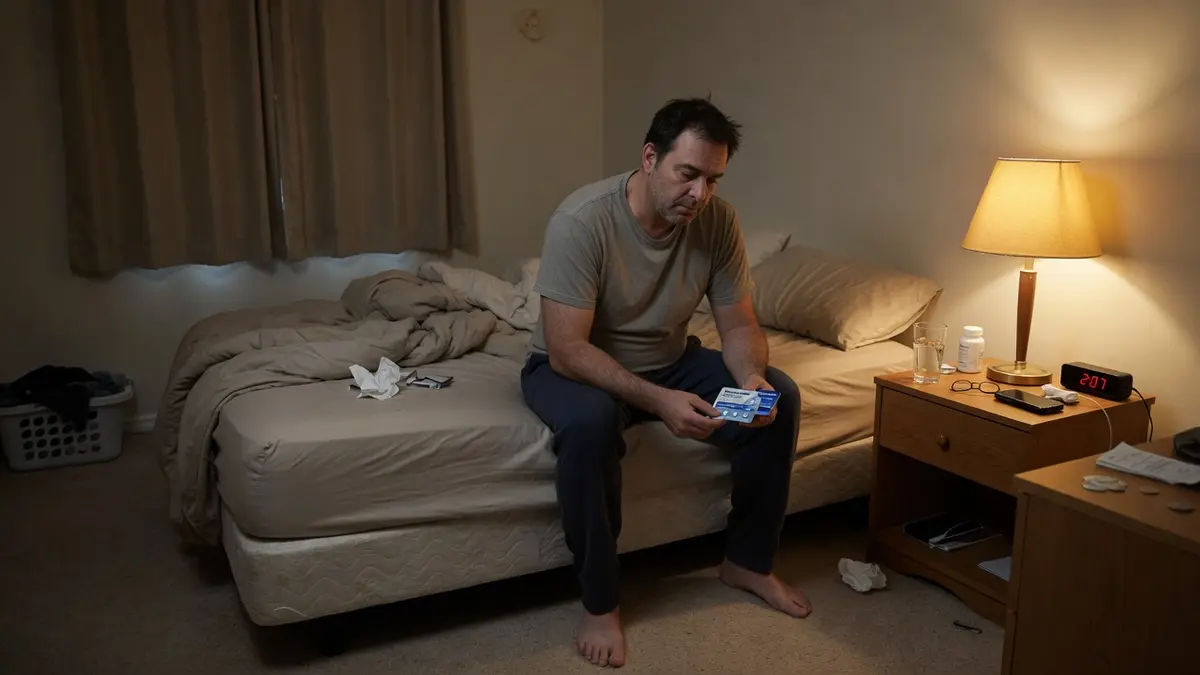

You’ve tried the physical therapy. The cortisone shots wore off faster each time. The anti-inflammatories upset your stomach, and the orthopedic surgeon mentioned knee replacement — but you’re 58, still working, and not ready to spend three months recovering from a major operation. So when you hear about a procedure that might quiet the pain through a tiny catheter in your leg, with no incision into the joint, your ears perk up. That procedure is genicular artery embolization, and it’s gotten a lot of attention lately as a possible middle ground between conservative care and surgery.
Here’s the thing: it’s genuinely interesting, the early research is encouraging, and it’s also newer and less proven than a lot of online enthusiasm would suggest. Both of those things are true at once.
What Is Genicular Artery Embolization?
Genicular artery embolization — often shortened to GAE — is a minimally invasive procedure performed by an interventional radiologist, a doctor who uses imaging to guide treatments through blood vessels. The idea rests on a specific observation about arthritic knees: in osteoarthritis (the “wear-and-tear” form of arthritis where joint cartilage breaks down), the lining of the joint can grow abnormal new blood vessels. These extra vessels are thought to feed inflammation and carry pain-signaling nerves along with them.
GAE works by reducing that abnormal blood flow. The physician threads a thin catheter — usually entering through an artery near the groin or the top of the foot — up to the small arteries that supply the knee joint lining. Then they inject tiny particles, smaller than grains of sand, to block off those overgrown vessels. The goal isn’t to fix the cartilage or rebuild the joint. It’s to calm the inflammation and, with it, the pain.
The whole thing is typically done while you’re awake but sedated, and most people go home the same day.
More Helpful Reads You Might Like:
- When Is Surgery Needed for Endometriosis? 5 Signs Doctors Look For
- 7 Uterine Fibroid Treatment Options—With and Without Surgery
- Why Do I Feel Pain Without Injury? Understanding the Hidden Causes
Who Might Be a Candidate for GAE for Knee Pain?
GAE isn’t a first move. It’s generally considered for people who’ve already worked through the standard options without enough relief. In practice, the people most often evaluated for this non-surgical knee pain treatment share a few features:
- Chronic knee pain from osteoarthritis, usually lasting six months or longer
- Mild to moderate arthritis on imaging — though some studies have included more advanced cases
- Pain that hasn’t responded well to conservative measures like physical therapy, weight management, anti-inflammatory medication, or injections
- A desire to delay or avoid knee replacement, or a medical reason that makes surgery riskier
Tenderness when you press on the affected part of the knee is often a good sign that GAE could target the right area, since the procedure works best when pain maps to a specific region of joint lining inflammation.
Some people aren’t good candidates. Severe “bone-on-bone” arthritis, where the joint is largely destroyed, tends to respond less well — at that point a structural problem needs a structural solution. People with poor circulation in the legs, certain clotting issues, or significant peripheral artery disease may not be suitable either. The only way to know is a proper evaluation, usually including recent imaging and a conversation about what you’ve already tried.
What Does the Latest Research Actually Show?
This is where honesty matters. The early data on GAE is promising, but it’s still early.
Several studies — many of them small and from single centers — have reported that a majority of participants experienced meaningful pain reduction, often within the first month, with improvements lasting a year or more in a good share of cases. Some research has followed patients out to two or three years and found that a portion maintained their relief. People in these studies frequently reported being able to walk farther, sleep better, and rely less on pain medication.
That said, the evidence has real limitations. Many trials didn’t include a comparison group, or the comparison wasn’t blinded — meaning the placebo effect, which is powerful in pain treatment, could account for some of the benefit. Knee procedures are especially prone to this; people often feel better simply from having something done. A few sham-controlled studies (where some participants receive a fake version of the procedure) have been done or are underway, and the results so far are more modest than the open-label studies suggested, though still positive for some patients. The evidence is mixed, and longer, larger, well-controlled trials are still needed before anyone can call GAE a settled standard of care.
So the fair summary: GAE appears to help a meaningful number of people with chronic knee pain, the safety profile looks reasonable, and it’s not a guaranteed fix. Anyone who tells you it definitely works or definitely doesn’t is getting ahead of the science.
How GAE Compares to Other Options
Among the alternatives to knee replacement, GAE occupies an unusual spot. It’s more involved than an injection but far less than surgery. Unlike cortisone, which tends to fade in weeks to months, GAE’s effect — when it works — may last considerably longer because it addresses blood supply rather than just damping inflammation temporarily. And unlike a knee replacement, it doesn’t burn any bridges. If GAE doesn’t help, surgery remains on the table.
What to Expect During and After the Knee Embolization Procedure
The procedure itself usually takes one to two hours. You’ll be given a local anesthetic at the catheter entry site and medication to keep you relaxed. Most people feel little during it. Afterward, you’ll rest for a few hours so the access site can seal, then go home the same day in the large majority of cases.
Recovery is generally quick compared to surgery. Some soreness, mild bruising, or a small area of skin discoloration near the knee is common in the first week or two. A few people notice transient skin changes or temporary numbness as the targeted vessels close down. Most can return to light activity within a day or two, though your physician will give specifics based on your situation.
Pain relief doesn’t always arrive immediately. Some people feel better within days; for others it builds over several weeks as inflammation settles. It’s worth setting expectations: GAE is one of several chronic knee pain treatment options, and it works better as part of an ongoing plan that still includes movement, strength work, and weight management than as a standalone cure.
Risks and Safety
GAE has been reasonably well tolerated in studies, but no procedure is risk-free. Reported side effects are mostly minor: temporary skin discoloration, small areas of numbness, mild bruising, or knee soreness. More serious complications — like injury to surrounding tissue from particles traveling where they shouldn’t, or problems at the access site — are uncommon but possible. The skill and experience of the interventional radiologist matters here, which is a fair question to ask when you’re choosing where to have it done.
When to Seek Medical Care
If you’ve had GAE and develop signs that don’t fit the normal recovery, don’t wait it out. Contact your care team or seek prompt medical attention for:
- Fever, increasing redness, warmth, or drainage at the catheter site, which can signal infection
- Severe or worsening knee pain rather than the expected gradual improvement
- New skin breakdown, dark patches, or blistering over the knee or lower leg
- Numbness, weakness, coldness, or color changes in the foot or leg
- Significant swelling or signs of a clot, such as calf pain and tenderness
And separate from the procedure, if your knee suddenly locks, gives way, or becomes hot and swollen without explanation, that deserves evaluation regardless of any treatment you’re considering.
Is Genicular Artery Embolization Worth Considering for Your Knee Pain?
For the right person — someone with chronic knee osteoarthritis who’s exhausted conservative care, isn’t ready for or can’t have surgery, and has pain that maps to a treatable area — genicular artery embolization is a reasonable thing to ask about. It won’t regrow cartilage, the long-term evidence is still maturing, and it doesn’t help everyone. But it’s minimally invasive, recovery is fast, and it keeps your future options open. A consultation with an interventional radiologist, ideally one who does these regularly and will give you a candid read on your odds, is the practical next step.
Medical Disclaimer: This content is for educational purposes only and does not replace professional medical advice, diagnosis, or treatment. Always consult your physician or a qualified healthcare provider with any questions about a medical condition.
Sources & Further Reading
- PubMed: Safety and Efficacy of Genicular Artery Embolization for Knee Joint Osteoarthritis Associated Pain: A Systematic Review
- PMC / NIH: Genicular Artery Embolization for Knee Osteoarthritis: A Systematic Review of Sham-Controlled Randomized Trials
- PubMed: Society of Interventional Radiology Research Reporting Standards for Genicular Artery Embolization
- Society of Interventional Radiology: New Position Statement Highlights the Growing Role of Genicular Artery Embolization for Knee Osteoarthritis
- NIAMS / NIH: Osteoarthritis — Health Topics Overview