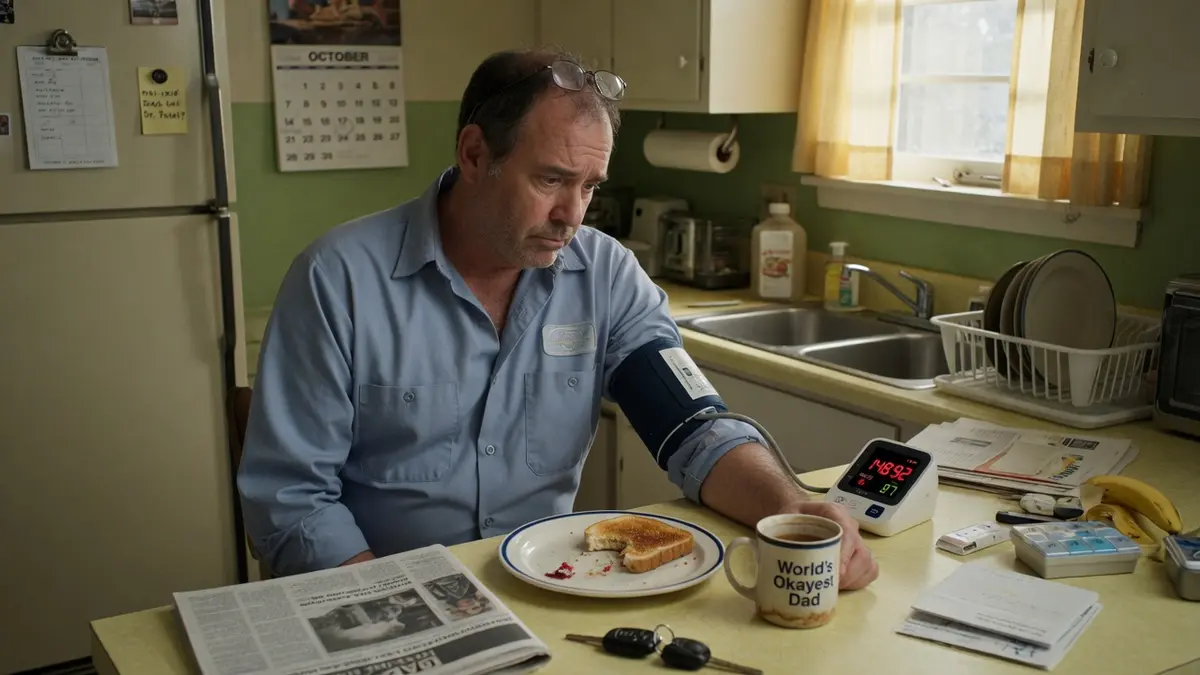

You walk out of the clinic with a reading of 148 over 92, a printout you’ll never look at again, and a vague instruction to “make some lifestyle changes.” No one tells you which changes matter most, or how long you’ll be waiting before the numbers actually move. That gap—between the advice and the timeline—is where most newly diagnosed people get stuck.
So let’s be concrete about how long to lower blood pressure naturally, because the honest answer depends heavily on which change you make. Some shifts nudge your numbers within days. Others take weeks of consistency before they show up on a cuff. Knowing the difference helps you stick with the slow stuff instead of quitting because nothing happened by Friday.
How fast can you lower blood pressure, realistically?
Here’s the thing about blood pressure: it’s not a fixed number. It moves with your stress, your salt, your sleep, even whether you just argued with someone in traffic. That variability cuts both ways. It means a single bad reading isn’t a verdict, and it means some lifestyle changes can show partial effects surprisingly quickly.
Cutting sodium is the fastest mover for many people. Research suggests that reducing salt meaningfully can lower blood pressure within about one to four weeks, and some people notice a difference in the first several days. The catch is that responsiveness varies—roughly half the population is “salt-sensitive,” meaning their pressure climbs and falls more dramatically with sodium intake. If you’re one of them, this single change can be worth several points.
For most other interventions, think in terms of weeks to a few months, not days. The numbers you see at your next appointment usually reflect the habits of the past several weeks far more than what you did yesterday.
More Helpful Reads You Might Like:
- 7 Proven Ways to Increase Testosterone Naturally
- 7 Anti-Inflammatory Foods That May Help Reduce Migraine Attacks
- Best Supplements for Mental Focus: What Actually Works?
The DASH diet: how quickly does diet lower blood pressure?
Among natural ways to reduce high blood pressure, dietary change has some of the strongest evidence behind it. The eating pattern most studied for this is the DASH approach—heavy on vegetables, fruit, whole grains, beans, nuts, and low-fat dairy, with less red meat, sweets, and processed food.
How quickly does diet lower blood pressure? Studies in adults with elevated readings have found measurable drops within about two weeks of consistently following a DASH-style pattern, with fuller effects landing around the six-to-eight-week mark. The reductions can be substantial—comparable in some people to what a starting dose of medication achieves.
A few practical anchors if you’re starting this week:
- Build meals around plants first, then add a protein—rather than the reverse.
- Watch the hidden sodium in bread, deli meat, canned soup, and restaurant food, which contribute far more salt than your saltshaker does.
- Potassium matters too. Foods like leafy greens, beans, bananas, and potatoes help counter sodium’s effect, though anyone with kidney problems should check with a doctor before loading up on potassium.
The mistake people make is treating this as a two-week experiment. The pressure-lowering effect lasts only as long as the eating pattern does. Go back to your old habits, and the numbers drift back too.
Exercise to lower blood pressure: the timeline
Movement is one of the more reliable lifestyle changes for hypertension, and it works through two separate timelines that are easy to confuse.
There’s an immediate effect: a single session of aerobic exercise can lower blood pressure for several hours afterward—sometimes called post-exercise hypotension. That’s real, but temporary.
Then there’s the lasting adaptation, which is what you actually want. Clinical guidelines generally point to a meaningful, sustained reduction after about four to twelve weeks of regular aerobic activity. The exercise to lower blood pressure timeline tends to look like this: small changes you can feel in stamina within two weeks, modest cuff improvements by week four to six, and a steadier benefit settling in by the three-month mark.
The recommended target for most adults is around 150 minutes of moderate activity per week—brisk walking counts—spread across most days. Adding a couple of sessions of strength training appears to help further. You don’t need a gym membership or a heart-rate monitor. Worth knowing: a brisk daily walk, done consistently, outperforms an ambitious plan you abandon after ten days.
What about isometric exercise?
The evidence here has grown interesting. Isometric work—things like wall sits or holding a static position—has shown notable blood pressure benefits in some studies, often within four to eight weeks. It’s not a replacement for aerobic activity, but it may be a useful addition, particularly for people short on time. Anyone with existing heart disease should clear this with a physician first, since holding a contraction can briefly spike pressure.
Weight, alcohol, and sleep: the slower-burning changes
Losing excess weight is one of the most effective long-term moves, but it’s gradual by nature. Research suggests roughly 1 mmHg of reduction for each kilogram (about 2.2 pounds) lost, on average. That means the timeline is tied to your weight-loss pace rather than a calendar—expect weeks to months, building as the pounds come off.
Alcohol is faster. Cutting back from heavy or even moderate-heavy drinking can lower readings within two to four weeks. If you regularly have more than a couple of drinks a day, this is one of the higher-yield changes available, and the effect shows up relatively quickly.
Sleep and stress are harder to put a clean number on. Poor sleep—especially untreated sleep apnea, where breathing repeatedly stops at night—is strongly associated with stubborn high blood pressure. Treating it can help, but that requires diagnosis first. Chronic stress contributes too, and while practices like slow breathing or regular relaxation may help modestly over several weeks, the evidence is more mixed than it is for diet or exercise. Treat these as supporting players, not headliners.
What a realistic combined timeline looks like
Stack these changes together and the effects don’t simply add up in a neat line, but they do reinforce each other. A reasonable expectation for someone making several changes at once:
- Week 1–2: Early movement from reduced sodium and alcohol; some readings start dipping.
- Week 3–6: Diet and exercise effects become more visible on home readings.
- Week 8–12: A clearer, steadier new baseline—usually the picture your doctor sees at a follow-up visit.
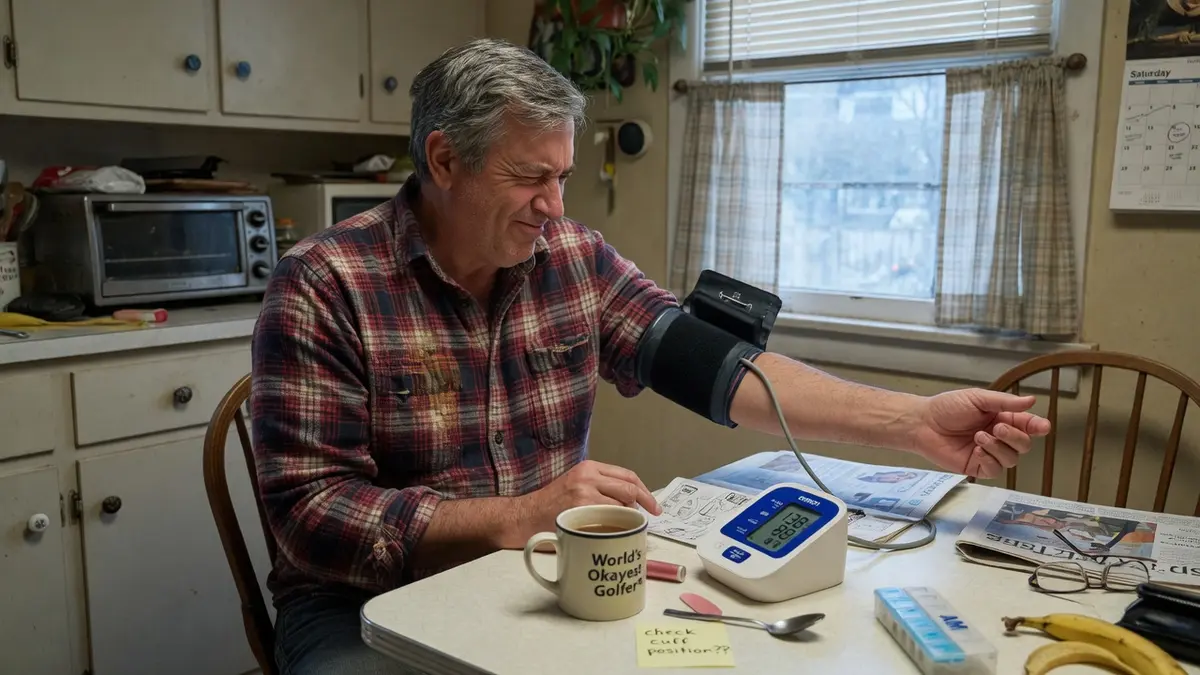
Tracking at home helps enormously here, as long as you do it correctly: same time of day, seated and rested for five minutes, arm supported, two readings a minute apart. One number means little. The trend over weeks is what counts.
When to seek medical care
Lifestyle change is powerful, but it has limits, and some situations need prompt attention rather than patience.
- A reading of 180/120 or higher, especially with chest pain, shortness of breath, vision changes, weakness, or trouble speaking—this warrants emergency care.
- Pressure that stays high after several weeks of genuine effort. That’s not failure; some people simply need medication alongside lifestyle work, and the two aren’t mutually exclusive.
- Symptoms like frequent headaches, dizziness, or a pounding sensation that worry you.
If you’re already on blood pressure medication, don’t stop or adjust it on your own because your home numbers improved. As lifestyle changes take hold, your dose may need to come down—but that’s a conversation to have with your prescriber, not a solo decision.
So how long to lower blood pressure naturally—and what should you do first?
If you want the shortest path, start with sodium and alcohol for early movement, build a DASH-style eating pattern and regular walking for the lasting drop, and give the whole effort a solid eight to twelve weeks before judging the results. That’s the honest window for how long to lower blood pressure naturally in a way that actually sticks. Pick one or two changes you can hold onto rather than overhauling everything for a week and burning out. Consistency, not intensity, is what moves the number.
Medical Disclaimer: This content is for educational purposes only and does not replace professional medical advice, diagnosis, or treatment. Always consult your physician or a qualified healthcare provider with any questions about a medical condition.
Sources & Further Reading
- American Heart Association (Hypertension Journal): Time Course of Change in Blood Pressure From Sodium Reduction and the DASH Diet
- NIH/PMC: The Long-Term Effects of Lifestyle Change on Blood Pressure — One-Year Follow-Up of the ENCORE Study
- PubMed: Physical Activity and Exercise Lower Blood Pressure in Individuals with Hypertension — Narrative Review of 27 RCTs
- Mayo Clinic: 10 Ways to Control High Blood Pressure Without Medication
- American Heart Association (Professional): 2025 High Blood Pressure Guideline — Top Things to Know
- NIH/PMC: Are Lifestyle Interventions in the Management of Hypertension Effective? How Long Should You Wait Before Starting Specific Medical Therapy?