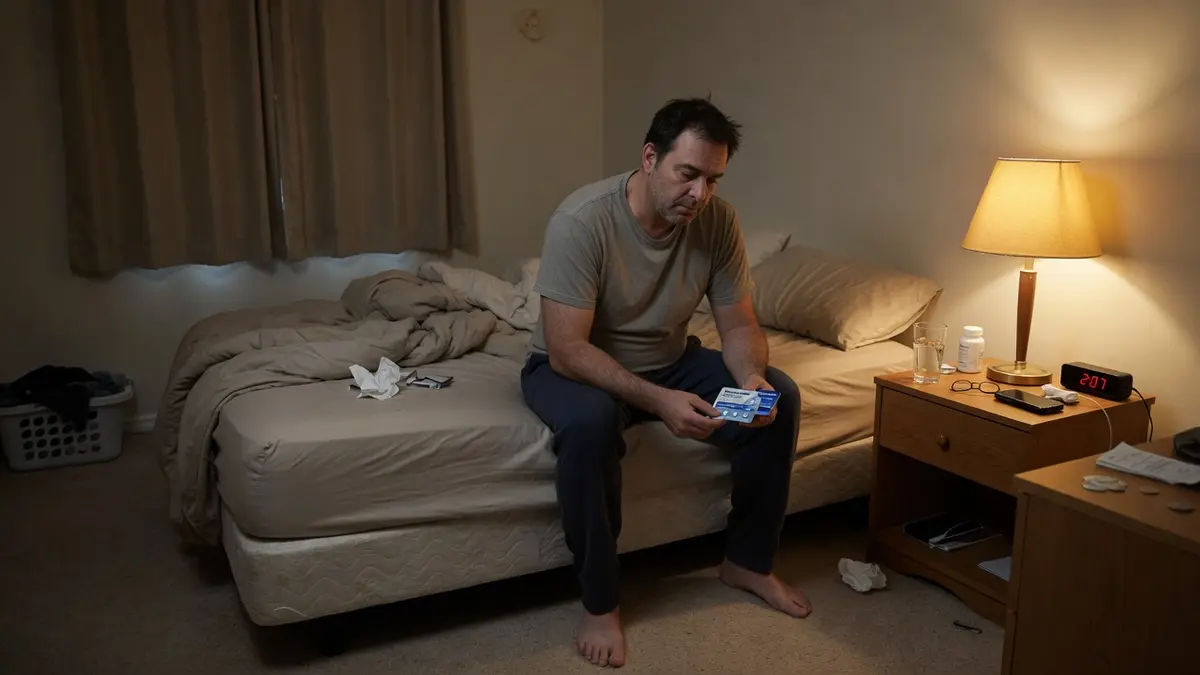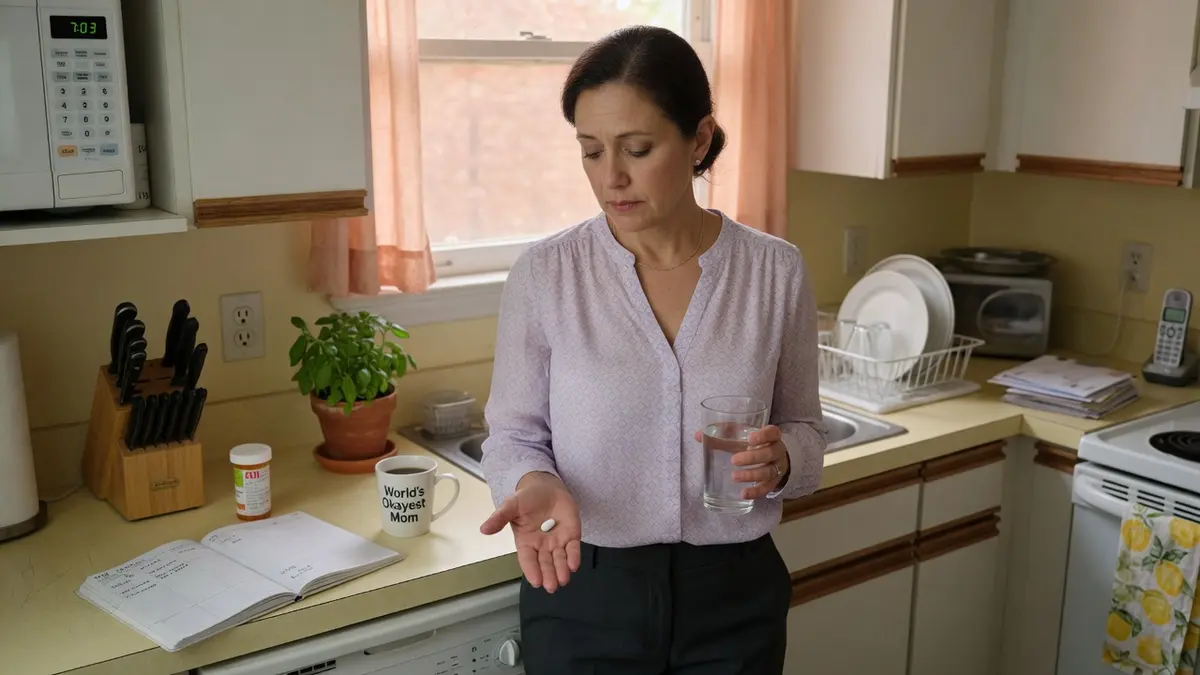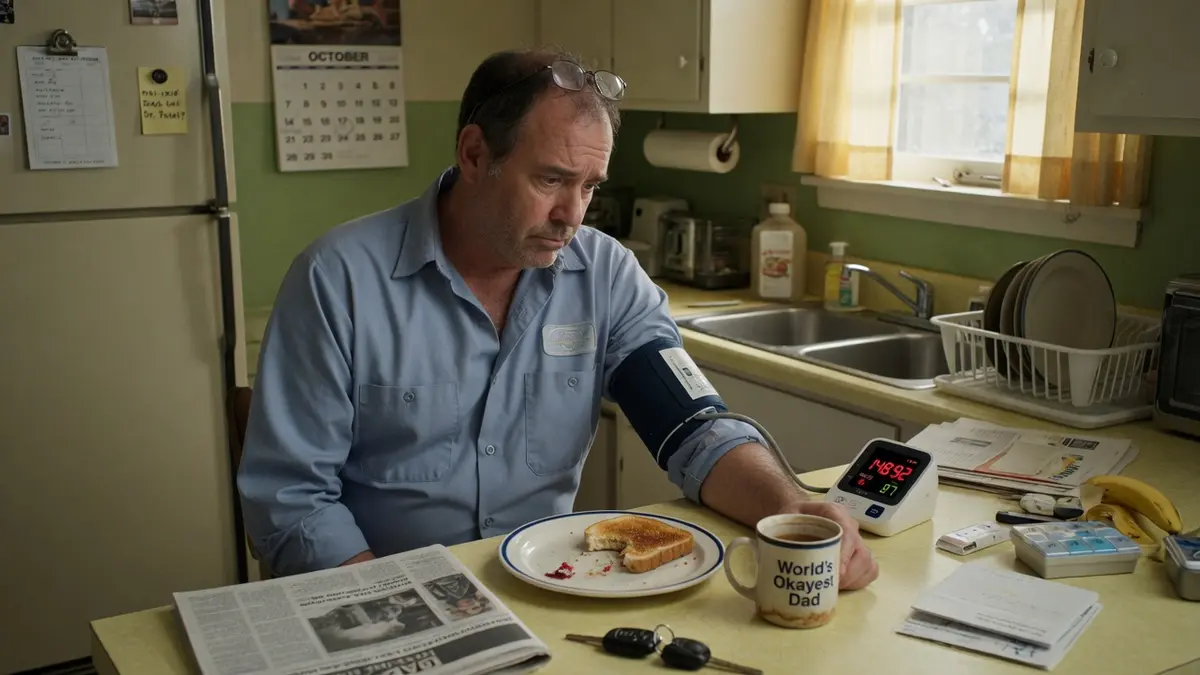

Your mother seemed fine on Tuesday. By Thursday, she’s repeating the same question every few minutes, can’t remember whether she ate lunch, and is irritable in a way that doesn’t match her personality. No fever. No complaints about her bladder. Nothing that looks like an infection at all. And yet, when she finally gets seen, the urine test comes back positive for a urinary tract infection.
This scenario plays out constantly in emergency rooms and assisted living facilities, and it catches families completely off guard. The reason is that UTI symptoms in elderly adults frequently look nothing like the burning, urgency, and frequent bathroom trips that younger people experience. Instead, the first sign is often a sudden shift in thinking or behavior. Knowing why that happens — and what to watch for — can shave critical hours off the time it takes to get help.
Why a UTI hides its usual symptoms as people age
The classic UTI playbook involves a stinging sensation when urinating, a constant feeling of needing to go, and lower belly discomfort. These signals come from the bladder and urethra sending pain messages to the brain. In older adults, several things interfere with that signaling.
As the body ages, the immune response tends to be more muted, so the strong inflammatory reaction that produces burning and urgency may simply be weaker. Nerve sensitivity in the bladder can decline, which means the discomfort doesn’t register the way it once did. Many older adults also have baseline conditions — diabetes, prior strokes, dementia — that dull or scramble these warning signals further. Someone with cognitive decline may feel the discomfort but be unable to describe it.
There’s another layer worth understanding. An infection anywhere in the body places stress on an aging brain, and a brain with less reserve responds to that stress with confusion rather than with a clear, localized complaint. So the bladder infection is real, but the loudest symptom shows up in the mind.
More Helpful Reads You Might Like:
- Foamy Urine: 7 Common Causes and When to Worry
- Can Diabetes Affect Your Kidneys? Early Signs You Shouldn’t Ignore
- 7 Early Signs Your Kidneys May Not Be Working Properly
The atypical UTI symptoms seniors and families tend to miss
When a UTI shows up without the usual urinary clues, it tends to announce itself through changes that are easy to blame on aging, fatigue, or a bad day. That’s exactly why they get overlooked.
The signs caregivers most often report after the fact include:
- Sudden confusion in older adults — disorientation, trouble following a conversation, or not recognizing familiar people or places, appearing over hours or a day or two
- New or worsening agitation, restlessness, or irritability that seems out of character
- Increased drowsiness, withdrawal, or unusual difficulty staying awake
- A sudden change in continence — new leaking or accidents in someone who was previously dry
- Loss of appetite or refusing food and drink
- Unsteadiness, new weakness, or falls that don’t have an obvious cause
- Hallucinations or seeing things that aren’t there, in someone who doesn’t normally experience them
This sudden mental shift has a name: delirium. Delirium from a UTI in elderly patients is an acute, often fluctuating change in attention and awareness — meaning the person may seem clearer in the morning and foggier by evening, then swing back again. That waxing-and-waning quality is one of the things that distinguishes it from the slow, steady decline of dementia.
Why families confuse it with dementia or “just getting older”
Here’s the part that trips people up. When an older adult already has some memory trouble, a UTI can make it dramatically worse very quickly, and the change gets written off as the dementia progressing. The honest answer is that telling the two apart in the moment is genuinely hard, even for clinicians. The clue is speed. Dementia worsens over months and years. A UTI-related change tends to arrive over a day or two. If someone declines noticeably and fast, an infection is one of the first things worth ruling out.
What UTI confusion in elderly adults actually feels like to watch
Caregivers describe it in remarkably consistent ways. A parent who was sharp on the phone last week now can’t track the thread of a sentence. A spouse who normally sleeps lightly is suddenly hard to rouse. Someone gentle becomes combative during routine tasks like dressing or bathing.
The behavior change is the message. An aging brain under the stress of infection doesn’t have many ways to signal that something’s wrong, so it reaches for the tools it has — and those tools look like confusion, mood shifts, and changes in alertness. When you reframe the behavior as a possible symptom rather than a personality problem or stubbornness, you respond very differently.
When to seek medical care
Any sudden, unexplained change in thinking, alertness, or behavior in an older adult deserves a medical evaluation, ideally the same day. A UTI is one possible cause among several — dehydration, medication side effects, a new infection elsewhere, or other illnesses can produce similar changes — which is exactly why it needs to be checked rather than assumed.
Seek emergency care right away if the person shows any of the following:
- A fever along with confusion, especially a temperature above 100.4°F
- Shaking chills, a racing heart, rapid breathing, or clammy skin
- Severe drowsiness or difficulty waking
- Back or flank pain (the area below the ribs, toward the sides), which can signal the infection has reached the kidneys
- Very low urine output, or no urination, over many hours
These can be signs that an infection is spreading into the bloodstream, a serious condition that needs treatment quickly. Older adults can deteriorate faster than younger people, and the absence of a high fever doesn’t rule out something serious — their bodies may not mount a strong fever response at all.
What to do before and during the visit
A few practical steps make the appointment more useful:
- Write down when the change started and how fast it came on — this timeline is one of the most valuable things you can hand a clinician
- Bring a current list of all medications, including over-the-counter products and supplements
- Note any recent changes: less fluid intake, a fall, a new prescription, a recent hospital stay, or a catheter
- Mention whether this kind of confusion has happened before and what caused it then
One caution worth flagging. A positive urine test alone doesn’t always mean a UTI is causing the symptoms. Many older adults, particularly women and those in long-term care, carry bacteria in the urine without an active infection — a situation called asymptomatic bacteriuria. Clinical guidelines generally recommend against treating it with antibiotics when there are no symptoms, because unnecessary antibiotics carry their own risks. That’s why the clinician weighs the whole picture, not just the lab result. It’s a reasonable question to ask: “Are we treating an infection, or just treating a test?”
How to spot UTI symptoms in elderly loved ones before things escalate
The most reliable strategy is knowing the person’s baseline well enough to notice when something shifts. Elderly UTI without typical symptoms is common, so waiting for burning or urgency that may never appear can cost valuable time. Trust the behavioral changes. Sudden confusion, new agitation, unusual sleepiness, or a fresh round of falls in an older adult are worth taking seriously on their own, even when nothing about the bladder seems off. Hydration helps, regular toileting helps, and prompt evaluation of any abrupt mental change helps most of all.
If a parent or patient suddenly isn’t acting like themselves, the right move isn’t to wait and see whether it passes. It’s to get them checked — quickly, and without apology for being cautious.
Medical Disclaimer: This content is for educational purposes only and does not replace professional medical advice, diagnosis, or treatment. Always consult your physician or a qualified healthcare provider with any questions about a medical condition.
Sources & Further Reading
- PMC / NIH: Urinary Tract Infection Induced Delirium in Elderly Patients: A Systematic Review
- PMC / NIH: Urinary Tract Infection in Older Adults (Prevalence, Diagnosis, and Management Review)
- PMC / NIH: Urinary Tract Infection-Related Delirium in Alzheimer’s Disease and Related Dementias: Clinical Challenges and Translational Opportunities
- PMC / NIH: Associations of Delirium with Urinary Tract Infections and Asymptomatic Bacteriuria in Adults Aged 65 and Older: A Systematic Review and Meta-Analysis
- CDC: Urinary Tract Infection Basics