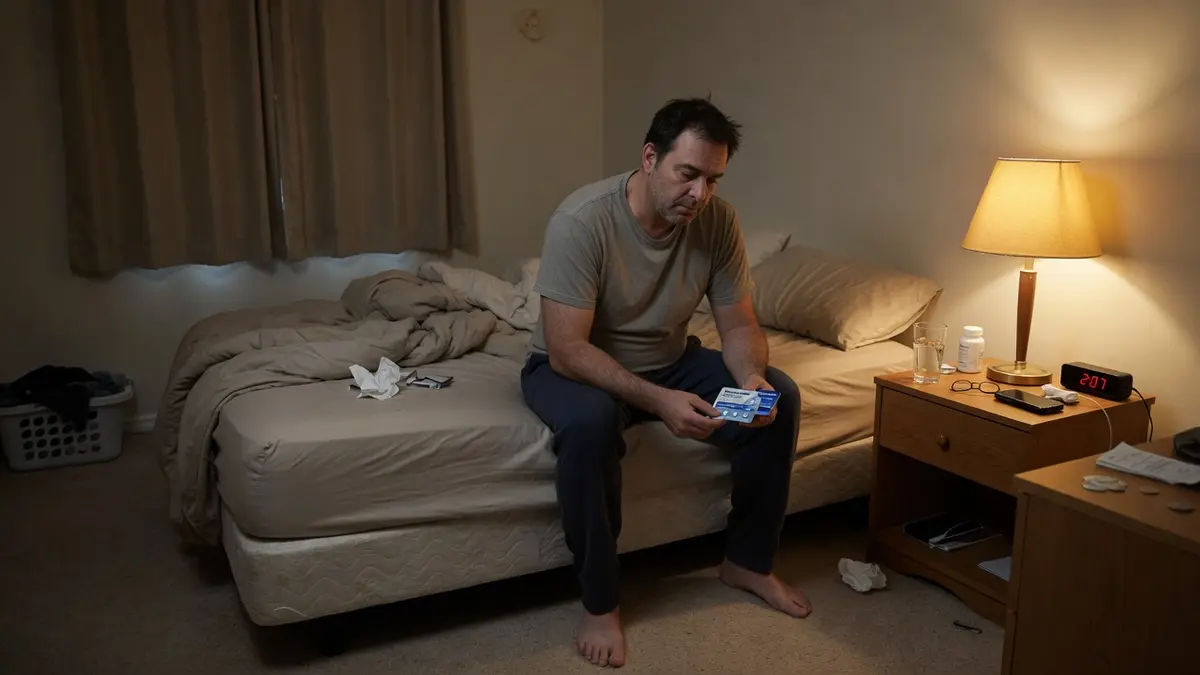

You unbox a new monitor, wrap the cuff around your arm, press start, and two numbers flash on the screen — say, 128 over 82. Then what? For a lot of people, that’s the moment the confusion starts. Is that good? Bad? Should you call someone? And while you were shopping, the product page threw around terms like “oscillometric technology,” “IHB detection,” and “clinically validated” as if you were supposed to already know what those meant.
Let’s clear all of that up. Understanding what to look for in a blood pressure monitor really comes down to two things: knowing what the numbers represent, and knowing which of the dozen features manufacturers advertise actually affect whether you get a reading you can trust.
What the two numbers on a blood pressure monitor actually mean
Blood pressure is written as one number over another — like 120/80 — and each number tells you something different about what your heart and arteries are doing.
The top number is your systolic pressure. That’s the pressure inside your arteries during the moment your heart squeezes and pushes blood out. It’s the higher of the two because that’s the peak — the hardest push.
The bottom number is your diastolic pressure. That’s the pressure in your arteries while your heart relaxes and refills between beats. It’s lower because nothing is actively pumping in that instant.
Here’s the systolic and diastolic numbers explained in a way that tends to stick: think of a garden hose. When you turn the spigot fully open, the pressure spikes — that’s systolic. When you ease it back to a trickle, there’s still some pressure in the hose, but less — that’s diastolic. Both matter, and clinical guidelines pay attention to both.
How to read your blood pressure monitor results
General categories used in U.S. guidelines look roughly like this:
- Normal: below 120 systolic and below 80 diastolic.
- Elevated: 120–129 systolic and below 80 diastolic.
- Stage 1 high blood pressure: 130–139 systolic or 80–89 diastolic.
- Stage 2 high blood pressure: 140 or higher systolic or 90 or higher diastolic.
A single high reading doesn’t define you. Blood pressure naturally bounces around throughout the day — it’s higher after coffee, after climbing stairs, when you’re stressed, even when you have a full bladder. What your doctor cares about is the pattern across many readings, which is exactly why home monitoring is useful in the first place. One number on one morning is a snapshot, not a diagnosis.
Many monitors also display a third number: your pulse, or heart rate. That’s not blood pressure, but it’s handy to have. Some show a small heart or irregular-rhythm symbol if the device detects an uneven heartbeat during the reading. That symbol is a prompt to mention it to your doctor — not a diagnosis of anything.
More Helpful Reads You Might Like:
- Do Healthy Adults Need Heart Screening? What Really Matters
- When Is Surgery Needed for Endometriosis? 5 Signs Doctors Look For
- Constipation and Fatigue: What Your Body May Be Trying to Tell You
What to look for in a blood pressure monitor when you’re actually shopping
Now for the part the marketing copy makes harder than it needs to be. Most of the features on the box fall into one of three buckets: things that genuinely affect accuracy, things that affect convenience, and things that are mostly noise.
Accuracy comes first — and it starts with the cuff
Blood pressure monitor accuracy depends more on a few unglamorous details than on any flashy feature. The single most important one is clinical validation. Look for language indicating the device has been tested against a recognized validation protocol. A validated device has been checked to confirm its readings line up reasonably with what a trained professional would measure. Plenty of cheap monitors skip this entirely, and there’s no way to eyeball accuracy from your kitchen table.
The second detail is cuff size. A cuff that’s too small reads artificially high; one that’s too large can read low. Measure around your upper arm at the midpoint between your shoulder and elbow before buying, then match it to the cuff range listed for the device. This is one of the most common reasons home readings don’t match the doctor’s office, and it has nothing to do with the electronics.
Upper-arm vs. wrist monitors
For most people, an upper-arm monitor is the better choice. Wrist monitors can be accurate, but they’re far more sensitive to position — your wrist has to be exactly at heart level, and small errors there throw the numbers off noticeably. Upper-arm cuffs are more forgiving and are what most clinical guidelines lean toward for home use. A wrist model can make sense if a standard cuff doesn’t fit comfortably or an upper-arm reading is painful, but it’s not the default pick.
Home blood pressure monitor features worth paying for
Once accuracy is covered, a handful of conveniences genuinely improve whether you’ll actually use the thing:
- A large, clear display. Sounds obvious, but a backlit screen with big digits matters a lot if your eyesight isn’t perfect or you’re checking readings early in the morning.
- Memory storage. A monitor that saves past readings, ideally with the date and time, makes it far easier to show your doctor a real trend instead of numbers scribbled on a notepad.
- Multiple-user profiles. Useful if two people in a household share one device and want separate records.
- Averaging mode. Some monitors take two or three readings in a row and average them automatically. Since guidelines often suggest averaging multiple readings, this is a quietly valuable feature.
Features that sound impressive but matter less
Smartphone app connectivity is nice if you’ll genuinely use it, but a monitor isn’t more accurate just because it syncs to your phone. Plenty of people set up the app once and never open it again. Same goes for elaborate color-coded risk indicators — they’re fine, but they don’t change the underlying measurement. And “hospital-grade” or “professional” stamped on a box means nothing on its own without actual validation behind it. The honest answer is that a well-validated, properly sized, simple upper-arm monitor often outperforms a flashier one loaded with extras.
What the best blood pressure monitor for home use has in common
Strip away the marketing and the strongest options tend to share the same short list: clinical validation, the correct cuff size for your arm, an upper-arm design, an easy-to-read display, and enough memory to track trends over time. Get those right and you’ve covered most of what genuinely affects the quality of your readings. Everything else is preference.
Getting an accurate reading at home
Even the best device gives bad numbers if you use it wrong. A few habits make a real difference:
- Sit quietly for about five minutes first, back supported, feet flat on the floor.
- Rest your arm on a table so the cuff sits at roughly heart level.
- Avoid caffeine, exercise, and smoking for about 30 minutes beforehand.
- Don’t talk during the measurement, and empty your bladder first.
- Take readings around the same times each day, and consider doing two readings a minute apart.
When to seek medical care
Home monitoring is meant to inform, not to replace your doctor. Bring your readings to your next appointment if they’re consistently elevated, and ask whether your technique and cuff size check out.
Some situations call for prompt attention. A reading of 180/120 or higher, especially if it repeats after a few minutes of rest, warrants contacting a healthcare provider quickly. If a very high reading comes with chest pain, shortness of breath, sudden weakness or numbness, trouble speaking, vision changes, or a severe headache, treat it as an emergency and seek immediate care. Those symptoms paired with high pressure aren’t something to monitor at home.
Medical Disclaimer: This content is for educational purposes only and does not replace professional medical advice, diagnosis, or treatment. Always consult your physician or a qualified healthcare provider with any questions about a medical condition.
Sources & Further Reading
- American Heart Association: Understanding Blood Pressure Readings
- American Heart Association: Monitoring Your Blood Pressure at Home
- CDC: Measuring Your Blood Pressure
- Mayo Clinic: Blood Pressure Chart — What Your Reading Means
- PMC / JAMA Internal Medicine: Effects of Cuff Size on the Accuracy of Blood Pressure Readings — The Cuff(SZ) Randomized Crossover Trial