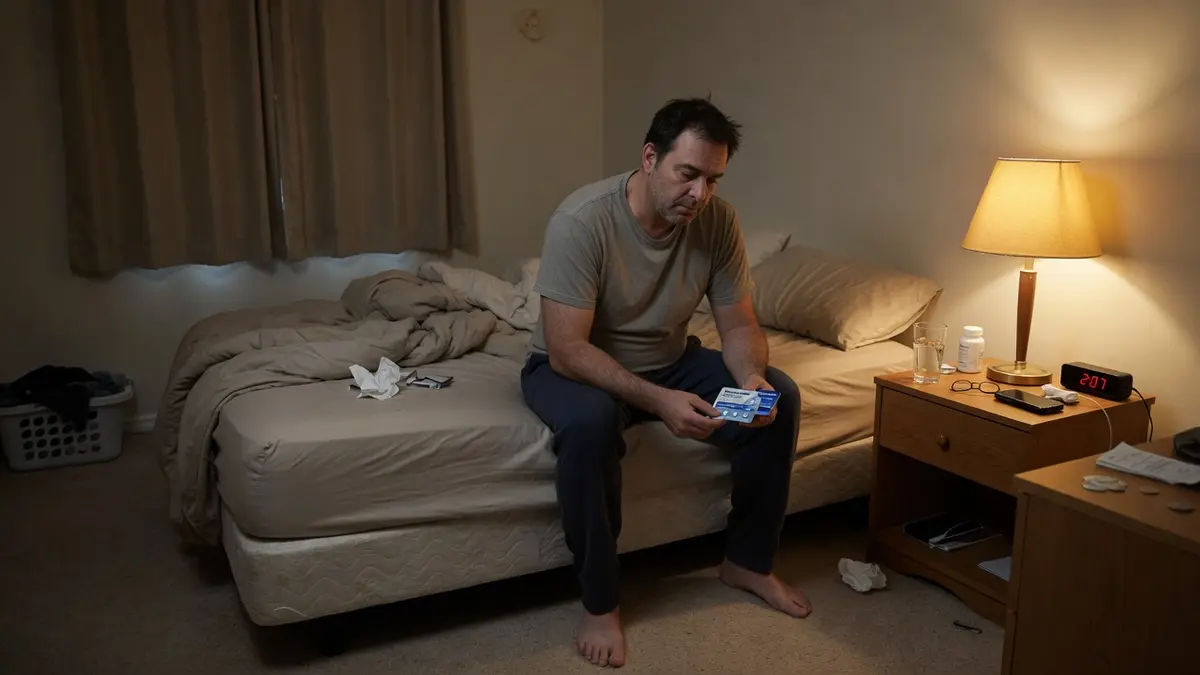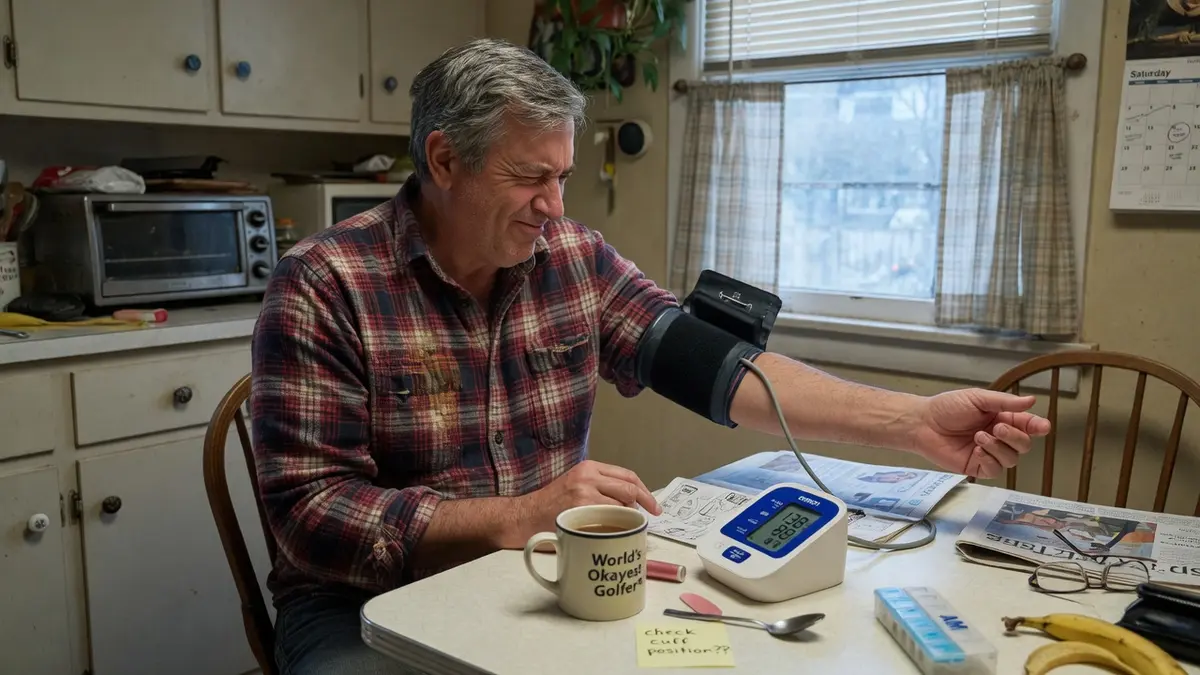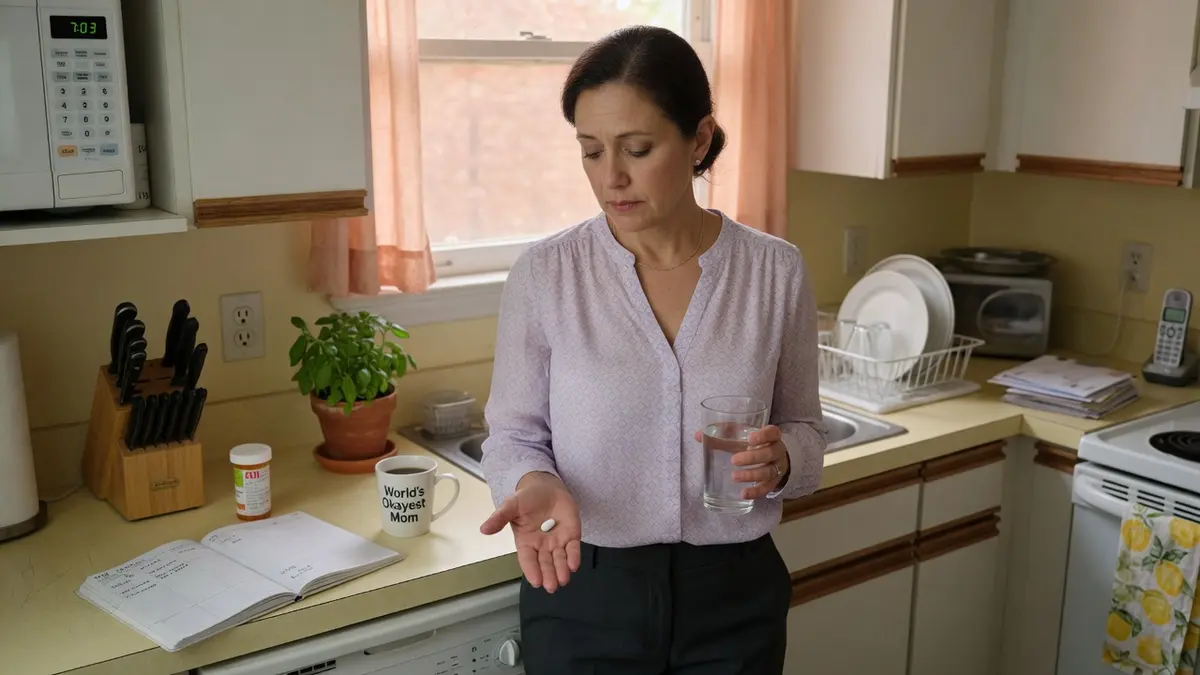

A wife notices her husband’s voice has gone quiet at dinner — not whispering, exactly, but soft enough that she keeps asking him to repeat himself, and he insists he’s speaking normally. A grandfather signs a birthday card and the writing crowds into a tiny corner of the space. A man in his late fifties realizes he hasn’t really smelled coffee in months, maybe longer, and he can’t pin down when it started. None of these people are shaking. And yet, in hindsight, some of them were showing the earliest signs of Parkinson’s disease.
When most folks picture Parkinson’s, they picture the tremor — that rhythmic shaking of a hand at rest. It’s the symptom that shows up in movies and on the news. But the early signs of Parkinson’s besides tremors are often the ones that arrive first, sometimes years before any shaking appears, and they’re easy to brush off as aging, stress, or just having an off month.
Why the first signs often aren’t shaking at all
Parkinson’s develops gradually as certain nerve cells in the brain decline, and the changes don’t all happen at once. The brain regions that control smell, sleep, mood, and automatic functions like digestion can be affected before the motor systems that produce visible tremors. That’s why the so-called non-motor symptoms of Parkinson’s — the ones that don’t involve obvious movement problems — sometimes come first.
Here’s the honest part: none of these signs on their own means a person has Parkinson’s. A stuffy nose dulls your sense of smell. Plenty of people sleep poorly. Handwriting changes with arthritis. The signs become meaningful when several show up together, persist, and don’t have an obvious explanation. That’s the pattern worth paying attention to.
More Helpful Reads You Might Like:
- 7 Early Signs Your Kidneys May Not Be Working Properly
- Vitamin B12 Deficiency: 7 Early Signs You Shouldn’t Ignore
Loss of smell, mood changes, and sleep clues
A fading sense of smell
Reduced ability to smell — doctors call it hyposmia — is one of the most studied early markers. Loss of smell in Parkinson’s tends to be gradual and steady, not the sudden drop you’d get from a cold or a sinus infection. Some people lose the ability to detect specific scents like bananas, licorice, or dill. Others just notice that food tastes flat because so much of taste depends on smell.
Research suggests that a diminished sense of smell can appear years before motor symptoms in a meaningful share of people who later develop Parkinson’s. That said, plenty of people with poor smell never develop the disease at all — allergies, nasal polyps, past head injuries, and normal aging all play a role. It’s a clue, not a verdict.
Acting out dreams during sleep
One of the more striking early Parkinson’s warning signs is a sleep disorder called REM sleep behavior disorder. Normally, your body is essentially paralyzed during dreaming sleep so you don’t physically act out what’s happening in your dreams. In REM sleep behavior disorder, that paralysis doesn’t work properly, so people may kick, punch, shout, or even leap out of bed while still asleep.
Bed partners usually notice this before the sleeper does. It can be alarming, and sometimes it leads to injuries. This particular sign carries more weight than most — studies following people with this sleep disorder have found that a substantial number go on to develop Parkinson’s or a related condition over the years. If this is happening regularly, it’s worth a conversation with a doctor.
Depression, anxiety, and a flatter mood
Mood changes can be among the subtle signs of Parkinson’s disease, partly because the same brain chemistry that affects movement also affects mood. Some people develop depression or anxiety months or years before any physical symptoms. This one’s tricky, because depression is common for many reasons, and feeling low doesn’t point to Parkinson’s by itself. But when low mood arrives alongside other changes on this list, it’s part of the picture.
Constipation that won’t quit
Parkinson’s can affect the nerves that control the gut, and chronic constipation — the kind that’s new, persistent, and not explained by diet or medication — is often associated with the disease’s early phase. Like the others, it’s extremely common on its own, so it only matters in context.
The quiet movement changes people miss
Some early signs do involve movement, just not the dramatic kind. They’re easy to chalk up to getting older.
- Smaller handwriting. Known as micrographia, this is handwriting that becomes cramped and shrinks as you write across the page. A signature that used to be loose and large may tighten up over time.
- A softer voice. Speech may become quieter, more monotone, or slightly slurred. The person often doesn’t hear it themselves — they feel like they’re talking normally while everyone around them strains to listen.
- Reduced facial expression. Sometimes called facial masking, this is a face that moves less, so a person can look serious, sad, or detached even when they feel fine.
- Stiffness and slowness. Muscle stiffness, a feeling that one arm doesn’t swing when walking, or a general sense of moving more slowly can all show up early. Many people assume it’s arthritis or just age.
- Smaller steps and a slight stoop. A shuffling quality to the walk or a posture that’s beginning to lean forward can be subtle early changes.
One detail that helps separate Parkinson’s from ordinary aging: these symptoms often start on one side of the body. A single stiff arm, a tremor in one hand, reduced swing on one side when walking. Aging tends to affect both sides fairly evenly. Asymmetry is a meaningful clue.
When to seek medical care
There’s no need to panic over a single symptom. But it’s reasonable to talk with a doctor if you or someone close to you notices several of these changes together, especially if they’re getting worse over time. Pay particular attention when:
- A loss of smell develops gradually without a clear cause like allergies or a recent illness.
- Someone regularly acts out dreams, shouts, or moves violently in their sleep.
- Handwriting is shrinking, speech is getting softer, or movements feel stiffer on one side of the body.
- Several of these signs appear around the same stretch of time.
A primary care doctor is a fine place to start. If the picture is concerning, the next step is usually a neurologist — a doctor who specializes in the brain and nervous system. Parkinson’s doesn’t show up on a simple blood test or scan; diagnosis relies heavily on a careful exam and history. That’s exactly why noticing these earlier, quieter signs can matter. The more detail you can bring, the better.
A practical tip: keep a short written log. Note what you’re seeing, roughly when it started, and whether it’s affecting one side of the body. Family members often spot patterns the affected person can’t, so bringing someone who knows you well to the appointment helps.
Why catching the early signs of Parkinson’s besides tremors is worth it
Recognizing Parkinson’s symptoms without shaking won’t change the underlying biology, and these signs are not proof of anything on their own. What earlier awareness offers is time — time to get an accurate evaluation, rule out other causes, and start treatment and physical activity that can help people stay functional and comfortable for longer. Exercise in particular has solid evidence behind it for people with Parkinson’s, and starting sooner is generally better than starting later.
So if a fading sense of smell, restless sleep, a shrinking signature, and a voice that keeps getting quieter all seem to be showing up in the same person, that combination is worth mentioning to a doctor. Not because it confirms a diagnosis, but because it’s the kind of pattern that deserves a real look rather than a shrug.
Medical Disclaimer: This content is for educational purposes only and does not replace professional medical advice, diagnosis, or treatment. Always consult your physician or a qualified healthcare provider with any questions about a medical condition.
Sources & Further Reading
- PubMed: Identifying Prodromal Parkinson’s Disease: Pre-Motor Disorders in Parkinson’s Disease
- Johns Hopkins Medicine: Parkinson’s Disease Q&A About Early Warning Signs
- Parkinson’s Foundation: 10 Early Signs of Parkinson’s Disease
- National Institute of Neurological Disorders and Stroke (NINDS): Parkinson’s Disease
- Mayo Clinic: Parkinson’s Disease – Symptoms and Causes