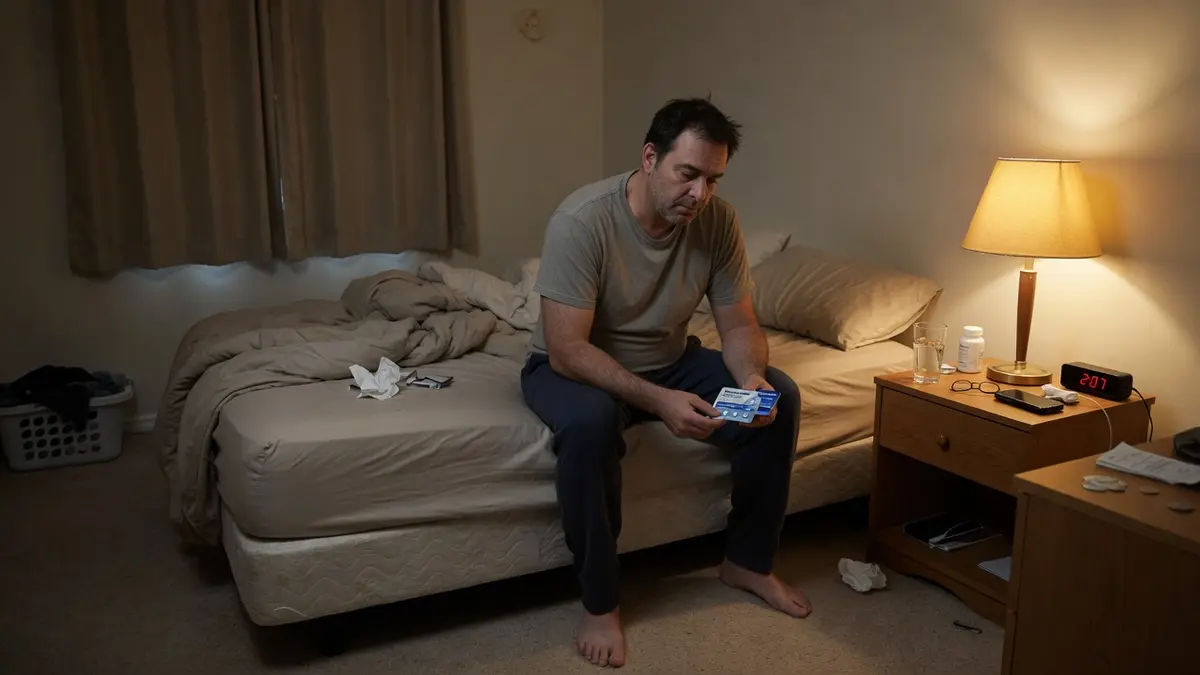
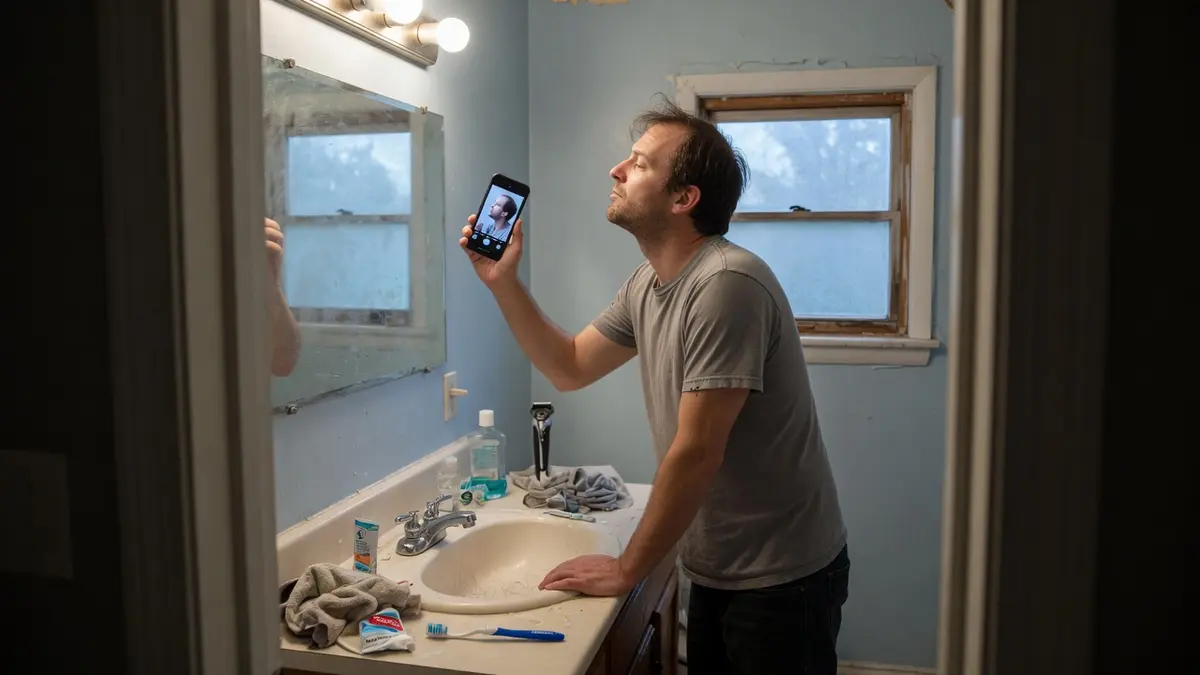
You towel off after a shower, glance in the mirror, and the light hits your scalp a little differently than it used to. Maybe the corners of your hairline have crept back. Maybe your part looks wider in photos. Maybe your barber paused over the crown and you’ve been thinking about it ever since. This is one of the most common reasons men in their early thirties book a dermatology appointment, and the worry is almost always the same: is this going to keep going, and is there anything that actually stops it?
Hair thinning at 30 in a male is rarely sudden, even though it can feel that way the day you finally notice it. The honest answer is that the process usually starts years before it’s visible — and that’s also the reason early action matters so much.
Why Hair Thinning at 30 Happens to So Many Men
The most common cause by a wide margin is androgenetic alopecia — what most people call male pattern baldness. It’s driven by a mix of genetics and hormones, specifically your hair follicles’ sensitivity to dihydrotestosterone (DHT), a byproduct of testosterone. In men prone to it, DHT gradually shrinks certain follicles in a process called miniaturization. Each new hair grows back a little finer, a little shorter, until eventually the follicle stops producing visible hair at all.
Here’s the thing about timing: early male pattern baldness doesn’t wait for middle age. Research suggests a meaningful share of men show some degree of patterned hair loss by their thirties, and a smaller group notices it in their twenties. Thirty just happens to be the age when a lot of men finally compare current photos to old ones and realize the trend isn’t their imagination.
The pattern itself is a clue. Male pattern loss tends to follow a predictable map — the temples recede, the hairline takes on more of an M shape, and the crown thins from the top. The sides and back are usually spared, because those follicles aren’t as sensitive to DHT. That’s also why hair transplants work: surgeons move resistant follicles into thinning zones.
Genetics load the gun here. If your father, grandfathers, or maternal relatives went thin early, your odds go up. But genes aren’t the whole story, and that’s actually good news, because some of the accelerating factors are within your control.
What Can Speed Up Hair Loss in Your 30s
Not every cause of hair loss in your 30s is genetic, and some everyday factors can make patterned thinning look and feel worse:
- Significant stress. Major physical or emotional stress can trigger telogen effluvium, a temporary shedding where more hairs than usual shift into the resting phase and fall out a few months later.
- Nutritional gaps. Low iron, low vitamin D, and crash dieting are associated with increased shedding in some people.
- Thyroid problems. Both an underactive and overactive thyroid can affect hair growth.
- Poor sleep and chronic stress hormones. The evidence here is less direct, but they don’t help.
- Certain medications. Some drugs list hair loss as a side effect — worth reviewing with your doctor if your thinning started after a new prescription.
None of these typically cause the classic receding-and-crown pattern on their own. But layered on top of genetic thinning, they can make a slow process feel like it suddenly sped up.
More Helpful Reads You Might Like:
- Can Thyroid Hair Loss Explain Your Hair Thinning?
- 7 Evidence-Based Zinc Benefits—And Who May Need Supplements
How to Tell What’s Normal Shedding and What Isn’t
Losing somewhere around 50 to 100 hairs a day is normal. You’ll never count them, so that number isn’t very useful in practice. More telling is what you actually see over weeks and months.
A few signs point more toward patterned thinning than ordinary shedding:
- Your part looks wider than it did a year ago.
- The crown shows more scalp under bright or overhead light.
- Your hairline is receding at the temples in that familiar M shape.
- Individual hairs feel finer or shorter than the rest.
If hair is coming out in clumps, falling out in patches, or your scalp is red, itchy, scaling, or painful, that’s a different situation — and it’s a reason to see a doctor rather than reach for an over-the-counter product. Patchy, well-defined bald spots in particular can signal alopecia areata, an autoimmune condition that’s treated very differently from male pattern baldness.
Treatments for Thinning Hair in Men That Actually Have Evidence
This is the part worth being honest about: most of what gets marketed to men with thinning hair doesn’t do much. Caffeine shampoos, biotin gummies in people who aren’t deficient, laser combs with thin evidence, expensive “scalp detox” routines — they sell well and rarely deliver. The treatments with real, repeated data behind them are a short list.
Minoxidil
Minoxidil is a topical solution or foam you apply to the scalp, available without a prescription. It can prolong the growth phase of hair and may help some follicles produce thicker hairs. It doesn’t work for everyone, and it works best on the crown. The catch most people don’t expect: results take three to six months to show, and the benefit only lasts as long as you keep using it. Stop, and you gradually lose what you gained over the following months.
Finasteride
Finasteride is a prescription pill that lowers DHT levels, targeting the actual driver of male pattern baldness rather than just the symptom. Clinical studies have found it can slow progression and, in a portion of men, partially regrow hair, especially when started early. It’s generally well tolerated, but a small percentage of men report sexual side effects such as reduced libido. These usually resolve after stopping, and the overall rate is low — still, it’s a real conversation to have with a doctor rather than a decision to make alone.
Combining treatments and what comes next
Many men use minoxidil and finasteride together, and the combination tends to outperform either one alone. For more advanced loss, hair transplantation can restore density in specific areas by relocating DHT-resistant follicles, though it’s a surgical procedure with real cost and recovery. Platelet-rich plasma (PRP) injections are increasingly offered, but the evidence is mixed and far less established than the two main medications.
The single most important factor in any of this is how early you start. Treatments are far better at protecting the hair you still have than at reviving follicles that have already gone dormant. That’s the real reason noticing thinning at 30 — and acting on it — beats waiting until 40 to take it seriously.
When to See a Doctor About Hair Loss
Plenty of men manage early thinning with over-the-counter minoxidil and never need more. But a few situations genuinely warrant a professional opinion:
- The loss is rapid, patchy, or doesn’t follow the usual pattern.
- You have other symptoms — fatigue, weight changes, or scalp irritation — alongside the shedding.
- You’re considering finasteride and want to weigh the risks and benefits properly.
- Over-the-counter options aren’t helping after six months of consistent use.
A dermatologist can confirm whether what you’re seeing is male pattern thinning or something else entirely, run basic bloodwork if needed, and help you build a plan that matches how aggressive your loss actually is. Self-diagnosing from search results is easy; getting the cause right is what makes the treatment work.
What to Actually Do If Your Hair Is Thinning at 30
If you’re a male noticing hair thinning at 30, the practical move is straightforward: take a few honest photos in good lighting now so you have a baseline, get a clear sense of your pattern, and decide whether you want to start a proven treatment early or simply monitor. Skip the supplements and gimmicks unless a doctor finds a specific deficiency. If you go the medication route, give it a full six months before judging results, and understand that consistency — not the product itself — is usually what separates the men who keep their hair from the men who don’t.
Medical Disclaimer: This content is for educational purposes only and does not replace professional medical advice, diagnosis, or treatment. Always consult your physician or a qualified healthcare provider with any questions about a medical condition.
Sources & Further Reading
- NIH StatPearls: Androgenetic Alopecia
- NIH Endotext: Male Androgenetic Alopecia
- PMC: Study of the International Epidemiology of Androgenetic Alopecia in Young Caucasian Men Using Photographs From the Internet
- PMC: Androgenetic Alopecia: An Update
- PMC: Comparative Efficacy of Minoxidil and 5-Alpha Reductase Inhibitors Monotherapy for Male Pattern Hair Loss: Network Meta-Analysis
- NIH StatPearls: Telogen Effluvium