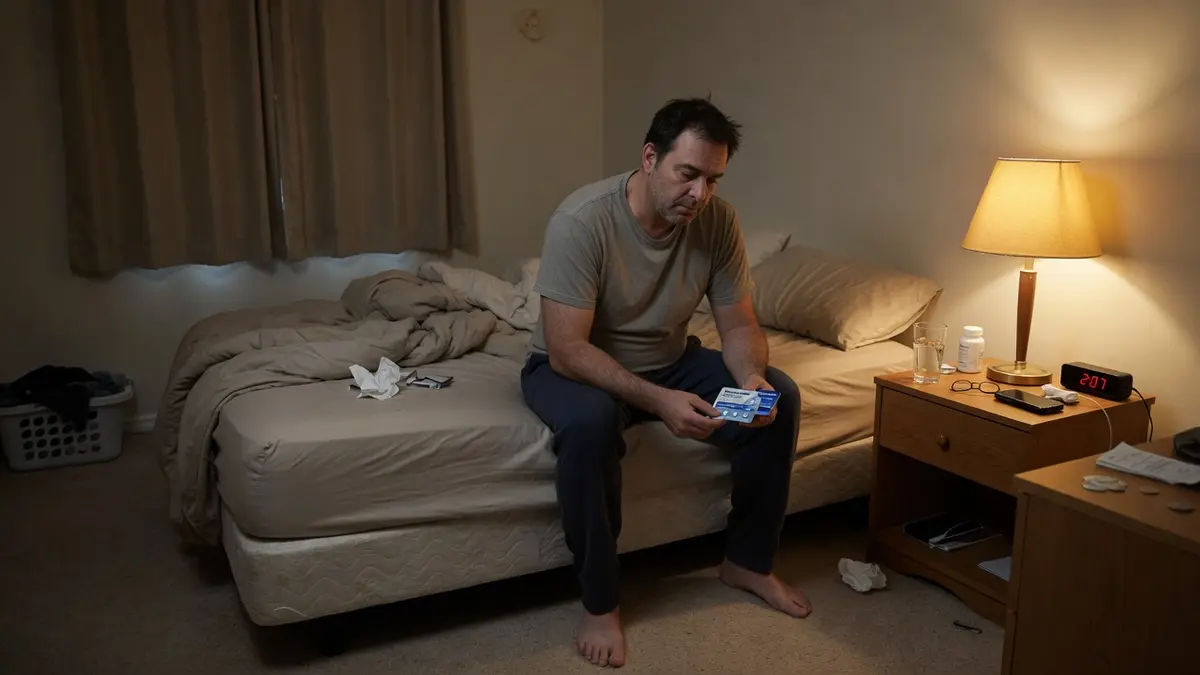
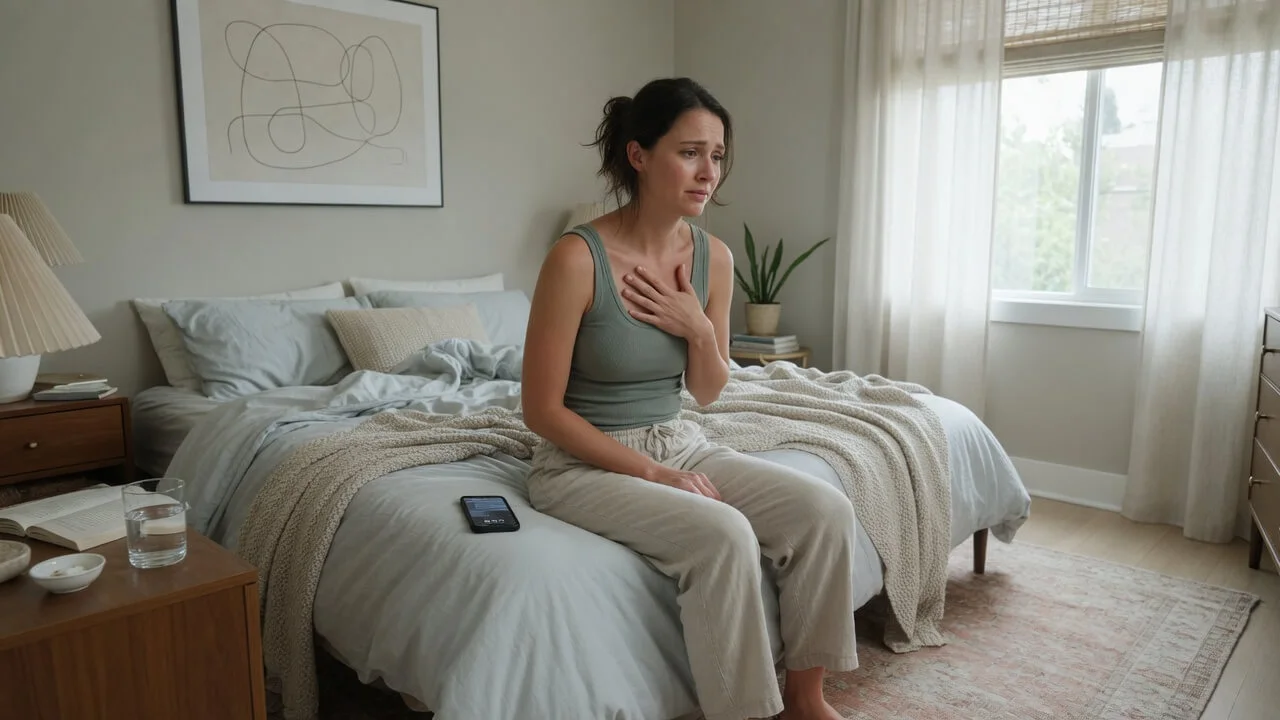
That sudden wave of unease can feel confusing. Everything seems fine—no obvious stress, no clear trigger—yet the body feels tense, the mind unsettled, and a quiet sense of worry lingers in the background.
Many people ask, “why do I feel anxious for no reason?” The experience is more common than it seems. And in most cases, it is not truly without cause—it is simply that the cause is not immediately visible.
Understanding what is happening beneath the surface can make these moments feel less mysterious and more manageable.
What “Anxiety for No Reason” Really Means
When people describe unexplained anxiety, they are usually referring to a mismatch: the body feels alert or uneasy, but the mind cannot identify a clear threat.
Clinically, anxiety is not just a thought—it is a full-body response. It involves the brain, hormones, and nervous system working together to protect against perceived danger.
According to organizations like the National Institute of Mental Health (NIMH), anxiety can arise even when a threat is not consciously recognized. This helps explain why someone might feel anxious “out of nowhere.”
Why the Body Can Feel Anxious Without a Clear Trigger
The Brain’s Threat Detection System
The brain constantly scans for potential danger. A small almond-shaped structure called the amygdala plays a central role in this process.
Sometimes, it reacts to subtle or ambiguous signals—such as physical sensations, memories, or environmental cues—before conscious awareness catches up.
This can lead to a familiar feeling:
the body reacts first, and the mind tries to make sense of it afterward.
Stress Hormones and Nervous System Imbalance
When the brain senses possible danger, it activates the stress response:
- adrenaline increases heart rate
- cortisol raises alertness
- breathing becomes faster
Even mild imbalances in this system can create symptoms like:
- restlessness
- tension
- a sense of unease
This is one reason why do I feel anxious for no reason is such a common question—the body can activate this system without a clear external event.
7 Hidden Causes of Anxiety Without a Trigger
1. Chronic Stress in the Background
Stress does not always feel intense. Ongoing responsibilities, uncertainty, or mental load can keep the body in a low-level alert state.
Over time, this may surface as sudden anxiety.
2. Poor Sleep Quality
Sleep plays a major role in emotional regulation. Research shows that sleep deprivation can increase activity in the amygdala and reduce the brain’s ability to regulate stress.
Even one restless night may contribute to unexplained anxiety the next day.
3. Caffeine Sensitivity
Caffeine stimulates the nervous system. In some individuals, even moderate amounts can lead to:
- jitteriness
- rapid heartbeat
- heightened alertness
These sensations can feel like anxiety without a clear reason.
4. Blood Sugar Fluctuations
Drops in blood glucose may trigger symptoms such as:
- shakiness
- irritability
- nervousness
These physical signals can be interpreted by the brain as anxiety.
5. Hormonal Changes
Hormonal shifts—such as those related to menstrual cycles, thyroid function, or life stages like perimenopause—may influence mood and anxiety levels.
This can lead to anxiety that seems unpredictable or disconnected from events.
6. Dehydration and Physical Fatigue
Even mild dehydration can affect mood, concentration, and energy levels. Some individuals may notice increased irritability or tension.
This connection between physical state and mental clarity is often overlooked .
7. Subconscious Emotional Processing
Not all emotional responses are conscious. The brain may process concerns, fears, or unresolved situations in the background.
This can result in anxiety that feels disconnected from any specific thought.
More Helpful Reads You Might Like:
When Anxiety Might Not Be “Random”
Subtle Psychological Triggers
Sometimes, the trigger exists—but is not immediately obvious.
Examples include:
- upcoming decisions
- relationship tension
- uncertainty about the future
These may not be actively on the mind but still influence the nervous system.
Medical and Physical Contributors
Several health-related factors can contribute to unexplained anxiety:
- thyroid imbalance
- vitamin deficiencies (such as B12)
- medication side effects
- chronic illness
Guidelines from the American Psychiatric Association emphasize that physical health should always be considered when evaluating anxiety symptoms.
When to Take Unexplained Anxiety Seriously
Occasional anxiety without a clear reason is common. However, certain patterns may require medical attention:
- anxiety that occurs frequently or worsens over time
- symptoms that interfere with sleep or daily life
- episodes of panic or intense physical symptoms
- difficulty concentrating or functioning
In these cases, a proper evaluation can help identify underlying causes and guide treatment.
What Helps When Anxiety Feels Unpredictable
Simple Ways to Calm the Nervous System
Small daily habits can help regulate the stress response:
- maintaining consistent sleep routines
- limiting caffeine intake
- staying hydrated
- engaging in regular physical activity
- practicing slow, controlled breathing
These approaches support the body’s ability to return to a calmer baseline.
When Professional Support Matters
If anxiety feels persistent or overwhelming, evidence-based treatments may help:
- cognitive behavioral therapy (CBT)
- mindfulness-based approaches
- medication when appropriate
According to NIMH and the American Psychological Association, these treatments are effective for many individuals experiencing anxiety disorders.
The Bottom Line
The question “why do I feel anxious for no reason” reflects a very real and often misunderstood experience.
In most cases, anxiety is not truly without cause. It is the result of interactions between the brain, body, and environment—some of which happen outside conscious awareness.
Understanding these hidden factors can reduce uncertainty and help guide practical steps toward feeling more balanced.
Medical Disclaimer
This content is for educational purposes only and does not replace professional medical advice, diagnosis, or treatment. Always consult your physician or a qualified healthcare provider with any questions about a medical condition.
Sources & Further Reading
Anxiety Disorders — National Institute of Mental Health
https://www.nimh.nih.gov/health/topics/anxiety-disorders
Generalized Anxiety Disorder — Mayo Clinic
https://www.mayoclinic.org/diseases-conditions/generalized-anxiety-disorder/symptoms-causes/syc-20360803
Effects of sleep deprivation on emotional brain reactivity — PubMed
https://pubmed.ncbi.nlm.nih.gov/21430147/
Caffeine and Anxiety: A Review of Effects — PubMed
https://pubmed.ncbi.nlm.nih.gov/30335479/
Hydration and Mood/Cognition — NIH News in Health
https://newsinhealth.nih.gov/2023/05/hydrating-health
Mild dehydration affects mood in healthy young women — PubMed
https://pubmed.ncbi.nlm.nih.gov/22190027/