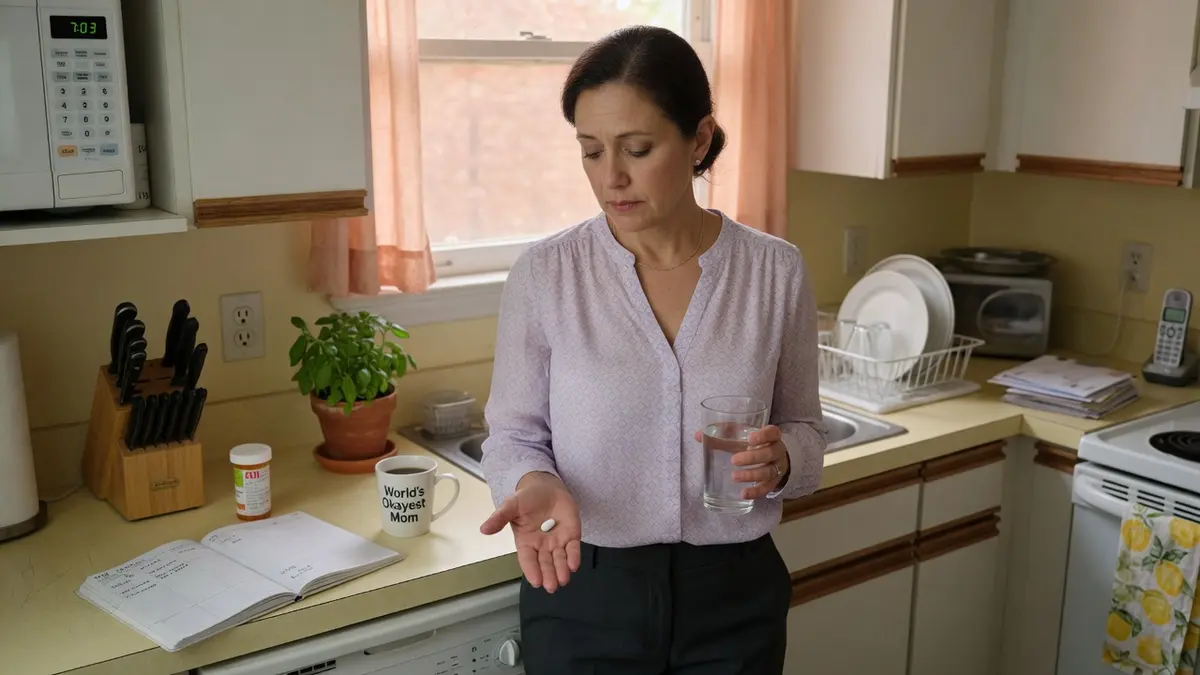
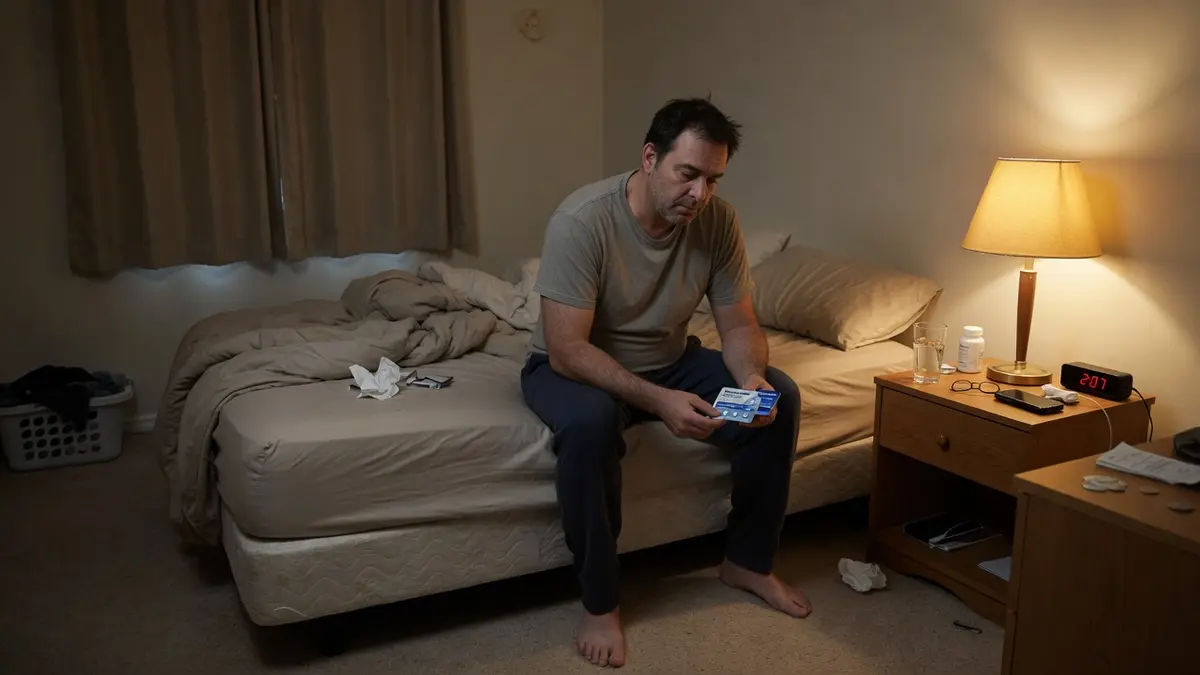
The first night you took it, you were out cold within twenty minutes. By night four or five, you’re lying there at 1 a.m. wondering if you even swallowed the pill. Maybe you doubled the dose. Maybe you switched brands. And still, that reliable knockout feeling is gone. This is one of the most common frustrations in sleep medicine, and it has a real biological explanation.
So why do sleep aids stop working after just a handful of nights? The short version: your brain adapts fast. Whether you’re reaching for an antihistamine like Benadryl or a bottle of melatonin, your nervous system starts adjusting to the presence of these substances almost immediately. That adaptation is called tolerance, and understanding it changes what you should do next.
Why do sleep aids stop working so quickly?
Most over-the-counter sleep aids fall into two camps: sedating antihistamines (the active ingredient in Benadryl, ZzzQuil, and the “PM” versions of pain relievers) and melatonin. They make you drowsy through completely different mechanisms, but they share a frustrating trait — they lose their punch fast.
Antihistamines and receptor downregulation
Diphenhydramine, the antihistamine in most nighttime formulas, makes you sleepy by blocking histamine, a brain chemical that helps keep you awake and alert. Block enough of it and you feel foggy and heavy-lidded. That’s the sedation you notice on night one.
Here’s the thing: your brain doesn’t like being blocked. When those histamine receptors are shut down night after night, the brain responds by making the remaining receptors more sensitive and, over time, producing more of them — a process called receptor downregulation and adaptation. The result is that the same dose blocks a smaller fraction of the signal. Research and clinical experience suggest tolerance to the sedating effect of diphenhydramine can develop within just a few days of nightly use. So if Benadryl stopped working for sleep, you’re not imagining it, and taking more usually isn’t the answer.
Worth knowing: antihistamines also carry a hangover effect. Because diphenhydramine lingers in the body, many people feel groggy the next morning even when the sleep benefit fades. Older adults are particularly sensitive, and long-term regular use of these anticholinergic medications has been associated with cognitive concerns in some studies.
Melatonin and receptor desensitization
Melatonin works differently. It’s a hormone your brain already makes in the evening to signal that it’s time to wind down. Taking a supplement adds to that signal. But melatonin receptors can become less responsive when they’re exposed to high, steady levels — a process called desensitization. If your melatonin’s not working anymore, part of the reason may be that you’re taking far more than your body can meaningfully use.
Most over-the-counter melatonin comes in 3, 5, or even 10 milligram doses. The amount the brain naturally releases is a tiny fraction of that. Studies in adults suggest that lower doses, often in the range of 0.5 to 1 milligram taken a few hours before bed, tend to work better for shifting sleep timing than the mega-doses on store shelves. More isn’t better here. It can actually blunt the response and leave you groggy.
More Helpful Reads You Might Like:
- Why Your Weight Loss Stopped (And How to Break the Plateau)
- The Most Common Ozempic Weight Loss Mistake (and How to Fix It)
The cycle that keeps you stuck
Sleep aids tolerance creates a predictable trap. The pill works, then it doesn’t, so you increase the dose or switch to something stronger. That new thing works for a few nights, then fades too. Meanwhile, the underlying reason you weren’t sleeping — stress, an irregular schedule, anxiety about sleep itself — never got addressed.
There’s also a psychological layer. When you rely on a substance to fall asleep, you can start to believe you can’t sleep without it. That belief ramps up anxiety at bedtime, which makes sleep even harder, which sends you back to the medicine cabinet. The pill becomes a crutch that props up a problem it was never designed to fix. OTC sleep aids are meant for occasional, short-term use — a night or two after a stressful event or during travel — not as a nightly habit.
What actually works instead
The honest answer is that fixing sleep usually takes more effort than swallowing a pill, but the results last. The good news is that the most effective approaches don’t build tolerance — they retrain the system rather than override it.
Cognitive Behavioral Therapy for Insomnia (CBT-I)
If there’s a gold standard among alternatives to sleep aids, this is it. CBT-I is a structured, short-term therapy that targets the thoughts and behaviors keeping you awake. Clinical guidelines consistently recommend it as the first-line treatment for chronic insomnia — ahead of medication. It typically works over a few weeks and, unlike pills, its benefits tend to hold up long after the sessions end.
CBT-I usually involves a few core techniques:
- Stimulus control — using the bed only for sleep and sex, and getting out of bed if you’re awake for more than about 20 minutes, so your brain re-associates the bed with sleeping rather than tossing.
- Sleep restriction — temporarily limiting time in bed to match how much you’re actually sleeping, which builds sleep drive and consolidates rest.
- Cognitive work — challenging the anxious, catastrophic thoughts that spin up at 2 a.m.
You can access CBT-I through a trained therapist or through several well-studied app-based and online programs, some of which have shown results comparable to in-person care.
Sleep hygiene that’s actually specific
“Sleep hygiene” gets thrown around loosely, but a few habits genuinely move the needle when it comes to how to fix sleep naturally:
- Keep a consistent wake time, even on weekends. Your wake time anchors your entire circadian rhythm more than your bedtime does.
- Get bright light — ideally sunlight — within an hour of waking. This helps set your internal clock.
- Cut caffeine after early afternoon. It has a half-life of roughly five to six hours, so a 3 p.m. coffee is still partly in your system at bedtime.
- Keep the bedroom cool, dark, and screen-free in the last stretch before bed.
- Watch alcohol. It may help you fall asleep but fragments sleep in the second half of the night.
None of these are dramatic on their own. Stacked together and kept consistent, they add up.
When to see a doctor instead of trying another supplement
Cycling through supplements can quietly delay a diagnosis that actually matters. It’s worth checking in with a healthcare provider rather than reaching for the next bottle if any of these apply to you:
- Your trouble sleeping has lasted more than three months or happens most nights of the week.
- You snore loudly, gasp, or stop breathing during sleep — possible signs of sleep apnea, which no supplement will treat.
- You feel exhausted during the day despite spending enough time in bed.
- Your sleep problems come with low mood, persistent anxiety, or racing thoughts.
- You’ve been using OTC sleep aids nightly for weeks and feel you can’t stop.
A clinician can look for underlying causes — thyroid issues, restless legs, sleep apnea, depression, medication side effects — and, when appropriate, refer you for CBT-I or discuss prescription options with clearer safety profiles than layering more OTC products on top of each other.
A quick safety note on mixing and long-term use
Combining sleep aids — say, an antihistamine plus melatonin plus a glass of wine — increases sedation and side effects without reliably improving sleep. Antihistamines can interact with other medications and are generally not recommended for regular use in older adults. And melatonin, while widely available, isn’t tightly regulated, so the actual dose in a bottle can differ from the label. If you’re pregnant, managing a chronic condition, or taking other medications, it’s worth running any sleep aid past your pharmacist or doctor first.
So when you find yourself asking why do sleep aids stop working, take it as useful information rather than a reason to escalate. The fading effect is your body telling you it has adapted — and that the real fix probably lives in your habits, your schedule, and sometimes a proper evaluation, not in a stronger pill.
Medical Disclaimer: This content is for educational purposes only and does not replace professional medical advice, diagnosis, or treatment. Always consult your physician or a qualified healthcare provider with any questions about a medical condition.
Sources & Further Reading
- MedlinePlus: Medicines for Sleep (NIH Medical Encyclopedia)
- NIH NCBI Bookshelf: What Can Help When Trying to Stop Taking Sleeping Pills and Sedatives?
- PubMed: Basic Pharmacologic Mechanisms Involved in Benzodiazepine Tolerance and Withdrawal
- Mayo Clinic Press: Melatonin for Sleep — Benefits, Timing and Safety
- NIH PMC: Cognitive-Behavioral Therapy for Insomnia (CBT-I) — An Effective and Underutilized Treatment