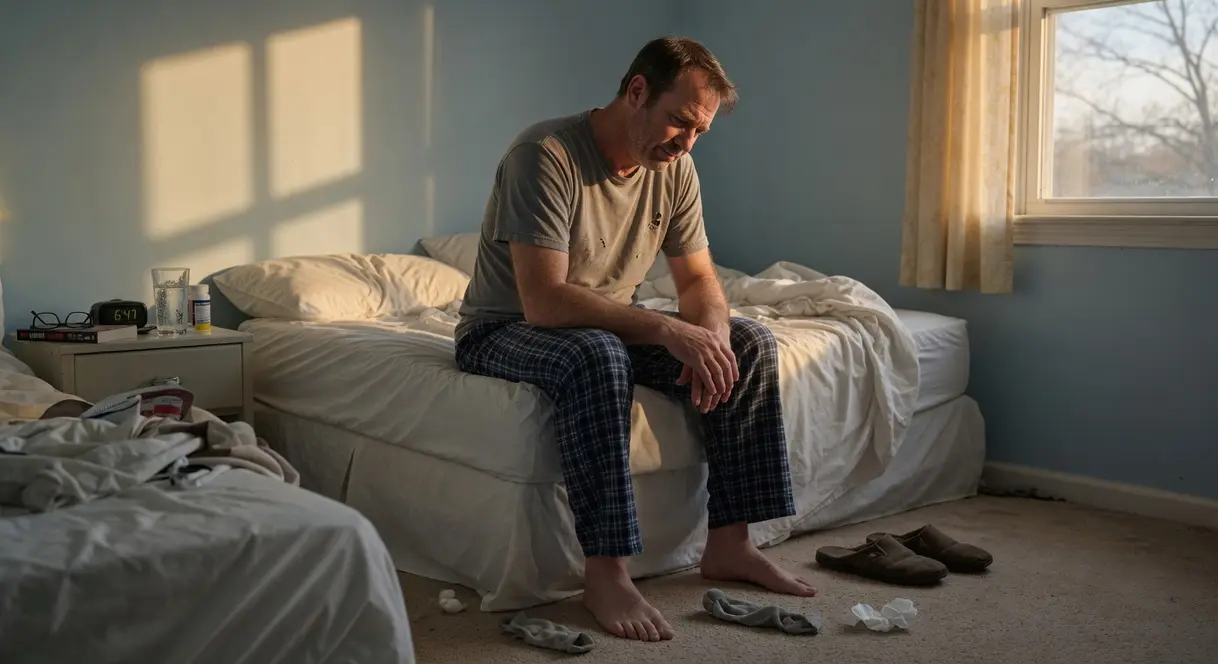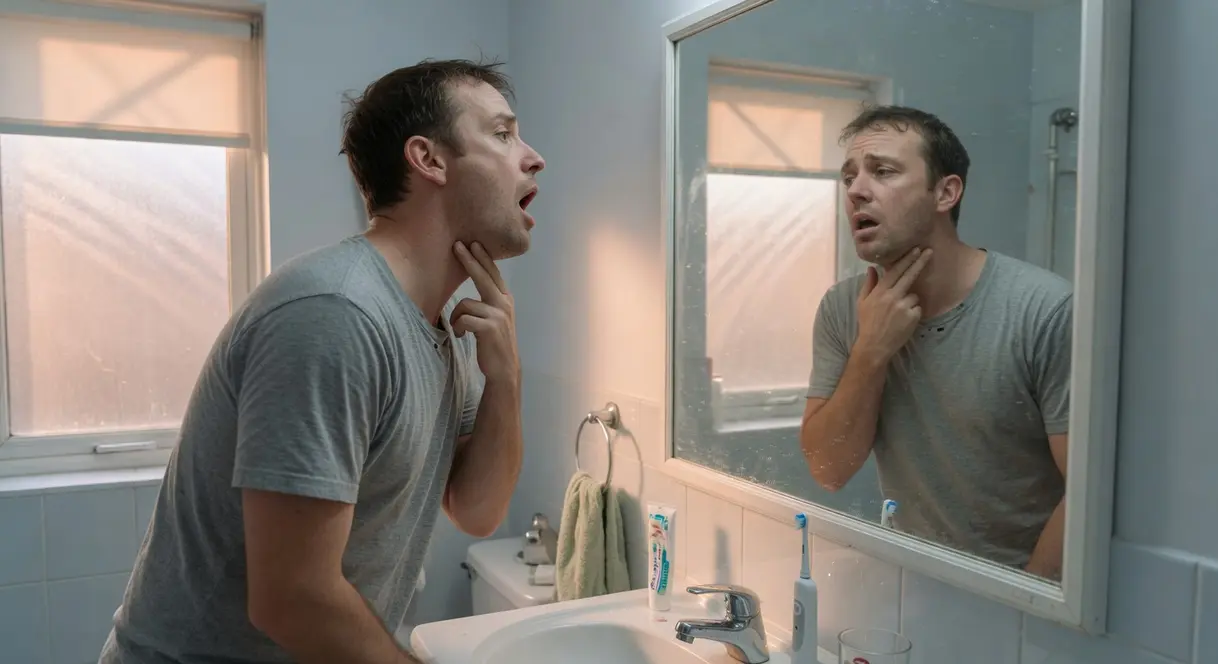

Passing a kidney stone once is the kind of pain people remember in vivid detail — the ER visit, the strainer they were told to pee through, the relief when it finally dropped. So when a second stone shows up a year or two later, the frustration is real. You drank more water. You cut back on salt. You did what the discharge papers said. And yet here you are again.
The honest answer to why do kidney stones keep coming back is that stones aren’t really a one-time plumbing problem. They’re a sign of an ongoing chemistry mismatch in your urine, and unless that chemistry changes, the conditions that built the first stone are still quietly building the next one. Roughly half of people who form one stone will form another within five to ten years if nothing changes. That’s not bad luck. That’s biology doing what biology does.
What’s actually happening inside your kidneys
Urine is a soup of minerals and salts — calcium, oxalate, phosphate, uric acid, citrate, magnesium. When the balance tips, certain combinations start to crystallize. Those crystals can stick to the lining of the kidney, grow, and eventually form a stone large enough to cause trouble.
The most common culprits are calcium oxalate stones, which account for the majority of cases. Less common types include uric acid stones (more likely in people with gout, diabetes, or obesity), struvite stones (linked to certain urinary tract infections), and cystine stones (a rarer genetic cause). Each type forms for slightly different reasons, which is why generic prevention advice often falls short. Telling a uric acid stone former to cut oxalate, for example, misses the point entirely.
Recurring kidney stones causes worth understanding
Several factors stack the deck toward repeat stones:
- Low urine volume. If you’re not making at least 2 to 2.5 liters of urine a day, everything in it is more concentrated. This is the single most common driver.
- High urine calcium. Some people excrete more calcium into their urine than average, often for genetic reasons. Cutting dietary calcium usually backfires.
- High urine oxalate. Comes from diet (spinach, nuts, chocolate, beets, certain teas) and from how the gut absorbs it.
- Low urine citrate. Citrate normally binds calcium and keeps it from crystallizing. Low levels are common in people with chronic diarrhea, certain medications, or high-protein diets.
- Acidic urine. Favors uric acid stones, often tied to metabolic syndrome.
- Family history. Genetics roughly double the risk.
- Medical conditions. Inflammatory bowel disease, gastric bypass, hyperparathyroidism, type 2 diabetes, chronic UTIs, and certain medications all change urine chemistry in stone-friendly directions.
More Helpful Reads You Might Like:
Why generic prevention advice often fails
Most people leave their first stone episode with a short list: drink more water, eat less salt, maybe avoid spinach. That advice isn’t wrong, but it’s incomplete. Without knowing what kind of stone you made and what your urine is actually doing, prevention is mostly guesswork.
The two pieces of information that change everything are a stone analysis (sending a passed or retrieved stone to a lab to identify its composition) and a 24-hour urine collection. The urine test measures volume, calcium, oxalate, citrate, uric acid, sodium, pH, and a few other values. Together, these two tests turn prevention from a shot in the dark into something targeted. Clinical guidelines recommend this workup for anyone with recurrent stones, and for many first-time formers with risk factors.
If you’ve had multiple stones and nobody has ordered these tests, that’s a reasonable thing to bring up with your doctor — ideally a urologist or a nephrologist who sees a lot of stone patients.
How to prevent kidney stones from coming back
Once you know the stone type and the urine pattern, prevention becomes specific. A few principles apply to almost everyone, though.
Drink enough — really enough
The goal is at least 2.5 liters of urine output per day, which usually means drinking closer to 3 liters of fluid. Water is best. Spread it through the day rather than chugging it in the evening. A practical check: urine should look pale yellow most of the time. Dark urine in the afternoon is a sign you’re behind.
Don’t cut calcium — pair it with meals
This one surprises people. Low-calcium diets actually raise the risk of calcium oxalate stones, because dietary calcium binds oxalate in the gut and keeps it from being absorbed. Aim for normal calcium intake (around 1,000–1,200 mg per day) from food, and try to include a calcium source with meals that contain oxalate. A glass of milk with dinner does more than a calcium pill at bedtime.
Cut sodium, not protein entirely
High sodium pulls calcium into the urine. Most Americans eat far more salt than they realize because it hides in bread, deli meat, sauces, restaurant food, and packaged snacks. Keeping sodium under 2,300 mg a day — ideally closer to 1,500 — has a real effect on urine calcium. Animal protein in large amounts also raises stone risk by increasing uric acid and lowering citrate, so moderating portions (not eliminating meat) helps.
Watch the high-oxalate foods, but don’t fear vegetables
If your urine oxalate is high, the foods that matter most are spinach, rhubarb, almonds and almond flour, cashews, beets, Swiss chard, and a few teas. Eating these with a calcium source blunts their effect. Most other vegetables are fine and actually helpful.
Add citrate
Citrate is the body’s natural stone inhibitor. Lemon and lime juice are decent dietary sources — a couple of tablespoons of fresh juice in water daily can nudge urine citrate up. For people with persistently low citrate or recurrent stones despite lifestyle changes, prescription potassium citrate is a common and effective treatment.
Address the metabolic picture
Uric acid stones in particular are tightly linked to insulin resistance and obesity. Weight loss, better blood sugar control, and sometimes medications that alkalinize the urine (raise its pH) can dramatically reduce recurrence. For high uric acid specifically, allopurinol is sometimes used.
Medications that can help stop kidney stones from forming again
When lifestyle changes aren’t enough, several prescription options exist, chosen based on the 24-hour urine results:
- Thiazide diuretics lower urine calcium and are well-studied for calcium stone prevention.
- Potassium citrate raises urine citrate and pH, useful for calcium oxalate, uric acid, and cystine stones.
- Allopurinol lowers uric acid production.
- Antibiotics or surgical removal may be needed for struvite stones tied to infection.
These aren’t first-line for everyone, but for people stuck in a cycle of recurrent stones, they can change the trajectory.
When to seek medical care
Get evaluated promptly if you have severe flank or back pain, blood in the urine, fever or chills with urinary symptoms, persistent nausea or vomiting, or pain that doesn’t respond to over-the-counter medication. Fever with a known stone is a particular red flag — a stone blocking an infected kidney is a urological emergency.
Beyond acute episodes, ask for a referral if you’ve had two or more stones, a single stone with a strong family history, a stone in a child or teen, or stones in the setting of inflammatory bowel disease, gastric bypass, or only one functioning kidney. These situations benefit from specialist input and a structured kidney stone recurrence prevention plan.
The short answer to why do kidney stones keep coming back
Stones recur because the urine chemistry that made the first one is still in place. Real prevention means knowing the stone type, measuring what’s in the urine, and matching the strategy to the findings — fluid, diet, and when needed, medication. Generic advice helps a little. Targeted advice helps a lot. For chronic kidney stones treatment to actually work over years, it has to be specific to you, and it has to be something you can keep doing.
Medical Disclaimer: This content is for educational purposes only and does not replace professional medical advice, diagnosis, or treatment. Always consult your physician or a qualified healthcare provider with any questions about a medical condition.
Sources & Further Reading
- PubMed (NIH/PMC): Risk Factors for Kidney Stone Disease Recurrence: A Comprehensive Meta-Analysis
- PubMed (NIH/PMC): Predictors of Symptomatic Kidney Stone Recurrence After the First and Subsequent Episodes
- NIDDK (NIH): Eating, Diet, and Nutrition for Kidney Stones
- National Kidney Foundation: Kidney Stone Diet Plan and Prevention
- Mayo Clinic: Kidney Stones – Symptoms and Causes