 Written by
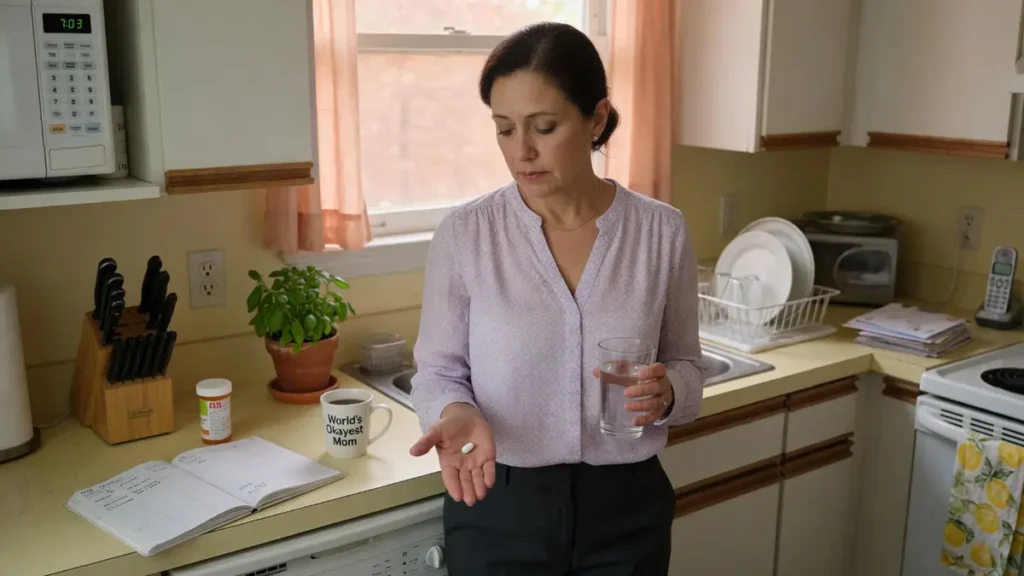
A patient in her late 40s once described a strange stretch of months before her diagnosis: she kept a water bottle on her nightstand because she’d wake up parched, blamed her afternoon slumps on a busy job, and figured the blurry vision at her computer meant she finally needed reading glasses. None of it felt alarming. Each symptom had a tidy explanation. Then a routine blood test showed an A1C of 8.2%, and suddenly all those small things lined up into a much bigger picture.
In this article
That’s the tricky part about the early signs of type 2 diabetes — they rarely arrive as a single, dramatic event. They show up quietly, often over years, and most of them mimic the everyday wear and tear of modern life. By the time blood sugar is high enough to cause obvious problems, the disease has usually been simmering for a while.
Why early type 2 diabetes symptoms are so easy to overlook
Type 2 diabetes develops gradually. Insulin resistance — when the body’s cells stop responding well to insulin, the hormone that moves sugar from the blood into cells — can quietly worsen for 5 to 10 years before blood sugar levels cross into the diabetes range. During that long buildup, the pancreas keeps pumping out more insulin to compensate, and many people feel essentially fine. Or fine enough.
Symptoms only emerge once blood glucose climbs high enough to spill into the urine or affect how tissues function. Even then, they tend to be mild and slow-moving. Compare that to type 1 diabetes, which often announces itself in weeks with dramatic weight loss and severe thirst, and you can see why type 2 hides better.
Research suggests that roughly 1 in 5 adults in the U.S. with diabetes doesn’t know they have it. The numbers for prediabetes are even more striking — the vast majority of people with prediabetes symptoms have no idea their blood sugar is already drifting upward.
More Helpful Reads You Might Like:
- Can Diabetes Affect Your Kidneys? Early Signs You Shouldn’t Ignore
- 7 Early Signs Your Kidneys May Not Be Working Properly
- 7 Subtle Signs of Burnout You Might Be Ignoring
The subtle warning signs of diabetes most people dismiss
Thirst that doesn’t quite make sense
Drinking more water than usual sounds healthy, not alarming. But persistent thirst — the kind where a full glass barely takes the edge off — can be one of the earliest type 2 diabetes symptoms. When blood sugar rises, the kidneys try to flush the excess glucose out through urine, pulling water with it. The body responds by demanding more fluid. People often describe it as a dry mouth that won’t go away, or waking up at night needing to drink.
Frequent urination, especially overnight
Getting up two or three times a night to use the bathroom is often blamed on age, a small bladder, or that late cup of tea. In men, it’s frequently attributed to the prostate. Sometimes that’s the real cause. Other times, it’s the kidneys working overtime to clear sugar from the bloodstream. A noticeable shift in urinary patterns — particularly larger volumes rather than just more trips — deserves attention.
Fatigue that sleep doesn’t fix
Tiredness is the most universal complaint in medicine and the easiest to brush off. With elevated blood sugar, cells aren’t getting fuel efficiently, which can leave people feeling drained even after a full night’s rest. The fatigue is often worse after meals heavy in refined carbs, when blood sugar spikes and crashes. People describe it as a heaviness, a brain fog, or that mid-afternoon wall that no amount of coffee seems to crack.
Blurry vision that comes and goes
High blood sugar pulls fluid from the lenses of the eyes, changing their shape and making focus difficult. The blurriness tends to fluctuate — worse some days, fine others — which is why people often assume they’re tired or staring at screens too long. Vision that shifts from week to week, rather than gradually worsening like a typical prescription change, can be a sign worth investigating.
Cuts and infections that heal slowly
A small cut on the hand that takes three weeks instead of one. A scrape on the shin that turns red and lingers. Recurring yeast infections or urinary tract infections that didn’t used to happen. Elevated glucose impairs immune function and slows tissue repair, and chronic low-grade infections — especially fungal ones in skin folds, under breasts, or in the groin — are common in undiagnosed diabetes.
Tingling or numbness in the feet
Sustained high blood sugar damages small nerves, often starting in the toes and feet. Early on, this might feel like a faint pins-and-needles sensation, a patch of numbness when crossing the legs, or feet that feel oddly cold or burning at night. Many people assume it’s circulation or a pinched nerve. By the time peripheral neuropathy is obvious, nerve damage is usually well established.
Darkened patches of skin
A velvety, darker patch of skin on the back of the neck, in the armpits, or in the groin — called acanthosis nigricans — is a visible marker of insulin resistance. It’s often mistaken for dirt or sun damage. People scrub at it. It doesn’t budge. This finding is especially common in children and adults with prediabetes symptoms and can appear years before blood sugar officially crosses into the diabetes range.
Unintended weight changes
Most people associate type 2 diabetes with weight gain, but some experience modest, unexplained weight loss as the body starts losing calories through urine and breaks down muscle for fuel. Others notice increased hunger despite eating normally, because cells aren’t absorbing glucose efficiently. Either pattern, when it doesn’t match changes in diet or activity, is worth flagging.
Who should be paying closer attention
Some people carry a higher baseline risk and should keep these signs in mind even when symptoms feel minor. Risk factors that raise the odds of developing type 2 diabetes include:
- Being 35 or older
- A body mass index in the overweight or obese range
- A parent or sibling with type 2 diabetes
- A history of gestational diabetes or delivering a baby over 9 pounds
- Polycystic ovary syndrome (PCOS)
- High blood pressure or abnormal cholesterol
- Black, Hispanic, Native American, Asian American, or Pacific Islander heritage
- Physical inactivity
None of these guarantee diabetes will develop, but they shift the calculus. A combination of two or three of them plus any of the symptoms above is a reasonable reason to ask for testing.
When to call your doctor
A single symptom in isolation isn’t usually cause for worry. But several of these signs occurring together, lasting more than a few weeks, or showing up in someone with risk factors deserves a conversation with a primary care provider. The screening tests are straightforward — a fasting glucose, an A1C (which reflects average blood sugar over about three months), or an oral glucose tolerance test. They’re inexpensive, widely available, and often covered without a copay as preventive care.
More urgent symptoms — extreme thirst with rapid weight loss, confusion, fruity-smelling breath, vomiting, or severe abdominal pain — warrant same-day medical attention. These can signal dangerously high blood sugar and shouldn’t wait for a scheduled appointment.
What catching the early signs of type 2 diabetes actually changes
The honest answer is that early detection matters a lot. Prediabetes — that in-between zone where blood sugar is elevated but not yet diabetic — is often reversible. Modest weight loss (around 5 to 7% of body weight), regular physical activity, and dietary changes have been shown in large trials to cut the risk of progression to full diabetes by more than half. Once diabetes is established, it can still be managed well, but reversing it becomes considerably harder.
The signs you might have diabetes aren’t dramatic. They’re the things people apologize for mentioning at appointments — the bathroom trips, the tiredness, the cut on the finger that won’t close up. Worth knowing: those are exactly the details a physician wants to hear about.
Medical Disclaimer: This content is for educational purposes only and does not replace professional medical advice, diagnosis, or treatment. Always consult your physician or a qualified healthcare provider with any questions about a medical condition.
Sources & Further Reading
How we sourced this article: we rely on peer-reviewed studies, clinical guidelines and public-health agencies (CDC, NIH, AHA, WHO), check every link before publishing, and update articles when the evidence changes. Read our editorial approach.
- CDC: Symptoms of Diabetes
- CDC: Prediabetes – Your Chance to Prevent Type 2 Diabetes
- Mayo Clinic: Diabetes Symptoms – When Diabetes Symptoms Are a Concern
- Mayo Clinic: Type 2 Diabetes – Symptoms and Causes
- American Diabetes Association: Diabetes Symptoms & Early Warning Signs
- NIDDK: Symptoms & Causes of Diabetes