 Written by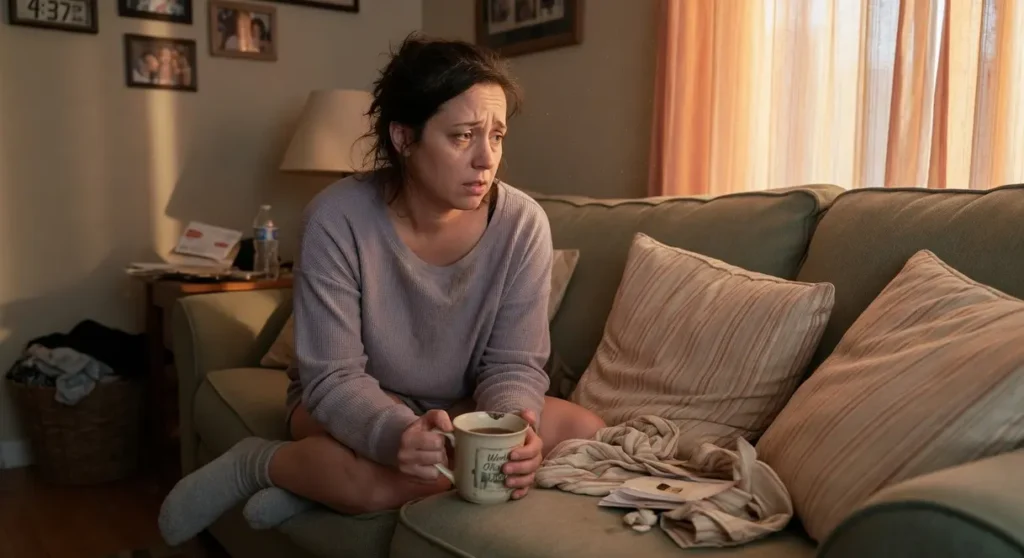
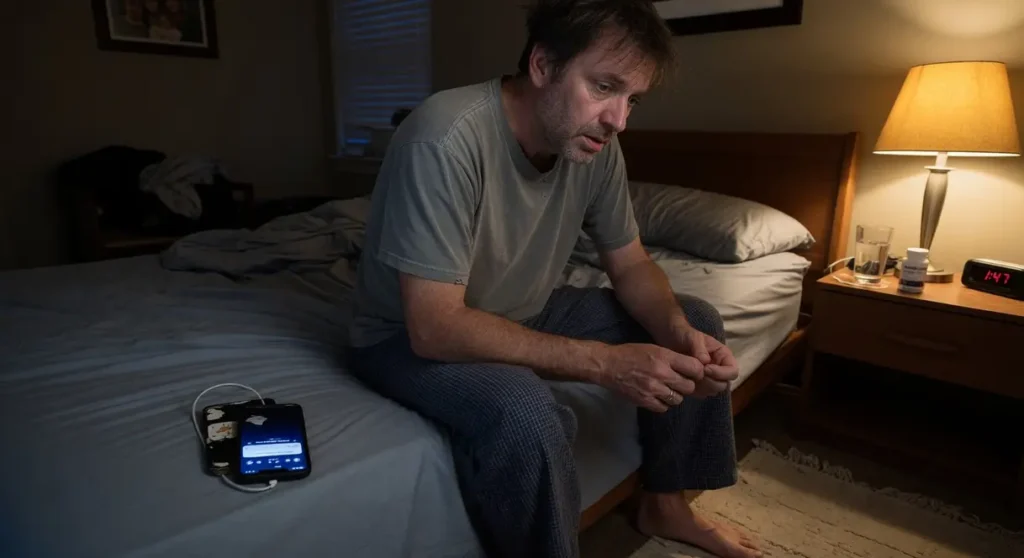
It’s 2 p.m., you slept maybe four broken hours last night, and the couch is starting to look like a life raft. The question that stops a lot of people mid-yawn: will lying down for 20 minutes wreck tonight’s sleep too, or finally take the edge off? The answer isn’t as simple as the sleep advice you’ve probably heard.
In this article
So, does napping make insomnia worse? Sometimes yes, sometimes no — and the difference usually comes down to when you nap, how long you nap, and what your nighttime sleep pattern already looks like. Sleep specialists don’t treat naps as universally good or bad. They treat them as a tool that can either help or sabotage you, depending on how you use them.
Why the advice on napping with insomnia is so mixed
Standard cognitive behavioral therapy for insomnia (CBT-I), which is the first-line treatment most sleep doctors recommend, generally discourages daytime napping. The reasoning is straightforward. Insomnia is partly maintained by low sleep pressure — the biological drive to sleep that builds up the longer you’re awake. Nap during the day, and you bleed off some of that pressure before bedtime. Less pressure means a harder time falling asleep, lighter sleep, or earlier wake-ups.
That’s the textbook concern, and it’s a real one. But the textbook isn’t the whole story. Research on shift workers, older adults, and people with chronic sleep restriction has shown that short, well-timed naps can improve alertness, mood, and cognitive performance without obviously trashing nighttime sleep. The honest answer is that it depends on the person and the nap.
What insomnia actually is
Insomnia means trouble falling asleep, staying asleep, or waking too early — at least three nights a week, for at least three months, with daytime consequences like fatigue or poor concentration. It’s not the same as one rough night after a stressful week. That distinction matters because someone with a single bad night may benefit from a brief nap, while someone with chronic insomnia usually needs to protect their sleep drive more carefully.
More Helpful Reads You Might Like:
- Wired but Tired: Why Exhaustion Doesn’t Always Lead to Sleep
- How to Stop Grinding Teeth at Night: What Actually Helps
- 7 Subtle Signs Low Vitamin D Is Affecting Your Mood and Energy
Can naps help insomnia, or do they always backfire?
Naps can help in specific situations. They can backfire in others. Here’s how the split tends to play out in practice.
Naps may help when fatigue is dangerous — driving, operating equipment, caring for a child — and a brief rest is safer than pushing through. They may help shift workers whose schedules force sleep into biologically unfriendly windows. And for some people with chronic insomnia, a brief, early-afternoon nap doesn’t measurably worsen nighttime sleep and may take the edge off the next day.
Naps tend to backfire when they’re long, late, or frequent. A two-hour nap at 5 p.m. is going to delay sleep onset that night for almost anyone. Napping every afternoon out of habit, even when you’re not particularly tired, can quietly erode the sleep drive that’s supposed to be doing the heavy lifting at bedtime.
Signs your napping is making insomnia worse
A few patterns suggest a nap is working against you:
- You wake up groggier than before the nap and stay foggy for an hour or more.
- You take longer to fall asleep at night than on days you skip the nap.
- Your nighttime sleep feels lighter, more fragmented, or shorter.
- You wake earlier than usual the morning after napping.
- You’re napping daily without clear improvement in daytime function.
If two or three of these show up consistently, the nap is probably part of the problem.
Napping rules for insomnia that actually work
If you’re going to nap, a few guidelines make it much more likely to help rather than hurt. Sleep clinicians tend to converge on the same handful of recommendations.
Keep it short
The best nap length for insomnia is roughly 10 to 20 minutes. A nap that short keeps you in the lighter stages of sleep, so you wake up feeling refreshed rather than groggy — a state called sleep inertia, the heavy-headed feeling that follows waking from deep sleep. Anything past about 30 minutes raises the risk of dropping into deep sleep, and that’s where two problems start: you wake up worse than you went down, and you pull meaningful sleep pressure away from bedtime.
Setting an alarm matters. People with insomnia often underestimate how long they actually slept during a nap.
Nap early, not late
The general rule is to finish napping by about 2 or 3 p.m. The closer a nap gets to bedtime, the more it competes with nighttime sleep. A nap eight or more hours before your usual bedtime is far less disruptive than one four hours before.
Don’t nap every day by default
Occasional naps after a poor night are different from daily naps that have become a habit. If you’re napping every afternoon, your body starts treating that nap as part of its sleep schedule — which means it stops building enough pressure for a solid night of sleep.
Use the bed for sleep at night, not naps
For people working on insomnia, the recommendation is often to nap somewhere other than the bedroom — a recliner, a couch, even a comfortable chair. This protects the mental association between bed and nighttime sleep, which is one of the things CBT-I works hard to rebuild.
How to nap without affecting nighttime sleep
Putting it together, a nap that’s least likely to backfire looks something like this: 10 to 20 minutes, before 3 p.m., somewhere other than your bed, on a day when you genuinely didn’t sleep enough the night before. Set an alarm. Don’t extend it because it felt good. And if you notice your nighttime sleep getting worse over the following week, that’s useful information — try a few days without napping and see what changes.
One small trick some people find helpful: a “coffee nap.” Drinking a cup of coffee right before a 20-minute nap can leave you feeling sharper on waking, since caffeine takes about 20 to 30 minutes to kick in. It’s not magic, and it’s not for everyone, but the underlying science is reasonable.
Who probably shouldn’t nap at all
For some people with insomnia, the cleanest approach is to skip napping entirely, at least for a few weeks. This is especially true if you’re:
- Going through a structured CBT-I program, which often involves sleep restriction therapy — temporarily limiting time in bed to consolidate sleep.
- Finding that even short naps clearly delay sleep onset that night.
- Struggling with early-morning awakenings, since napping can make that pattern worse.
The trade-off is uncomfortable. Skipping the nap means a harder afternoon. But the payoff is usually a stronger sleep drive by bedtime, which is exactly what chronic insomnia needs.
When to talk to a doctor
Persistent insomnia deserves a real evaluation, not just self-management. Consider seeing a clinician if you’ve had trouble sleeping most nights for more than a month, if daytime sleepiness is interfering with work or driving, if you snore loudly or stop breathing in your sleep (possible signs of sleep apnea), or if you find yourself needing naps just to function. Conditions like sleep apnea, restless legs syndrome, thyroid problems, depression, and certain medications can all drive insomnia and irresistible daytime sleepiness — and none of them get better by adjusting nap timing alone.
A sleep specialist can also determine whether CBT-I, a brief course of medication, or evaluation for an underlying sleep disorder makes the most sense.
So does napping make insomnia worse — or not?
For most people with chronic insomnia, frequent or long naps probably make things worse over time by weakening the sleep drive that powers nighttime sleep. But a short, early, occasional nap isn’t automatically harmful, and for some people it’s the difference between a functional afternoon and a dangerous one. The practical move is to treat naps as a deliberate choice rather than a default — short, before mid-afternoon, not in bed, and not every day — and to pay attention to what happens to your sleep over the following nights. Your own pattern is the best evidence you’ll get.
Medical Disclaimer: This content is for educational purposes only and does not replace professional medical advice, diagnosis, or treatment. Always consult your physician or a qualified healthcare provider with any questions about a medical condition.
Sources & Further Reading
How we sourced this article: we rely on peer-reviewed studies, clinical guidelines and public-health agencies (CDC, NIH, AHA, WHO), check every link before publishing, and update articles when the evidence changes. Read our editorial approach.