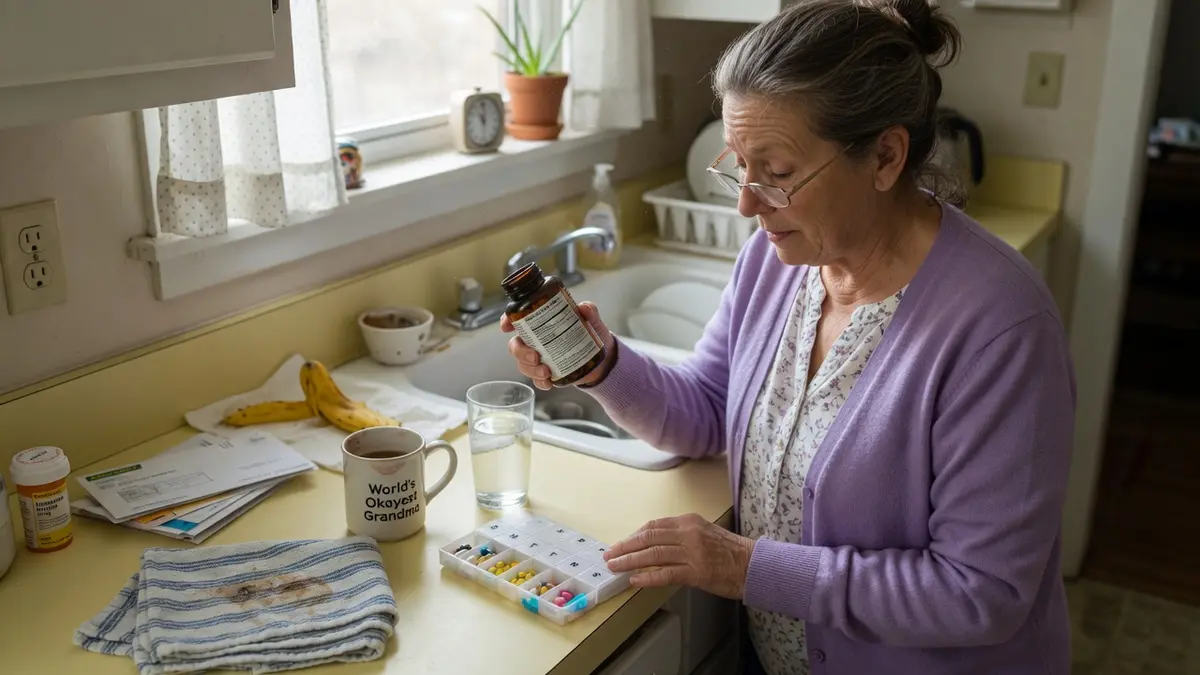
A patient walks into a clinic with a bag of pill bottles — three prescriptions from the cardiologist, a fish oil capsule because a neighbor swears by it, a turmeric blend for sore knees, and a bottle of St. John’s wort someone suggested for low mood. Each one feels harmless on its own. Together, they’re a chemistry experiment nobody planned. This happens constantly, and most of the time the person taking them has no idea that the supplements that interact with medications can blunt a drug’s effect, amplify it dangerously, or change how the body clears it.
Here’s the thing about supplements: the word itself sounds gentle. “Natural” gets treated like a synonym for “safe.” But your liver doesn’t care whether something came from a plant or a pharmacy. It processes both through the same enzyme systems, and that’s exactly where the trouble starts.
Why supplements and prescription drugs collide in the first place
Most drug interactions come down to a few mechanisms. A supplement can speed up or slow down the enzymes in your liver that break down medications — the most important of these is a family called cytochrome P450. When a supplement revs those enzymes up, your medication gets cleared faster, so less of it stays in your bloodstream and it may stop working. When a supplement slows them down, the drug builds up, and you can get effects that look a lot like an overdose even at a normal dose.
Other interactions are simpler. Two things that both thin the blood, taken together, thin it more than either would alone. A supplement that lowers blood sugar, stacked on top of a diabetes medication that does the same, can push your glucose too low. The mechanism varies. The result — a dose that’s effectively wrong — is the same.
More Helpful Reads You Might Like:
- 7 Evidence-Based Zinc Benefits—And Who May Need Supplements
- Best Supplements for Mental Focus: What Actually Works?
- Rebound Headaches: Why Pain Meds Can Make Headaches Worse
The most common supplements that interact with medications
No list covers everything, but a handful of supplements show up again and again in reports of dangerous supplement drug interactions. These are the ones worth knowing by name.
St. John’s wort
This herbal remedy, often used for low mood, is one of the strongest natural inducers of those liver enzymes. It can lower the blood levels of a startling range of drugs — including some blood thinners, certain heart rhythm medications, birth control pills, transplant anti-rejection drugs, and several HIV medications. When a drug suddenly stops working as well, St. John’s wort is a frequent and underappreciated culprit.
Vitamin E, fish oil, ginkgo, and garlic
These all have mild blood-thinning properties of their own. On their own, in a healthy person, that’s rarely a problem. Combined with prescription blood thinners like warfarin or with daily aspirin, they can increase the risk of bruising and bleeding. People often don’t think of fish oil as a drug at all, which is part of why this combination slips past so easily.
Vitamin K
This one runs in the opposite direction, and it’s the classic example among vitamins that interfere with blood thinners. Warfarin works by blocking vitamin K. So a sudden increase in vitamin K — from a supplement or a big change in leafy green vegetables — can make warfarin less effective and raise clotting risk. The goal isn’t to avoid vitamin K entirely; it’s to keep your intake steady so your dose stays calibrated.
Calcium, magnesium, and iron
These minerals can bind to certain medications in the gut and keep them from being absorbed. Some thyroid medications, certain antibiotics, and a few osteoporosis drugs are affected. Often the fix is timing — separating the supplement and the drug by several hours — rather than stopping either one.
Potassium
Potassium supplements, and salt substitutes that use potassium, can push levels too high when combined with certain blood pressure medications, particularly ACE inhibitors and a class called potassium-sparing diuretics. High potassium can affect heart rhythm, which is why this one deserves real attention.
Grapefruit (yes, it counts)
Grapefruit isn’t a supplement, but it acts like one of these interacting agents and surprises people constantly. It blocks an enzyme in the gut wall, which can dramatically raise blood levels of some cholesterol drugs, blood pressure medications, and others. If your medication label mentions grapefruit, it’s not being cautious for no reason.
What supplements to avoid with medications — and what “avoid” really means
The honest answer is that very few combinations are absolutely forbidden for everyone. Most depend on the specific drug, the dose, your kidney and liver function, and what else you’re taking. That’s frustrating, because it means there’s no universal blacklist to memorize. What there is, instead, is a short list of high-stakes situations where caution matters most:
- You take a blood thinner such as warfarin, apixaban, or rivaroxaban.
- You take medication for a heart rhythm problem.
- You take drugs with a “narrow therapeutic range” — meaning the gap between too little and too much is small, such as certain seizure, thyroid, or transplant medications.
- You manage diabetes with insulin or other glucose-lowering drugs.
- You’ve had an organ transplant.
If any of those describe you, treat every new supplement as something to clear with a professional first — not after you’ve already started.
What to tell your doctor about supplements
Surveys consistently find that most people don’t tell their doctor about supplements, often because they don’t think of them as medications worth mentioning. That gap is where a lot of avoidable problems live. When you talk to your physician or pharmacist, be specific and complete.
- The exact name of every supplement, including blends and multivitamins.
- The dose and how often you take it.
- How long you’ve been taking it.
- Why you started — the symptom or goal you’re treating.
- Anything you take only occasionally, like melatonin for travel.
A practical trick: take a photo of each bottle’s label, or just bring the bottles in a bag. Pharmacists are an underused resource here — you don’t need an appointment, and they can flag many interactions on the spot.
When to seek medical care
Most interactions develop quietly, but some show up as symptoms you shouldn’t wait on. Seek prompt medical care if, after starting a new supplement, you notice unusual bruising, bleeding that won’t stop, blood in urine or stool, or black tarry stools — these can signal a blood-thinning interaction. Symptoms of very low blood sugar (shakiness, confusion, sweating, faintness) in someone on diabetes medication also warrant quick attention. So do a racing or irregular heartbeat, muscle weakness, severe dizziness, or any sudden change after a medication that was working well stops working.
If a reaction feels severe — chest pain, trouble breathing, fainting, or a sense that something is seriously wrong — that’s an emergency, not a phone call to schedule for next week.
A simple habit that prevents most problems
Before starting anything new, ask one question: does this interact with what I already take? You can ask your pharmacist, your physician, or a clinical resource — but ask before the first dose, not after a month. And don’t stop a prescribed medication on your own to “make room” for a supplement. Stopping certain drugs abruptly carries its own risks.
The reassuring part is that knowing which supplements that interact with medications matters most — blood thinners, narrow-range drugs, diabetes and heart medications — covers the large majority of serious cases. Keep an honest, current list, share it with the people managing your care, and you’ve handled the hardest part.
Medical Disclaimer: This content is for educational purposes only and does not replace professional medical advice, diagnosis, or treatment. Always consult your physician or a qualified healthcare provider with any questions about a medical condition.
Sources & Further Reading
- FDA: Mixing Medications and Dietary Supplements Can Endanger Your Health
- NCCIH (NIH): Herb-Drug Interactions — What the Science Says
- NCCIH (NIH): 6 Tips — How Herbs Can Interact With Medicines
- PubMed: Common Herbal Dietary Supplement–Drug Interactions (American Family Physician, 2017)
- Mayo Clinic: St. John’s Wort — Drugs & Supplements Interactions
- PMC (NIH): Pharmacological Interactions Between Nutritional Supplements and Prescription Medications in Older Adults — A Comprehensive Review