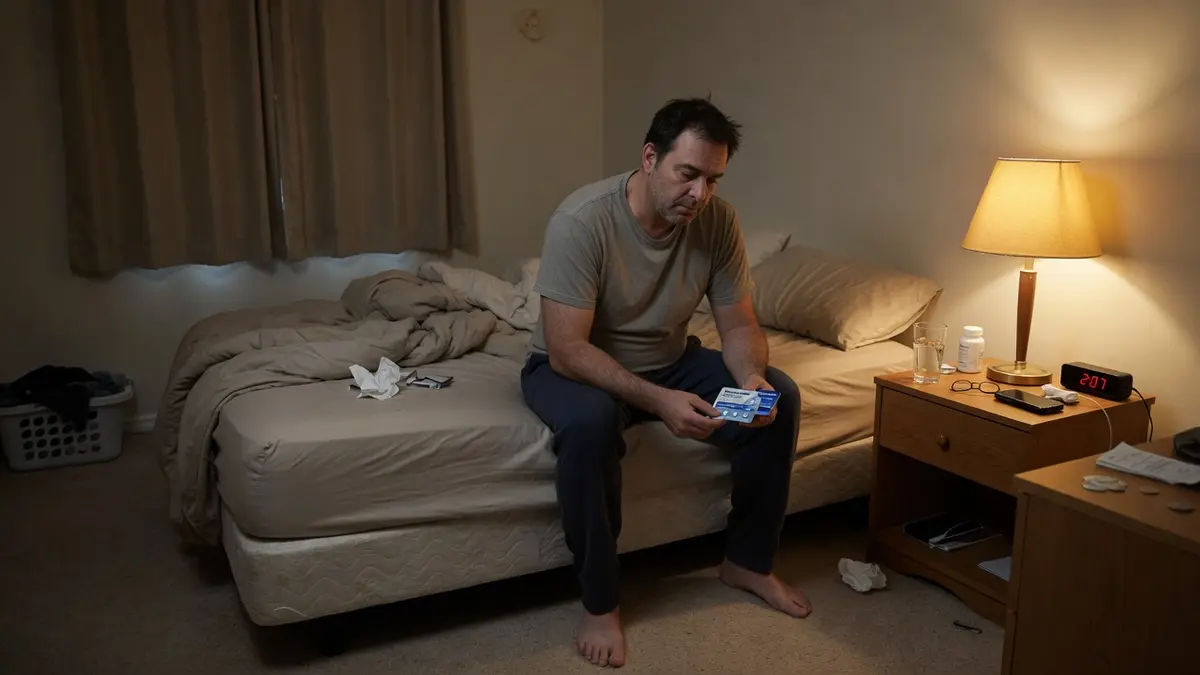

You’re three hours past lunch, you slept fine last night, and yet your eyelids feel like they’re made of lead. You reach for coffee again. Maybe a snack. The afternoon slump comes for everyone now and then, but when it becomes the rule rather than the exception — and when it pairs up with a few other small, easy-to-shrug-off changes — your body may be hinting at something happening underneath.
Blood sugar rarely jumps from normal to diabetic overnight. It tends to drift upward over years, and during that slow climb, the physical signs of high blood sugar before diagnosis are often subtle enough to blame on stress, age, poor sleep, or just a busy life. That’s exactly why they get missed. Understanding what those early signals actually feel like — and why they happen — gives you a real chance to act while the numbers are still nudgeable.
Why rising blood sugar whispers before it shouts
When blood sugar starts creeping up, it’s usually because the body’s cells are becoming less responsive to insulin, the hormone that ushers sugar out of the bloodstream and into cells for energy. This is called insulin resistance. The pancreas compensates by pumping out more insulin, and for a while it keeps things looking normal on paper. But the extra sugar lingering in the blood and the higher insulin levels both start producing physical effects long before a fasting glucose test crosses into prediabetes territory.
Here’s the thing about these early warning signs of prediabetes: individually, none of them screams “blood sugar.” It’s the pattern — several mild symptoms showing up around the same time — that tends to be more telling than any single one.
Fatigue that doesn’t match your sleep
When cells can’t pull in glucose efficiently, they’re essentially short on fuel even when there’s plenty of sugar circulating. The result is a tired, drained feeling that doesn’t track with how much you slept. Some people notice it most after meals heavy in refined carbs — a sharp dip in energy an hour or two later, sometimes called a “sugar crash.” If you feel reliably wiped out after a bagel breakfast but steadier after eggs, that contrast is worth paying attention to.
Being thirsty and peeing more than usual
This is one of the more recognizable symptoms of rising blood sugar, though in its early form it’s mild enough to overlook. When blood sugar climbs past a certain point, the kidneys work to flush the excess out through urine. That pulls water with it, so you urinate more, which leaves you dehydrated, which makes you thirsty — and the cycle continues. People often notice they’re refilling their water bottle more, getting up once or twice at night to use the bathroom, or feeling a dry mouth they didn’t have before.
More Helpful Reads You Might Like:
- Healthy Foods That Still Spike Your Blood Sugar (And Why It Matters)
- Can Diabetes Affect Your Kidneys? Early Signs You Shouldn’t Ignore
- 7 Subtle Signs of Burnout You Might Be Ignoring
The skin and body changes that point to subtle blood sugar problems
Some of the most overlooked clues show up on the skin, and they’re among the more specific subtle signs of blood sugar problems because they’re tied fairly directly to elevated insulin.
Dark, velvety patches on the skin
A condition called acanthosis nigricans causes darkened, slightly thickened, velvety-feeling skin, usually in folds and creases — the back and sides of the neck, the armpits, the groin, sometimes the knuckles. People frequently mistake it for dirt that won’t scrub off. It’s often associated with higher insulin levels driving skin cells to grow faster than usual, and it can appear well before a diagnosis. If you’ve noticed a ring of darker skin around your neck that wasn’t there a couple years ago, that’s worth mentioning to a clinician.
Small skin tags
Skin tags — those soft little flaps of skin that pop up on the neck, eyelids, or underarms — tend to cluster in people with insulin resistance. A few skin tags are common and harmless. A noticeable increase in them, especially alongside other signs, can be part of the same picture.
Cuts and infections that heal slowly
Elevated blood sugar can interfere with circulation and immune function, so minor wounds may take longer to close. Some people also notice more frequent yeast infections, urinary tract infections, or itchy skin, since sugar-rich environments can feed certain organisms. A scrape that lingers for weeks, or recurring infections that never used to happen, can be among the prediabetes symptoms you might miss because they seem unrelated to one another.
Blurry vision that comes and goes
High blood sugar can pull fluid into the lens of the eye, temporarily changing its shape and your focus. The blurriness often fluctuates with your glucose levels and may clear up as things stabilize. It’s easy to blame on screen time or needing new glasses, but vision that shifts day to day deserves a second look.
Cravings, hunger, and the appetite that won’t quit
When cells aren’t getting glucose efficiently, the brain can register a fuel shortage and crank up hunger and carb cravings — even shortly after eating. High insulin levels can also encourage fat storage and make weight, particularly around the midsection, harder to manage. This creates a frustrating loop: you eat, your blood sugar spikes, insulin surges, you crash, and you crave more carbs. Many people describe feeling hungry “all the time” without understanding why.
Tingling or numbness in hands and feet
This one shows up later for most people, but it can appear early in some. Persistently elevated blood sugar can irritate small nerves, producing tingling, pins-and-needles, or numbness, usually starting in the toes or fingers. It’s a sign worth taking seriously and bringing to a doctor promptly rather than waiting to see if it passes.
How to tell if your blood sugar is high enough to test
The honest answer is that you can’t reliably read your own blood sugar from symptoms alone — and you shouldn’t try to. These signs raise a reasonable suspicion; a simple blood test settles it. Clinical guidelines generally point to a few screening options your clinician can order:
- Fasting glucose — a blood sugar measurement after not eating for at least eight hours.
- Hemoglobin A1C — an estimate of your average blood sugar over roughly the past three months, which doesn’t require fasting.
- Oral glucose tolerance test — measures how your body handles a sugary drink over two hours.
Screening is often recommended starting at age 35, or earlier if you carry extra weight, have a family history of type 2 diabetes, had gestational diabetes, have polycystic ovary syndrome, or belong to a higher-risk ethnic group. If any of the signs above resonate, that’s a good enough reason to ask.
When to seek medical care
Most of these symptoms aren’t emergencies — they’re prompts to schedule an appointment, not rush to the ER. That said, get medical attention promptly if you experience excessive thirst combined with frequent urination and unexplained weight loss, persistent nausea or vomiting, confusion, fruity-smelling breath, or rapid breathing. Those can signal blood sugar that’s already significantly elevated and needs urgent evaluation.
For the slower, subtler stuff, the practical move is straightforward: jot down what you’ve noticed and when it started, then bring that list to a primary care visit and ask directly about blood sugar testing. Catching things at the prediabetes stage matters because research suggests that modest lifestyle changes — shifts in eating patterns, regular movement, and even small amounts of weight loss — can meaningfully lower the chance of progressing to type 2 diabetes.
Recognizing the physical signs of high blood sugar before diagnosis isn’t about self-diagnosing or panicking over a single tired afternoon. It’s about noticing the pattern, trusting that your body’s quiet signals are worth investigating, and getting one simple test that can change the trajectory entirely.
Medical Disclaimer: This content is for educational purposes only and does not replace professional medical advice, diagnosis, or treatment. Always consult your physician or a qualified healthcare provider with any questions about a medical condition.
Sources & Further Reading
- NIDDK: Insulin Resistance & Prediabetes
- CDC: Prediabetes – Your Chance to Prevent Type 2 Diabetes
- Mayo Clinic: Prediabetes – Symptoms and Causes
- NIH StatPearls: Prediabetes – Clinical Overview, Diagnosis, and Management
- Mayo Clinic: Acanthosis Nigricans – Symptoms and Causes (Physical Sign of Insulin Resistance)
- PMC / NIH: Prediabetes Diagnosis and Treatment – A Review