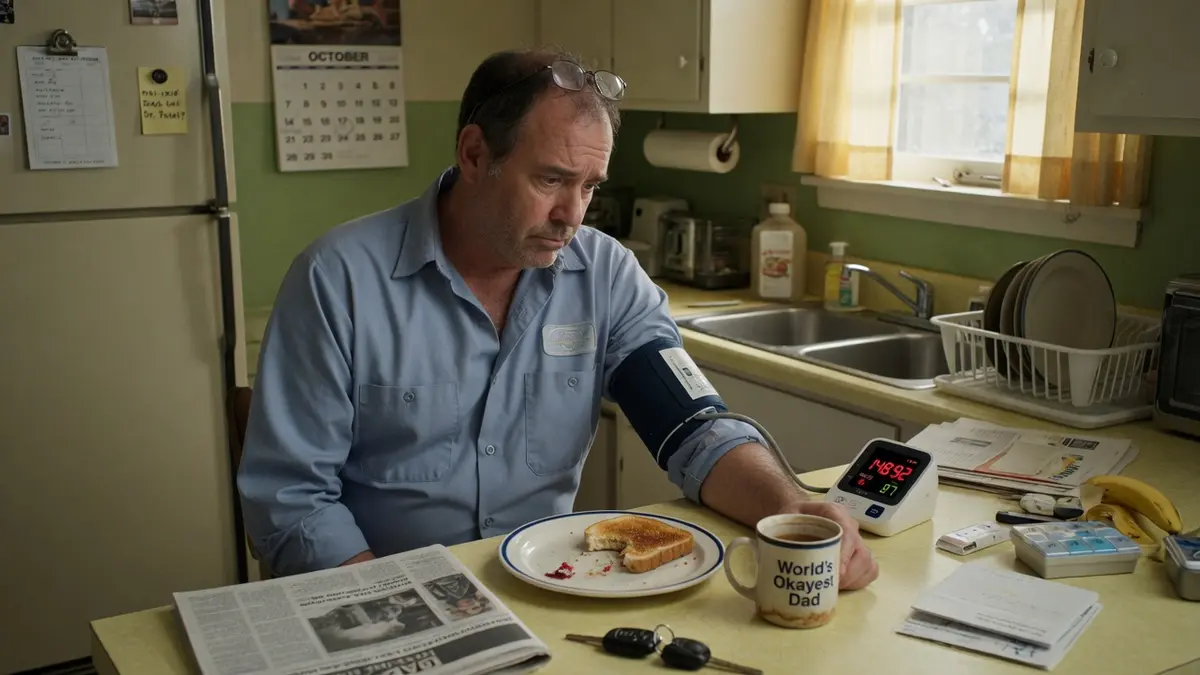

You forget why you walked into the kitchen. A name sits on the tip of your tongue and refuses to come out. Somewhere around your mid-50s, these small moments start to feel less like ordinary distraction and more like a warning. So you start Googling, and within minutes you’re drowning in advice: crossword puzzles, fish oil, blueberries, brain-training apps, coconut oil, ginkgo. Most of it sounds plausible. Very little of it comes with honest information about what’s actually been tested.
Here’s the thing about how to protect your brain as you age: the science is genuinely useful, but it rarely matches the products being marketed to you. A handful of habits have solid evidence behind them. A surprising number of popular interventions have either weak support or none at all. Sorting one from the other saves you money, time, and a fair amount of anxiety.
What the Evidence Actually Supports
The habits with the strongest research backing are, frankly, a little boring. They’re the same things that protect your heart, which makes sense — the brain depends on healthy blood vessels, and what’s good for circulation tends to be good for cognition.
Physical activity is the closest thing to a sure bet
Regular movement has more consistent evidence for supporting cognitive health than nearly anything else you can do. Studies in healthy older adults have repeatedly linked aerobic exercise — walking briskly, cycling, swimming — with better memory and slower cognitive decline. Exercise increases blood flow to the brain and is associated with a larger hippocampus, the region most involved in forming memories.
You don’t need a gym membership or a marathon goal. Clinical guidelines generally point to about 150 minutes of moderate activity per week, which breaks down to roughly 30 minutes, five days a week. Adding some strength training appears to help too. If you’re starting from a mostly sedentary baseline, even modest increases seem to matter.
Managing blood pressure, blood sugar, and cholesterol
This is one of the most underrated lifestyle changes for brain health. High blood pressure in midlife is consistently associated with a higher risk of dementia later on. The same goes for poorly controlled diabetes. Keeping these numbers in a healthy range — through medication when needed, plus diet and movement — may be one of the most powerful protective steps available, precisely because it works quietly in the background for decades.
Sleep that’s actually restorative
During deep sleep, the brain clears out metabolic waste, including proteins linked to Alzheimer’s disease. Chronic short sleep and untreated sleep apnea — a condition where breathing repeatedly stops and starts during the night — are both associated with worse cognitive outcomes. If you snore heavily, wake up unrefreshed, or feel exhausted during the day, a sleep evaluation is worth pursuing. Treating sleep apnea is one of the more concrete things you can do for your memory.
Staying socially and mentally engaged
Social connection shows up again and again in research on what really prevents cognitive decline. People with active social lives and ongoing mental engagement tend to maintain sharper cognition. The mechanism isn’t fully understood, but loneliness and isolation are associated with faster decline. Learning genuinely new and challenging skills — a language, an instrument, a complex hobby — appears more useful than repeating things you already do well.
More Helpful Reads You Might Like:
- 7 Proven Ways to Increase Testosterone Naturally
- Chronic Dehydration Can Mimic Early Brain Fog Symptoms
- 7 Subtle Signs of Burnout You Might Be Ignoring
The Habits That Are Mostly Hype
This is where a lot of money changes hands for very little benefit. None of these are dangerous in normal use, but the marketing tends to outrun the evidence by a wide margin.
- Brain-training apps. They reliably make you better at the specific games you play. The problem is that this improvement rarely transfers to real-world memory or thinking. If a crossword app is fun, keep at it — just don’t expect it to do what a brisk walk does.
- Ginkgo biloba. One of the most studied supplements for memory, and large trials have generally failed to show it prevents cognitive decline or dementia.
- Coconut oil. Despite enthusiastic claims, there’s no solid clinical evidence it protects the brain, and it’s high in saturated fat.
- Most “brain health” supplement blends. The proprietary formulas sold for memory are largely untested as combinations, and the supplement industry isn’t held to the same standards as prescription drugs.
The complicated case of fish oil and vitamins
Here’s where honesty matters. Omega-3 fatty acids and certain B vitamins have biological plausibility and some supportive observational data, but the controlled trials have been mixed and often disappointing in people who already eat reasonably well. If you have a diagnosed deficiency — low B12, for instance — correcting it matters. But taking high-dose supplements as insurance against decline, without a deficiency, isn’t well supported. Eating fish a couple of times a week is a more defensible strategy than buying capsules.
How to Keep Your Mind Sharp as You Age Without Wasting Effort
If you want a practical version of the science-backed ways to protect memory, it comes down to stacking a few high-value habits rather than chasing every new product.
A dietary pattern emphasizing vegetables, fruit, whole grains, legumes, fish, and olive oil — broadly Mediterranean in style — is associated with better cognitive aging. The benefit seems to come from the overall pattern, not any single “superfood.” Blueberries are fine. They are not magic.
Protecting your hearing also belongs on this list, and it surprises people. Untreated hearing loss in midlife and beyond is among the more notable modifiable risk factors associated with dementia. Getting hearing checked, and using aids when recommended, may help by keeping you engaged rather than withdrawn.
Limiting alcohol is reasonable too. Heavy drinking is clearly associated with cognitive harm, and the once-popular idea that moderate drinking protects the brain has weakened considerably in recent research. There’s no need to start drinking for your brain, and cutting back if you drink heavily is sensible.
And don’t smoke. Among habits to prevent dementia, quitting smoking is one of the clearest wins, partly through its effect on blood vessels.
When to Seek Medical Care
Ordinary aging brings some slowing — needing a beat longer to recall a name, occasionally misplacing keys. That’s usually not cause for alarm. Certain patterns, though, deserve a professional evaluation rather than reassurance from a blog.
- Forgetting recently learned information repeatedly, or asking the same questions over and over
- Trouble with familiar tasks like managing finances, following a recipe, or driving a known route
- Getting lost in familiar places
- Noticeable changes in mood, personality, or judgment
- Word-finding problems that interfere with conversation
- Memory concerns that a family member or friend has pointed out
A clinician can check for treatable contributors — thyroid problems, B12 deficiency, depression, medication side effects, and sleep disorders all affect thinking and are reversible. Getting evaluated early gives you the most options, whatever the cause turns out to be.
So How Do You Actually Protect Your Brain as You Age?
The honest answer is that there’s no single pill, app, or food that does the job, and anything marketed that way deserves skepticism. The real protection comes from a handful of unglamorous habits: move your body regularly, keep blood pressure and blood sugar in check, sleep well and treat sleep apnea, stay socially and mentally engaged, protect your hearing, eat mostly plants and fish, and skip the smoking and heavy drinking. None of it is flashy. All of it has earned its place. Pick one or two changes you can actually sustain, and build from there — consistency over years matters far more than perfection in any single week.
Medical Disclaimer: This content is for educational purposes only and does not replace professional medical advice, diagnosis, or treatment. Always consult your physician or a qualified healthcare provider with any questions about a medical condition.
Sources & Further Reading
- National Institute on Aging: Cognitive Health and Older Adults
- National Institute on Aging: How the Aging Brain Affects Thinking
- PMC / NIH: Physical Activity to Counter Age-Related Cognitive Decline — Benefits of Aerobic, Resistance, and Combined Training
- PMC / NIH: Brain Health and Cognition in Older Adults — Roadmap and Milestones towards the Implementation of Preventive Strategies
- Mayo Clinic: Keys to Brain Health as You Age
- The Lancet Commission: Dementia Prevention, Intervention, and Care 2024