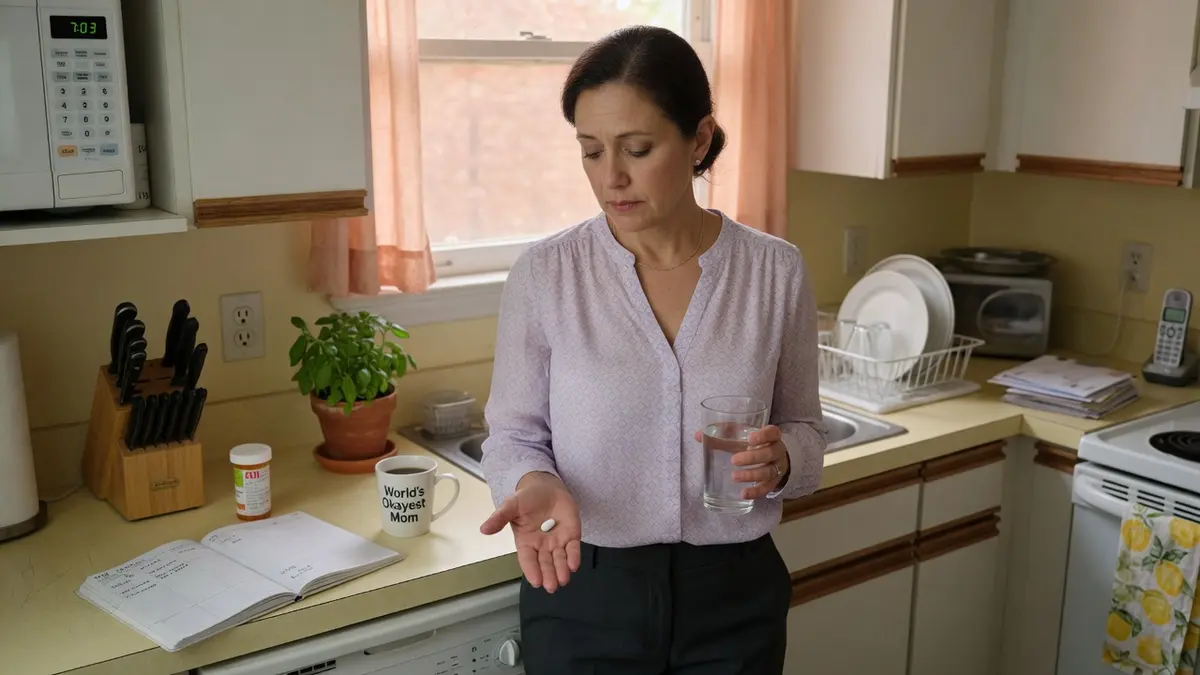

You finish a course of antibiotics, feel completely normal for a few weeks, and then that familiar burning starts again. Maybe it’s the third time this year. Maybe it’s the third time in three months. At some point the frustration shifts from “this is annoying” to “something has to be wrong with me.”
That instinct isn’t wrong. When infections keep returning, there’s usually a reason behind it—and it’s rarely a matter of poor hygiene or doing something obviously careless. The question of why do I keep getting UTIs deserves a real answer, not another reminder to wipe front to back.
What “recurrent” actually means
Doctors define recurrent urinary tract infections as two or more confirmed infections in six months, or three or more in a year. That distinction matters because it changes the conversation. A single UTI is bad luck. A pattern is something worth investigating.
There are two ways UTIs come back. A reinfection is a brand-new infection, often from a different bacteria, that happens to land in the same place. A relapse means the original infection was never fully cleared and flared back up. They look identical from the outside, but they’re handled differently—which is one reason a urine culture (a lab test that identifies the exact bacteria) is so useful when infections keep recurring.
Why bacteria find your bladder in the first place
Female anatomy plays a genuine role here, and it’s not a flaw you did anything to cause. The urethra—the tube that carries urine out of the body—is shorter in women and sits close to both the vagina and the rectum. That short distance gives bacteria, most often E. coli from the digestive tract, a quicker trip to the bladder. It’s simple geography, and it’s why frequent bladder infections are far more common in women than men.
More Helpful Reads You Might Like:
- Signs You’re Not Getting Enough Sleep (Even If You Think You Are)
- Why Do I Cough More at Night? Understanding the Real Causes
- 7 Evidence-Based Zinc Benefits—And Who May Need Supplements
The recurrent UTI causes most people never hear about
The standard advice—drink water, don’t hold it, urinate after sex—is fine as far as it goes. But it stops short of the things that actually drive repeated infections for a lot of women. Here’s what’s often really going on.
Hormonal changes, especially around menopause
Estrogen helps maintain the protective lining and healthy bacterial balance of the vagina and urinary tract. As estrogen drops—during and after menopause, and sometimes while breastfeeding—that protective environment thins out, and the tissue becomes more hospitable to the bacteria that cause infections. This is one of the most common and most overlooked reasons UTIs keep coming back in women over 45. Vaginal estrogen therapy, prescribed by a clinician, has reasonable evidence behind it for reducing recurrences in this group.
A bacterial reservoir that antibiotics don’t fully reach
Research suggests that some E. coli can burrow into the bladder wall and form what amount to dormant colonies. A standard antibiotic course clears the urine but may leave these tucked-away populations behind, which can reemerge later. This is part of why some women feel like they have a chronic UTI in women that never truly resolves rather than a series of separate ones. The science here is still evolving, and it’s an area where the evidence is genuinely mixed.
Your own bacterial makeup
Genetics influence how easily bacteria stick to the cells lining your urinary tract. Some women simply produce cell-surface features that E. coli grip more readily. You can’t change your biology, but knowing it isn’t about something you’re doing wrong can take a surprising amount of guilt off the table.
Sexual activity
Sex mechanically introduces bacteria toward the urethra—this is real, not a myth. Spermicides and diaphragms can make it worse by disrupting normal vaginal bacteria. None of this means sex causes infections directly, but for some women it’s a clear trigger, and that’s worth identifying honestly rather than ignoring.
Incomplete bladder emptying
If urine consistently sits in the bladder instead of fully draining, bacteria have more time to multiply. This can stem from pelvic floor dysfunction, certain neurological conditions, or anatomical issues. Persistent incomplete emptying is one of the reasons a specialist may look beyond the urine sample itself.
The antibiotic cycle itself
Here’s something counterintuitive: frequent antibiotics, while necessary to treat infections, also disturb the protective bacteria in the gut and vagina. That disruption can leave you more vulnerable to the next infection. It’s not a reason to avoid treatment—it’s a reason to make sure each course is actually targeting the right bug, which again comes back to culturing rather than guessing.
What actually helps prevent recurring UTIs
Some of the standard advice holds up. Some of it doesn’t. Here’s where the evidence currently lands.
- Hydration genuinely helps. Studies in women prone to UTIs have found that increasing daily water intake meaningfully reduced recurrences. It’s not a cure, but it’s one of the few free interventions with decent support.
- Vaginal estrogen can be effective for postmenopausal women and is worth asking about specifically.
- D-mannose and cranberry have mixed evidence. Some women benefit; large trials have been underwhelming. They’re low-risk to try, but don’t expect miracles.
- Probiotics aimed at restoring vaginal bacteria are promising but not yet proven enough to rely on alone.
- Preventive antibiotics—either a low daily dose or a single dose after sex—are an option a doctor may offer when infections are frequent and disruptive. They work, but they come with the tradeoff of long-term antibiotic use.
What doesn’t have strong support: most expensive supplements marketed specifically for urinary health, and elaborate hygiene routines. If you’re already doing the basics, adding more rules rarely changes the outcome.
Keep a simple log
Before your next appointment, track when infections happen, what preceded them, and how each was treated. Patterns that aren’t obvious to you often jump out to a clinician—a link to your cycle, to a new birth control method, or to a specific activity. This single habit can shorten the path to a real answer.
When to stop self-managing and see a specialist
Repeated UTIs that keep coming back warrant a closer look, not just another refill. Consider asking for a referral to a urologist or urogynecologist if you’re dealing with any of the following:
- Three or more confirmed infections in a year, or two within six months
- Infections that never seem to fully clear, even with treatment
- Blood in your urine that persists after the infection is treated
- Fever, flank or back pain, nausea, or vomiting—these can signal a kidney infection and need prompt care
- UTIs alongside other symptoms like pelvic pain or changes in urination between infections
A specialist can order a urine culture with sensitivity testing, imaging if needed, and sometimes a look inside the bladder to rule out structural causes. Asking for an actual culture—rather than treatment based on symptoms alone—is one of the most useful things you can do, because it makes sure the antibiotic you’re taking matches the bacteria you actually have.
One safety note worth taking seriously: never save leftover antibiotics to self-treat a suspected UTI later. Using the wrong drug, or the right drug at the wrong dose, is a fast way to breed resistant bacteria and make future infections harder to clear.
Why do I keep getting UTIs, and what to do about it now
The honest answer is that recurring infections usually come down to a combination of anatomy, hormones, bacterial behavior, and sometimes a treatable underlying issue—not anything you’re failing to do. If you’ve been quietly wondering why do UTIs keep coming back despite following every piece of advice you’ve been given, that question is reasonable, and it’s answerable. Bring a symptom log to your next visit, ask specifically for a urine culture, and if you’re near or past menopause, ask whether vaginal estrogen makes sense for you. Those three steps move you from guessing to actually understanding the pattern.
Medical Disclaimer: This content is for educational purposes only and does not replace professional medical advice, diagnosis, or treatment. Always consult your physician or a qualified healthcare provider with any questions about a medical condition.
Sources & Further Reading
- PubMed: Risk Factors for Recurrent Urinary Tract Infections Among Women in a Large Integrated Health Care Organization in the United States
- NIH StatPearls: Recurrent Urinary Tract Infections
- Mayo Clinic: Chronic Bladder Infection – Is There a Cure?
- NIDDK: Bladder Infection (Urinary Tract Infection—UTI) in Adults
- American Urological Association: Recurrent Uncomplicated Urinary Tract Infections in Women – AUA/CUA/SUFU Guideline (2025)
- AAFP: Common Questions About Recurrent Urinary Tract Infections in Women